CBD gummies can also promote better sleep, which is essential for overall health and well-being. CBD gummies have also been shown to alleviate anxiety and depression, which are common comorbidities with chronic pain. CBD gummies have been shown to reduce inflammation, alleviate anxiety and depression, and promote better sleep. The benefits of CBD gummies for pain relief are numerous, with many individuals reporting significant reductions in chronic pain. By understanding how CBD gummies work and the difference between CBD and THC, individuals can make informed decisions about using these products for pain relief. CBD gummies are a popular option for those who want to avoid the "high" effect of THC, but still want to benefit from the pain-relieving properties of cannabis. CBD gummies are infused with cannabidiol, a non-psychoactive compound found in the cannabis plant. However, it's essential to note that CBD gummies may not be suitable for everyone, particularly those with certain medical conditions or taking other medications. Traditional pain medications, such as opioids, can be highly addictive and have severe side effects, including respiratory depression, constipation, and nausea. Many individuals have reported significant reductions in chronic pain after using CBD gummies, making them a popular alternative to traditional pain medications. By interacting with the endocannabinoid system, CBD gummies may help reduce chronic pain, inflammation, and anxiety. The potential of CBD as a revolutionary therapeutic tool is set to be realized via the combined efforts of researchers, doctors, policymakers, and patients, ushering in a new era of optimism and enhanced brain health . These crucial directions have the potential to fundamentally alter the medicinal use of CBD and its life-changing effects on patients. Products containing cannabidiol (CBD) for the treatment of neurological disorders, along with their respective company names, mechanism of action, and adverse effects. While studies unveiled promising outcomes concerning CBD's anxiety-alleviating effects, no indications of psychological or behavioural repercussions linked to CBD were identified across various investigations . These studies encompassed the oral administration of CBD, administered at 10 or 20 mg/kg/day doses, alongside one or multiple antiepileptic drugs (like clobazam, valproate, lamotrigine, and/or levetiracetam), across a 14-week duration. Consequently, several drug regulatory bodies in countries like the United States, Europe, and Australia have approved the utilization of CBD as an adjunctive treatment alongside existing antiepileptic medications . Therapy studies evaluating the clinical response of CBD (cannabidiol) in animals and patients with different neurological conditions. Cannabidiol (CBD), a nonpsychoactive compound derived from the cannabis plant, has gained significant attention in recent years due to its potential therapeutic effects on various neurological disorders.
However, future research is needed to establish optimal dosing (amount and acute versus chronic administration), as well as to assess whether the efficacy of CBD varies based on age (teens /young adults versus adults 42, 43) or symptom severity 41–43 among individuals with anxiety disorders. Current literature on the efficacy of CBD for improving anxiety symptoms among clinical populations is also mixed. However, it is important to note that the timing of drug administration and testing varied substantially across published reports. Additionally, although THC and CBD are the dominant cannabinoids in the cannabis plant and have received the most research attention to date, cannabis contains over 140 pharmacologically active cannabinoids . However, this study did not include any control group, so it is difficult to conclude whether the clinical improvements were attributable to CBD administration. Although this pattern suggests that CBD may attenuate anxiety induced by a social stressor among CHR individuals, the difference between the CBD and placebo groups was not statistically significant. There was a significant effect of group on anxiety, such that CHR individuals in the placebo group reported the greatest anxiety, followed by those in the CBD group, and controls reported the lowest anxiety. Acute CBD administration (90 minutes prior to stress-induction) was found to significantly reduce anxiety in anticipation, during, and following the simulated public speaking task in this population. One randomized, double-blinded, placebo-controlled, crossover trial evaluated the efficacy of 300mg CBD to reduce anxiety induced by a simulated public speaking task among 24 individuals with Parkinson’s disease . Similar to the recent literature on CBD for anxiety disorders, the evidence for the efficacy of CBD for anxiety in substance use disorders is mixed. A second trial examined the efficacy of chronic CBD administration (800mg) for reducing anxiety symptoms, as well as acute anxiety induced by stressful or cocaine-cue-related scenarios among individuals with cocaine use disorder . Finally, 2 randomized, double-blind, placebo-controlled trials examined the efficacy of CBD for reducing anxiety among individuals with cocaine use disorder 47, 48. Collectively, recent data provide very mixed support for the efficacy of CBD among individuals with anxiety disorders. Anxiety was assessed before, during, and after the 8-session treatment course, as well as 3- and 6-months later. However, this study did not include any control condition, so causal inferences regarding CBD administration are limited. Anxiety symptoms decreased significantly across the 3-month treatment period, with 40% of participants showing a 50% symptom reduction.
However, an individual’s unique biochemistry, medical history, and other factors may influence the effects. For example, a study conducted at the University of Arkansas for Medical Sciences and the University of Mississippi found CBD supplements in extremely high doses to be harmful to the gut microbiome. CBD is available in a variety of products, including oils, tinctures, gummies, capsules, and topical creams. Additionally, a separate study is recruiting participants to study CBD as a treatment for PTSD and PTSD comorbid with TBI (261), which has great relevance for those who have experienced military combat. There are currently no known blinded and randomized human clinical trials for CBD's neuroprotective effects in TBI, however, an upcoming phase II clinical trial will investigate the effects of CBD with or without Δ9-THC in patients with TBI (258). Clinical trials of pediatric epilepsies provide insight into the adverse effects that result from months of repeated exposure to high doses (around 10–30 mg/kg/day) (122, 253, 254). One of CBD's promising characteristics for its treatment potential is that it's generally well-tolerated (122, 250, 251). Others have demonstrated the importance of brain 5-HT1A (239) and D1 and D2 dopamine receptors (240, 241), as well as TRPV1 receptors in the spinal cord (162) in promoting these centrally mediated pain-reducing effects. CBD acts both at the site of injury (see discussion above) and centrally to achieve its pain-relieving effects in pre-clinical models. Pre-clinical studies have exposed CBD's potential to suppress BBB permeability through several protective mechanisms (Figure 3). Therefore, the dose-dependency of CBD's effects on neurogenesis may depend on symptom etiology where different CBD targets mediate its effects. In unstressed animals, CBD's pro-neurogenic effects appear to be dose-dependent, with lower doses promoting neurogenesis and higher doses suppressing it (174). CBD's effects on these various neurotransmitter mechanisms and the restoration of the excitatory/inhibitory balance are proposed to improve mood and pain-related symptoms of TBI, and limit long-term damage caused by excitotoxicity and inflammation. Together, CBD effects restoration of the excitatory/inhibitory balance through direct and indirect actions on GABAergic and glutamatergic signaling, which may promote improved cognitive and pain symptoms that result from TBI. Pretreatment may lead to lower mortality rates and improved sensorimotor function (12), but targeting at least some of CBD's mechanisms, like the ECS, within a “window of opportunity” of at least 15 min following the primary injury may also confer substantial neuroprotective benefits (124). It's unclear if a similar inverted-U response will be observed for CBD's neuroprotection against the multitude of secondary injury cascade mechanisms or if treatment efficacy is retained with escalating dosing such is observed with CBD's anti-epileptic effects (120, 122). Effective CBD dosing has proven challenging for other therapeutic purposes such as anxiety (119), deficits in prosocial behavior (120), and cocaine-induced reinstatement (121) that demonstrate inverted-U dose response curves.
The mechanisms by which CBD exerts its effects on the liver are not fully understood and require further study. To minimize potential risks, it is crucial to choose high-quality CBD products and follow recommended dosage guidelines. CBD gummies have been found to have anti-inflammatory and antioxidant properties, which may be beneficial for liver health 3. As the body of research on CBD gummies and liver health continues to grow, it is essential to stay informed and up-to-date on the latest findings. Individuals with pre-existing liver conditions or those taking medications that may interact with CBD should exercise caution when using CBD gummies. The importance of responsible consumption and consultation with healthcare professionals cannot be overstated. On the other hand, a review of the hepatoprotective effects of cannabidiol found that CBD may have antioxidant and anti-inflammatory properties that could help protect the liver from damage 2. Some studies indicate that cannabidiol may protect your liver from fatty liver disease. You should not use CBD if you are pregnant or breastfeeding, taking prescription medications that are metabolized by CYP450 enzymes, or when consuming alcohol or recreational drugs. Many OTC drugs and supplements have a list of side effects that coincide with those of CBD, such as drowsiness, stomach upset, diarrhea, lightheadedness, and mild sedation. You might assume that taking CBD with common over-the-counter drugs and health supplements is safe, but that is not quite accurate. This could cause drug concentration levels to rise to potentially toxic levels. Using CBD in conjunction with PPIs can increase the chances of side effects, such nausea and diarrhea, and possibly cause the drug to be less effective.
Reported average THC and CBD concentration of cannabis was measured by two questions asking “How much THC and/or CBD is in the cannabis that you use most often? TLFB cannabis questions are conceptualized as cannabis history provided that they are a detailed account of the days cannabis was used in the past two weeks, whereas the cannabis frequency measures imply more general cannabis use behavior over time. Recent cannabis use measures were gathered from the Time Line Follow Back (TLFB) measure, modified for online and detailed cannabis specific assessment over the past two weeks (O-TLFB)57. Frequency of smoking flower cannabis was assessed via “How often do you vaporize or smoke cannabis? Frequency of edible use/consumption was assessed via a question “On average, how often do you consume cannabis orally or consume edibles? (please select the level of change you expect)” with one category of responses being “Improved sleep”. Additional psychological and cognitive tasks related to the longitudinal aims of the study were completed during this 2-hour appointment; data collection for these longitudinal outcomes is ongoing and have not been analyzed. Participants were screened for the study by an experienced research assistant over the phone with an approved screening script or through an approved and confidential REDCap online survey. There is evidence that the endocannabinoid system may modulate sleep disorders and circadian rhythm uniquely42,43 as adults age throughout adulthood. Over a third of adults do not get the recommended 7 hours of sleep per night1 and sleeping disorders such as insomnia have symptoms and diagnosis prevalence rates as high as 30% and 5–10% respectively2. Existing data suggest that cannabis use influences food intake which could result in weight gain and eventually obesity. The studies should be focused on individuals who do not smoke tobacco to isolate the effect of CSHS. The effect of cannabis on CV should be extended to adolescence since there is dearth of data in the population. For example, does cannabis administered without smoking affect heart rate, blood pressure, and thrombocyte aggregation measures?
Another critical concern when using CBD gummies is their potential to interact with other medications. While many people view these products as harmless, it is important to remember that cannabidiol (CBD) can be harmful if you take it without knowing how to use it properly. In this article, we discuss some of the worries that some people have about the use and effects of CBD gummies. Some people who take high doses of CBD may experience anxiety or even paranoia. Expert opinions emphasize the importance of understanding the potential side effects of CBD gummies and taking necessary precautions to ensure safe use. CBD gummies can interact with other medications and substances, including prescription drugs, over-the-counter medications, and other supplements. These findings highlight the importance of understanding the potential side effects of CBD gummies and taking necessary precautions to ensure safe use. The increasing popularity of these products has led to a growing concern about their potential side effects. Unlike THC, the psychoactive compound found in cannabis, CBD is non-psychoactive and has been reported to have various health benefits. CBD gummies have gained significant popularity in recent years due to their ease of use and perceived health benefits. Always consult with a healthcare professional if you experience any adverse effe what are hemp gummies? As evidenced by the insights gathered from the 2025 study, CBD gummies can indeed harbor potential drawbacks that users should consider.
Further, patient history revealed that he had consumed two packages of CBD gummies, totaling 370 mg total of CBD (serving size on the package was 30 mg). A comprehensive urine toxicology screen including cannabis was negative. Physical exam showed an obese man in no acute distress with a depressed level of consciousness but who awoke to painful stimuli. A 56-year-old male with no known history of substance abuse and no known prior medical conditions presented via ambulance to the emergency department after being found by coworkers with bizarre behavior, vomiting, and slurred speech. An anxiolytic is a medication or other intervention that reduces anxiety. Dr. Leslie Mudd now serves as the Cornbread Hemp resident pharmacist and medical expert. More evidence is also needed to fully determine if CBD side effects are a significant problem, or something mild and easy to navigate.16 Use of CBD might also directly affect the liver and immune system, so anyone with liver problems, a compromised immune system, or any other health conditions should consult their doctor before using CBD. USDA certified organic CBD oils are the only products guaranteed to be free from harmful contaminants. Looking at all the cannabidiol extracts sold online can be daunting, and we now know that they may contain harmful properties! Side effects of too much THC could cause dry mouth, altered mood and thoughts, changes in appetite, and the sensation of feeling “high.” Exposure to any of these can cause acute illness and long term health issues. Many of these bad CBD products are labeled incorrectly, or are contaminated with dangerous chemicals. Because CBD passes through the same liver pathway as many medications, CBD can affect how the liver metabolizes these medications. That’s why this particular organ is so important when it comes to CBD and how it might interact with prescription medications. The liver plays a key role in drug metabolism by digesting compounds that enter the body through the digestive system. By suppressing this response, CBD could have effects on the immune system.7 If future clinical trials confirm current research and anecdotal reports, then CBD will be shown to have anti-inflammatory effects. The preliminary research tells us that CBD has potential immunosuppressant qualities.
The interaction between CBD gummies and other medications can be complex, and it is not fully understood. And any possible side effects from taking CBD or CBN can occur in both small and large doses. It is also crucial to follow the recommended dosage and to start with a low dose to minimize the risk of side effects. Instead, they can be used in conjunction with other treatments to help alleviate symptoms and promote overall health. Additionally, CBD gummies have anti-inflammatory properties, which can help reduce inflammation and promote overall health. By influencing the endocannabinoid system, CBD gummies can help alleviate anxiety symptoms, such as feelings of nervousness and restlessness. For individuals suffering from anxiety, CBD gummies have been shown to be effective in reducing symptoms of anxiety and promoting relaxation. CBD is known for its therapeutic benefits but can cause mild adverse effects in some individuals. The effects of CBD gummies can vary from person to person, but generally, it can take anywhere from 30 minutes to two hours for them to take effect. While Tranquil Blend CBD Gummies are made with natural ingredients and are generally well tolerated, it’s important to consider potential side effects. In addition to following the recommended dosage, there are several other ways to manage the side effects of CBD gummies. To manage these side effects, it is essential to follow the recommended dosage and to start with a low dose and gradually increase as needed. Articles such as "Potential Side Effects & the Right Dosage of CBD in Elderly" and "Cannabidiol Adverse Effects and Toxicity - PMC - PubMed" provide guidance on managing the side effects of gummies CBD. It is essential to be aware of these potential side effects and to manage them properly. While CBD gummies are generally considered safe, they can cause some side effects, particularly when taken in excess. If you’re using CBD from organically grown hemp (i.Learn more about DELTA-9-TETRAHYDROCANNABINOL (THC) uses, effectiveness, possible side effects, interactions, dosage, user ratings and products that contain DELTA-9-TETRAHYDROCANNABINOL (THC). However, it is essential to understand the potential side effects of CBD and to use it responsibly. To comprehend the side effects of gummies CBD, it is crucial to understand how CBD interacts with the human body. CBD Gummies is a team of health enthusiasts who have come forward to share their knowledge on topics such as health, fitness, sleep, diet, nutrition, and CBD .
In this article, we will discuss the potential side effects of hemp gummies, as well as how to reduce your risk of experiencing them. Some people may experience negative side effects like sleepiness or low blood pressure. Other studies have shown that CBD may reduce some of the most common side effects of alcohol withdrawal — such as insomnia, anxiety, and depression. This study found that low doses of alcohol (1 – 2 standard drinks) had an improvement in the first half of sleep . One study took a deep dive into the effects of alcohol on sleep. CBD could potentially help people with arrhythmia due to its anti-inflammatory properties, and many studies confirm this statement. To sum up, side effects are possible, but they will occur only with extremely high doses if your liver is healthy. What are the side effects of CBD for healthy people? According to one study, cannabis is beneficial for patients with advanced chronic kidney disease (CKD). Besides causing eye redness as one of the most common side effects, people with glaucoma should avoid using CBD products. That said, when CBD was discovered, people were inclined to believe cannabidiol is what makes cannabis such a powerful healer. Users are encouraged to consider these factors carefully and consult with healthcare professionals to make informed decisions about incorporating CBD gummies into their wellness routines. They advise users to be aware of the negative side effects of CBD gummies and recommend starting with a lower dose to gauge the body’s reaction. It is essential for these populations to consult healthcare professionals before starting CBD gummy use to avoid adverse interactions and side effects. When comparing the side effects of CBD gummies with other CBD products, it is observed that the mode of consumption can influence the type and intensity of side effects. Some studies suggest possible concerns regarding the impact of sustained CBD use on liver health and interactions with other medications. The varying potency and formulation of CBD gummies further complicate these concerns, as different products may have different effects.
CBD-rich treatment effectiveness on pain, anxiety, depression symptoms, and on overall wellbeing in 279 patients. The maximum THC dose recorded at FUP1 (90 mg) was prescribed for two patients for the treatment of pain. This study is a retrospective examination of patients who were prescribed CBD-rich products by physicians at a clinic dedicated to CBM treatments operating at four locations across Quebec, Canada. Despite growing evidence and interest, no real-world data (RWD) studies have yet investigated patients’ reports of CBD impact on symptom control in the common expression of pain, anxiety, depression, and poor wellbeing. Whether you’re looking for pain relief, better sleep, or reduced anxiety, CBD might be a helpful tool on your journey to better health. Your healthcare provider can help you weigh potential benefits against risks based on your personal health history. Many older adults find relief from common age-related issues through CBD products, with benefits ranging from pain management to improved sleep. The positive and negative effects of CBD gummies are similar to other CBD products in terms of mental and physical benefits. Sometimes, you may feel the benefits of CBD gummies right away, but for some people, the effects take time to develop, sometimes more than 2 weeks. Although potential adverse interactions with other prescription drugs may occur, these events have been reported primarily in patients taking high doses of CBD. Some studies consider TRPV2 as a potential target for the treatment of human liver cancer patients. Ultimately, if you’re wondering if you can overdose on CBD, know that there doesn’t appear to be a high risk of it; in fact, studies show CBD could actually help people recover from overdoses of drugs like cocaine and opioids. Maybe you’ve considered trying the cannabis compound cannabidiol (better known as CBD) lately as an all-natch way to deal with things like anxiety, insomnia, or chronic pain. This research will likely influence how these compounds are viewed medically, legally, and socially, paving the way for more informed use and potentially new treatments for various health conditions. When it comes to enjoying the benefits of CBD and THC gummies, managing potential side effects is key to a positive experience. While many find them beneficial for specific issues like anxiety, pain, and sleep, others report side effects that can range from mild to significant. These expert insights reflect a consensus that while CBD and THC offer potential therapeutic benefits, their use should be approached with caution, understanding, and under medical supervision to mitigate potential adverse effects. Regardless, the guidance of a qualified medical practitioner or nephrologist can help patients understand how and if cannabis should be added to an existing treatment regimen.
Long-term safety and efficacy of highly purified cannabidiol for treatment refractory epilepsy. Izgelov D, Davidson E, Barasch D, Regev A, Domb AJ, Hoffman A. Pharmacokinetic investigation of synthetic cannabidiol oral formulations in healthy volunteers. Cortopassi J. Warfarin dose adjustment required after cannabidiol initiation and titration. Thrombocytopenia in pediatric patients on concurrent cannabidiol and valproic acid. Effects of short-term cannabidiol treatment on response to social stress in subjects at clinical high risk of developing psychosis.Psychopharmacology (Berl). Cognitive functioning following long-term cannabidiol use in adults with treatment-resistant epilepsy. Evidence of a clinically significant drug-drug interaction between cannabidiol and tacrolimus. A phase 1/2, open-label assessment of the safety, tolerability, and efficacy of transdermal cannabidiol (ZYN002) for the treatment of pediatric fragile X syndrome. Food effect on pharmacokinetics of cannabidiol oral capsules in adult patients with refractory epilepsy. Drug-drug interaction between clobazam and cannabidiol in children with refractory epilepsy. Cannabidiol as a potential treatment for febrile infection-related epilepsy syndrome (FIRES) in the acute and chronic phases. Cannabidiol as a new treatment for drug-resistant epilepsy in tuberous sclerosis complex. Interactions between cannabidiol and commonly used antiepileptic drugs.
Prior to initiating CBD, determine the drug-to-drug interactions with the patient’s current medications, especially medications that depress the central nervous system. Identify preconceived notions of cannabis products and explore expectations the patient may have about CBD and their condition (Highet et al., 2020). Awareness of the influence marketing has on the patient is important when CBD products are directly targeted to the consumer, since the patient’s perception of why they are using CBD for pain may be distorted or over-sold. 1) Consider the role of CBD in the overall pain-treatment plan and interactions with other treatment options. Thus, adverse effects should be considered when patients are using inhaled or orally delivered CBD or THC/CBD. Prior to initiating CBD treatment evaluate hepatic function (e.g., ALT, AST, ALP, and total bilirubin) and monitor these lab tests at intervals of 1 month, 3 months, and 6 months after the initiating dose. Among countries across the globe and between states in the US, laws concerning cannabis and CBD products vary widely (see Table 1) and product labelling is not reliable (Hawes et al., 2020). Additionally, the focus of CBD studies have occurred with healthy volunteers and those with seizure activity or mood disorders with demonstrated safety of oral administration of 300 mg/day up to 1500 mg/day (Zuardi et al., 2010; Trembly & Sherman, 1990; Cunha et al., 1980). Therefore, funding and implementing randomized CBD trials in the older adult population is necessary before CBD is deemed efficacious for pain treatment in the older adult (Fick et al., 2020). Levy et al. (2020) reported fewer than 250 older adults have been included in cannabis studies. The population studied were young healthy adults and not older adults, however, it did highlight the differences in impairment effects of THC/CBD and THC compared with CBD only. In driving-impairment studies, differences were found in the effects from inhaled CBD-dominant, THC-dominant, and THC/CBD equivalents (Arkell et al., 2020). A Cochrane review recommended, based on small to moderate evidence of benefit, to consider THC/CBD as a 3rd or 4th tier treatment in chronic neuropathic pain syndromes, after anticonvulsant agents and antidepressant agents fail (Mücke et al., 2018). Other studies, however, found THC/CBD did not significantly improve pain in rheumatic diseases, nociceptive pain, or peripheral neuropathy (Ueberall et al., 2019; Fitzcharles et al., 2016; Serpell et al., 2014). In some studies, THC/CBD was demonstrated to be effective against pain from cancer, fibromyalgia, neuropathy, and non-specified chronic pain (Capano et al., 2020; Urits et al., 2020; Ueberall et al., 2019; Van de Donk et al., 2019; Portenoy et al., 2012; Johnson et al., 2010). The mixed results of studies like these indicate a need for comprehensive investigations using randomized controlled trials on the safety and efficacy of CBD-only products. For example, two studies examined CBD alone for cancer-related pain and transplant pain, but reductions in pain were inconclusive (Good et al., 2020; Cuñetti et al., 2018). Co-administration of CBD with CYP2C19 inhibitors, such as fluvoxamine, fluoxetine, cimetidine, ketoconazole, fluconazole, efavirenz can increase bioavailability of CBD increasing risk for adverse effects, so a reduction of CBD dose is recommended (Chesney et al., 2020; Winterstein, 2019). However, applying what is known about federally approved products in the U.S. (Epidiolex®) and Canada (Sativix®) can inform drug interactions. Understanding interactions between CBD and conventional medications is challenging due to lack of research regarding drug interactions and variability in labeling the CBD product ingredients.
Fundamental CBD biological activity has been studied mechanistically as well as in clinical studies to evaluate its impact on psychological disorders, neurological disorders, cancers, and gastrointestinal diseases . Comparison of PubMed search results from 2000 to 2022 for the terms “cannabidiol” and “curcumin.” It was not until 2011 that PubMed results first exceeded 100 citations per year for the search term “cannabidiol,” and the volume of articles written on this topic increased to 1008 by 2021 . Among cannabinoids, cannabidiol (CBD) has been more extensively studied, although somewhat limited in scope relative to other phytochemical bioactives (Figure 1). Cannabis has been used for its medicinal properties for centuries , and research on the mechanism of action and physiological effects of specific cannabinoids have been conducted over the past few decades. CBD, therefore, may have therapeutic potential for addressing functional gastrointestinal disorders. Nevertheless, CBD usage as an over-the-counter treatment for gastrointestinal disorders is likely to expand in response to increasing commercial availability, permissive legal status, and acceptance by consumers. Ingestion of CBD is claimed to address several pathologies, including gastrointestinal disorders, although limited evidence has been generated thus far to substantiate many of its health claims. Cannabidiol (CBD) is a non-intoxicating cannabinoid extracted from the cannabis plant that is used for medicinal purposes. We can only ship CBD products with 0% THC to Kansas. Always speak to your doctor about any health concerns you may have. With careful use, many people find CBD to be a beneficial and natural addition to their daily lives. Being mindful of dosage, product quality, and personal health conditions can help minimize any risks. These enzymes are responsible for breaking down many prescription drugs, and CBD can influence their activity. One important consideration when using CBD is how it may interact with medications.
Cannabinoids offer therapeutic potential but require more research to confirm their benefits. Cannabinoids’ effects on kidneys depend heavily on the characteristics of individual substances, as synthetic cannabinoids pose a major threat to the health of users. Additionally, it examines the potential diuretic and anti-inflammatory effects of cannabinoids in preventing kidney stones, suggesting that cannabinoids could reduce crystal retention and lower the risk of stone formation. The effects of cannabinoids on kidney function are examined, emphasizing both their potential to offer nephroprotection and the risks they may pose, such as cannabinoid hyperemesis syndrome and ischemia-reperfusion injury. This narrative review explores the benefits and risks of cannabinoids in kidney health, particularly in individuals with pre-existing renal conditions. Further clinical studies in the patient populations for whom prescribing may be considered are needed to derive a better understanding of these drugs and enhance safe and optimal prescribing. This review provides an insight into the possible and potential interactions of CBD with other classes of commonly used drugs based on the evidence and knowledge currently available. Long-term effects of CBD on alcohol-induced anxiety and impulsivity need further exploration67. Although CBD’s effects on alcohol consumption are poorly understood, CBD is known to act as an agonist of the 5-HT1A receptors and results suggest that CBD can attenuate alcohol consumption and potentially protect against certain harmful effects of alcohol, such as liver and brain damage67. Surprisingly, these effects were not observed in mice with a higher dose of CBD (290 mg/kg CBD with mouse equivalent dose of 25 mg/kg).
In addition to best cbd gummies 2021 using Medterra CBD Sleep Gummies, incorporating lifestyle changes can significantly enhance your sleep quality. Additionally, organic sleeping gummies CBD is noted for what do cbd gummies make u feel like? Understanding these ingredients helps identify how they contribute best cbd gummies 2019 consumer report to an ed cbd gummies for sale improved sleep experience. It is essential to consult with a healthcare professional before using CBD products, especially if you have a history of anxiety disorders or are taking other medications. This includes starting with low doses, monitoring side effects, and consulting with a healthcare professional before using CBD products. Public acceptance of CBD gummies is also expected to continue to grow, as more people become aware of the potential benefits of CBD and the convenience and appeal of gummy products. As the popularity of CBD gummies continues to grow, it is essential to prioritize high-quality products, consult with healthcare providers, and be patient when experiencing the effects of these natural remedies. Individuals should consult with a healthcare professional before using CBD gummies, especially if they are taking prescription medications or have underlying medical conditions. The health benefits of CBD gummies are not limited to pain management and sleep improvement. The Cleveland Clinic advises individuals to consult with a healthcare professional before using CBD products, especially if they have underlying medical conditions or take prescription medications. On the one hand, CBD gummies may offer several health benefits, including reduced pain and inflammation, improved mood, and enhanced sleep quality. In addition to their potential benefits for sleep, CBD gummies may also have a positive effect on anxiety and stress levels. CBD gummies have been shown to have a range of potential benefits, including reduced anxiety and stress, improved sleep, and increased feelings of relaxation.
In rare cases, hemp gummies can also cause more serious side effects such as dizziness, nausea, and vomiting. This will reduce your chances of experiencing a compound effect that could lead to potentially dangerous side effects like lightheadedness or fainting. There are no long-term studies available that explore the effects of CBD and alcohol when used in combination. Animal studies have shown that alcohol and cocaine-addicted rats given CBD had less interest in drug-seeking behavior . Some interesting research is being done around the potential for CBD to help doctors treat patients with alcohol addiction. Animal studies published as recently as 2018 report no changes in blood alcohol levels between the CBD treatment group and placebo control . With that said, we still don’t recommend mixing these two together due to the potential for negative side effects listed above. One study found 72 participants taking 25 – 75 mg of CBD for one month had dramatic improvements in their sleep quality . Some people mix CBD with alcohol on purpose to help negate some of the unwanted side effects of drinking — such as nausea or headaches. CBD (cannabidiol) is the primary active ingredient in cannabis plants. Many people use CBD to help buffer against the negative side effects of alcohol or to nurse the headaches and nausea during a hangover the following morning. The most common side effects are excessive sleepiness or low blood pressure (which can cause dizziness or fainting).
Each of these side effects is considered a short-term side effect — which means it only lasts as long as CBD remains in the body. There are five main side effects you may experience when using CBD — low blood pressure, dry mouth, diarrhea, loss of appetite, and tiredness. With that said, the side effects of CBD tend to be very mild. These undesirable effects are what we refer to as a side effects. CBD has many effects on the human body — which means it’s totally possible that some of these changes will be undesired. In the bureaucratic language of the WHO — this essentially means there’s a lot of evidence to suggest CBD is safe, and that the side effects are mild and manageable. As clinicians, we should be informed and able to provide guidance with the most up to date information for our patients. Acute cannabis usage may cause sedation and impair spatial-visual distortion while acute and long-term cannabis use can impair verbal learning, memory, and attention . Systematic reviews do not reveal any hemodynamic effects of either CBD or THC . Based on existing evidence, cannabis usage alone should not be the sole deciding factor for declining a patient for kidney transplant listing. Although sterilization of cannabis buds can eliminate fungi and may eliminate the risk of fatal opportunistic infections among immunosuppressed individuals 121,124, several toxigenic fungi and bacteria have been detected in cannabis samples 125,126. Among recipients of a kidney from a cannabis user, the rates of acute rejection, graft, and patient survival of the kidney allografts were similar to those from nonusers. Patients with isolated cannabis use had similar overall graft survival compared to nonusers 119▪. Additionally, patients who carry a formal diagnosis of CDOA likely reflect ‘extreme’ users who were not able to hide their use and raised suspicion. Drug screening of potential transplant donors and recipients should consider the prolonged excretion of THC metabolites which may range from a few days in casual users to several weeks to over 1 month with chronic heavy use. There is concern regarding adherence to immunosuppressive medications, the ability to follow instructions, and attendance of follow-up appointments. Cannabis use in potential transplant recipients may have implications for pretransplant screening, such as delayed candidate listing or contributing to ineligibility 113▪, with implications for posttransplant outcomes. Interestingly, a study of routine kidney transplant biopsies revealed significant upregulation of glomerular and tubular CB1 expression in those with chronic allograft dysfunction compared to low levels in normal kidney allografts, suggesting a role for CB1 in allograft fibrosis . CB2 is widely expressed on immune cells and cannabinoids have immunomodulatory effects in animal models of allogeneic transplantation and autoimmune diseases 108–111. Cannabinoid hyperemesis syndrome (CHS) is a rare complication of heavy and frequent cannabis use over many years characterized by intractable vomiting that is relieved with hot showers.
10-20 mg is the most common amount amongst delta 8 THC consumers, who are already familiar with its effects and how their bodies respond to the compound. The breakdown of the possible results per dosage below can help you determine what to expect from your delta 8 THC gummies, depending on the dosage you consume. Delta 8 gummies differ in potencies; some might contain 5 mg of delta 8 per piece, while others feature up to 60 mg. How delta 8 THC gummies affect your body and mind significantly depends on how much you consume the product. How long it takes to start experiencing the effects of delta 8 THC and how long they last in the body depend on the product type and consumption methods. In short, if you are wondering whether delta 8 THC will make you high, then yes, it will, but its effects will be milder compared to delta 9 THC. Delta 8 in lower doses is more energizing and uplifting, while it’s more sedative in higher doses. Although we’ve heard many consumers claiming to be experiencing the same high from delta 8 THC as from delta 9, its effects are notably different. Some claim delta 8 THC makes them fall asleep more quickly and sleep through the night. The interaction with CB2 receptors doesn’t cause psychoactive effects, but rather noticeable outcomes on your body. The new famous variant of THC works with your mind and body, and when you feel less anxious and more clear-headed, it’s much easier to notice some of the effects of delta 8 THC. The primary difference between the effects of the two variants of THC is that delta 8 has lower about 50% less psychoactive potency, which results in a smoother ‘high.’ It differs from delta 8 with its chemical structure; therefore, it produces different effects. Now that you’re about to try your first delta 8 THC gummy, you probably want to know what effects it will produce besides providing you with a flavorful bite. Now that delta 8 gummies are everywhere, you may wonder how they’ll make you feel. Additional research is needed to address optimal dosing and sex differences in CBD’s anxiolytic effects, as well as to assess whether age, symptom severity, or patient population moderates these effects. This has important implications given CBD’s bell-shaped response curve, which has been observed in both clinical 33, 38 and pre-clinical 17, 31 studies. Inconsistent results have also been reported regarding the efficacy of CBD for reducing anxiety symptoms among individuals with substance use disorders.
This may make a low dosage of the drug to be a very high dosage. Because the enzymes are restricted, the drug would enter the liver and flow at higher levels because it is not being removed from the body. CBD has been found to affect the same medications that have restrictions on grapefruit because it interacts with the same enzymes of the body that grapefruit does. Therefore beware of using CBD oil or any CBD products if you have any type of liver issues. As recently stated in the FDA meeting and hearing of CBD, liver issues have been found through multiple different studies and formal pieces of issues. However, people that have noticed headaches after using hemp CBD oil is most likely caused by the brand of oil used, the base oil of the tincture, solvents, or overall bad ingredients. We suggest using a higher dosage of CBD, and if CBD benefits still do not occur, the brand product you are using may not be high quality. It has been reported that this usually happens the first or second night people take CBD oils. On top of that, a few people experience more dark and nightmarish dreams. By putting you in a deeper sleep dreams can seem more vivid.
The most common adverse effects are mild and moderate, and serious adverse effects are rare and have been only reported in epilepsy studies, with concomitant use of CBD with antiepileptic drugs. As new research emerges, it may become evident that there is a range of CBD doses at which clinically relevant adverse effects and drug interactions are likely to occur . The three studies reporting severe seizures were in the context of patients diagnosed with epilepsy, and it is not simple to differentiate the worsening of the baseline pathology (epilepsy) from an adverse effect of the treatment. Since cannabidiol is typically added to existing medicine treatments, interactions can occur between CBD and other co-administered medications. The previous review reported data from 18 RCTs published between 1980 and early 2020, involving 1127 subjects from clinical samples and healthy volunteers, with daily CBD treatment at doses ranging from 20 to 1500 mg/day and a duration ranging from one to 18 weeks. Serious adverse effects of cannabidiol were reported in only three studies, all on epilepsy 11,15,16. However, it can potentially interact with other drugs and its use should be monitored, especially at the beginning of treatment. While one person may experience no side-effects and all the benefits of awesome CBD gummies, the next person may have no reaction at all, or only experience the side-effects. In summary, even though CBD gummies can offer potential therapeutic benefits, being aware of the accompanying risks cannot be overstated . Starting with a low dose, keeping a journal to track one’s responses, and remaining communicative with healthcare providers can significantly assist in navigating these waters .
Most THC gummies side effects are mild and temporary. Sticking to low doses and gradual increases helps you enjoy THC gummies safely. Final thoughts on the topic of CBD gummies pro and con emphasize the importance of continued research and education, as well as the need for high-quality products and proper usage. Reading and writing reviews can help you make informed decisions and avoid potential pitfalls when using CBD gummies. A useful guide to know the pros and cons of consuming CBD gummies can help you make informed decisions and avoid potential pitfalls. Some CBD gummies products have received negative reviews due to low-quality ingredients, poor manufacturing processes, or inaccurate labeling. According to Healthline, CBD gummies may interact with certain medications, such as blood thinners, and may not be suitable for everyone. User reviews and expert opinions can help inform purchasing decisions and provide a better understanding of the benefits and drawbacks of CBD gummies. Rejuvenate CBD Gummies 300MG is another example of a product that offers a specific dosage and potential benefits. For example, Serenity Garden CBD Gummies and Venus CBD Gummies are two popular products that offer a range of benefits and flavors. Expert opinions and user reviews play a significant role in evaluating CBD gummies, as they provide valuable insights into the effectiveness and safety of these products. CBD gummies have gained significant popularity in recent years, and it's essential to consider both the advantages and disadvantages of these products. In this context, in one of the trials included in this review, CBD at a dose of 100 mg (taken twice a day) rendered a significant increase in the plasma level of gastric inhibitory polypeptide while reducing the levels of plasma resistin in a population of patients with type 2 diabetes. More studies assessing anthropometric changes in CBD users are needed to establish such a potential correlation. However, as the randomization process seemed to be adequate in these studies, with no significantly different baseline characteristics between intervention groups, we can still assume the eventual effects to be CBD-dependent. One of the main concerns is the fact that in many of the trials included in this review, CBD was used as an add-on therapy to other medications, namely antiepileptic drugs, in populations with very rare forms of epilepsies (Dravet syndrome and Lennox–Gastaut syndrome).
Cannabis edibles are food or drink items made with cannabis or cannabis oils. The federal government amended the Cannabis Act on October 17, 2019 to allow the legal sale of cannabis edibles. If you are unsure about whether you are allergic to CBD or any of the ingredients in CBD gummies, consider conducting a patch test by applying a small amount of the product to a small area of skin and monitoring for any adverse reactions before consuming it orally. CBD can inhibit the activity of enzymes in the liver, which may affect how medications are metabolized in the body. If you are prone to digestive issues, start with a low dosage of CBD gummies and pay attention to how your body reacts . These side effects are typically mild and temporary, but they can be uncomfortable and disruptive to daily activities. To combat dry mouth while taking CBD gummies, be sure to stay hydrated by drinking plenty of water throughout the day . If you experience persistent drowsiness after taking CBD gummies, it may be a sign that you are taking too much . It’s important to start with a low dosage of CBD gummies and gradually increase until you find the right amount that works for you without causing excessive drowsiness. You While CBD is known for its calming effects, consuming too much can lead to an excessive feeling of tiredness . The regulations surrounding CBD gummies are evolving and vary by country and state. Potential long-term effects of CBD gummy use are not well understood and require further research. The absorption and bioavailability of CBD gummies can vary depending on factors such as the individual's metabolism and the quality of the product. The manufacturing process of CBD gummies involves extracting CBD from the plant, then mixing it with other ingredients to create a gummy bear-like product. Increasing awareness and fostering informed conversations around CBD can empower individuals to make educated decisions regarding their emotional health moving forward.
If you have any concerns or questions about laws, regulations, or your health, you should always consult with an attorney, physician or other licensed professional. The nephrologistʼs guide to cannabis and cannabinoids. Tam J. The emerging role of the endocannabinoid system in the pathogenesis and treatment of kidney diseases. CBD also may interact with some medications. Feelings of tiredness and sleepiness are most common and generally aren’t cause for concern (and may even be the reason you’re taking CBD). CBD is generally considered a safe substance to use when accurately dosed. Topicals provide localized relief, making them ideal for muscle soreness but not so great for anxiety or – in this case – kidney problems. Due to its multiple patient-reported benefits, some manufacturers have started making a CBD version of RSO, though it’s not as common as the high-THC variety. You should feel the effects within a few minutes. Wait at least 2 hours before taking another dose, and consider limiting total CBD intake to 40 mg per day to start. That’s why it’s important to space out your doses. You can test how you feel with that dose and take a second dose as needed. Begin with a lower-concentration product or try for between 10 mg and 20 mg of CBD per dose when starting out. In general, it’s best to start with a dose that might seem too low and slowly work your way up. If your physician gives you the go-ahead, they can recommend a method of consumption and starting dose.
If you use CBD every day, it's pretty likely that you won't have as much chronic pain or pain throughout your body, which makes CBD a viable natural alternative to pain relievers for many people. As Rahul Khare, an emergency medical physician and founder of Innovative Express Care, told HuffPost, "CBD won't completely take the pain away like a morphine would, but it may decrease it to a point where it makes the pain more tolerable." Of course, that isn't to say that ingesting CBD in oil, gummies, or even muscle rubs will immediately take your pain away. One of the most common reasons why people start to use CBD is to manage their pain. While CBD does contain quite a few health benefits, that doesn't mean it's going to cure all your ailments. Although both products can significantly improve your daily life with consistent use, they won’t relieve pain or cure any disease overnight. Both hemp gummies and CBD gummies are valuable products worth incorporating into your daily routine regardless of your age. CBD gummies are mostly found in cannabis dispensaries, vape stores, head shops, pharmacies, and online stores. This isn’t to say that hemp gummies won’t help you reduce anxiety and inflammation in the body. Are you looking for the health benefits of omega-3 fatty acids and vitamins from hemp seed oil? Some of these pathways are responsible for CBD gummies’ versatility in managing stress and easing anxiety disorders. Melatonin is a sleep-inducing hormone, which is why you can find many CBD gummies infused with it (6). One way CBD gummies may help with pain is by reducing inflammation. This system controls such functions as sleep, memory, mood, pain perception, stress response, immune function, body temperature, appetite, and more (1). That being said, our ancient ancestors didn’t have access to some of the fancier products you can buy these days in hemp stores, such as hemp gummies and CBD gummies. It has taken the world by the storm since researchers discovered the health benefits of hemp-derived CBD. Since the side-effects are nominal for most patients, taking a daily CBD supplement may prove beneficial. But 26.8% of people had reported sleep quality declined. Cannabidiol may help people with chronic insomnia improve their sleep quality.
Previous studies of CBD in animal models of Parkinson's disease have shown that it may have neuroprotective and antioxidant properties . It is important to consult the original studies for a more comprehensive understanding of the research conducted on each neurological disorder. Please note that this table is for illustrative purposes only, and the specific details and outcomes of each study may vary. Summary of some of the study title, study design, and findings on CBD in specific neurological disorders. Particularly noteworthy was the decrease of 53% to 61% in seizure occurrences within 48 weeks of the treatment regimen. The results revealed that the application of an average dose of 27 mg/kg/day resulted in a significant decrease in seizures, varying between 54% and 68%. Following this, the investigation was broadened to include this specific group of patients. In addition, two open-label studies showed that oral administration of 20–30 mg/kg daily CBD for 156 weeks reduced seizures by 45-84%. Epilepsy is a condition where individuals frequently require anticonvulsant medications to manage seizures. It has been examined for its potential to treat brain problems and has been shown to have antiepileptic, analgesic, neuroprotective, antidepressant, anxiolytic, antipsychotic, and sedative properties as well . Animal and human research was carried out to assess the therapeutic potentials of CBD in various illnesses since CBD may interact with a variety of CNS targets.
According to a systematic review published in the journal "The Impact of Cannabidiol on Human Brain Function," CBD has been shown to have a positive effect on anxiety and stress levels, but more research is needed to fully understand its long-term effects. While CBD gummies are generally considered safe, there is still limited research on their long-term effects. CBD gummies work by interacting with the body's endocannabinoid system, which is responsible for regulating a range of functions, including mood, appetite, and sleep. CBD gummies are a type of edible that contains CBD, a non-psychoactive compound found in the cannabis plant. CBD can also affect a variety of medications, including pain medications, antidepressants, antipsychotics and more. The FDA has approved three cannabis-related products to help alleviate these symptoms, as well as help increase the appetite for those who have AIDS. Still, he cautions, there’s a lot left to be studied, including whether there are significant adverse long-term effects of CBD when used for pain relief. “All of our different anti-pain drugs affect some section of our pain system, whether it’s Tylenol®, Aspirin®, morphine or opioids,” explains Dr. Terpeluk. In one four-week trial, people who had nerve damage in the lower half of their body reported a significant reduction of intense, sharp pain after using a topical CBD oil. By interacting with neurotransmitters in your central nervous system, CBD could potentially relieve pain related to inflammation, arthritis and nerve damage (peripheral neuropathy). By further studying CBD’s effects in these specific areas, we may better understand how CBD impacts a variety of conditions and disorders. Plus, Dr. Terpeluk explains the market has been oversaturated with CBD products — from bath bombs to gummies, lotions, creams, tinctures and oil — none of which are Food and Drug Administration (FDA) approved and may not be 100% pure CBD. CBD, or cannabidiol, is just one of more than 100 chemical compounds found in the cannabis sativa plant. These days, many of us could certainly go for a miracle cure-all, especially those of us who struggle with chronic pain, overwhelming anxiety, cancer-related symptoms and/or hard-to-treat neurological disorders. American Marijuana doesn’t offer medical advice and the content accessed on this site is not intended for medical advice, diagnosis, or treatments, and has not been evaluated by the FDA. When compared with these medications, CBD is notably more safe and carries fewer serious side effects. When CBD is used for pain, it’s useful to compare the side effects with those of traditional painkillers. There are a number of studies on the safety and side effects of CBD, and it is generally considered to be safe and well-tolerated. When using CBD topically, like in a cream or lotion, some users may experience side effects from other ingredients in these products. However, CBD products don’t contain just CBD – there may be side effects caused by other ingredients in your CBD products.
No correlation was found between CBD dose and plasma cortisol levels. Importantly, fentanyl coadministration did not produce respiratory depression or cardiovascular complications during the test sessions and CBD did not potentiate fentanyl's effects. No effect was evident for urinary CBD and metabolite excretion except at the higher fentanyl dose, in which CBD clearance was reduced. The results of the evaluation of pharmacokinetics, to see if interaction between the drugs occurred, were as follows. This extensive tool tests, for example, 78 adverse effects divided into 23 categories corresponding to organ systems or body parts. Adverse effects and safety were evaluated with both forms of the Systematic Assessment for Treatment Emergent Events (SAFTEE). A study, where a regimen of 6×100 mg CBD daily was coadministered with hexobarbital in 10 subjects, found that CBD increased the bioavailability and elimination half-time of the latter. The antibiotic rifampicin induces CYP3A4, leading to reduced CBD peak plasma concentrations.14 In contrast, the CYP3A4 inhibitor ketoconazole, an antifungal drug, almost doubles CBD peak plasma concentration. Gov.49 In the following chapter, we highlight recent, acute clinical studies with CBD. Fasinu et al. created a table with an overview of clinical studies currently underway, registered in Clinical Trials. Static beam performance, as an indicator of sensorimotor coordination, showed more footslips in the CBD group, but CBD treatment did not interfere with the animals' speed and ability to complete the test. The 2012 study with an epilepsy mouse model could also show that CBD did not influence grip strength, which the study describes as a “putative test for functional neurotoxicity.”48 In addition, treatment increased adiponectin and liver glycogen concentrations.44 and references therein For instance, in ob/ob mice (an animal model of obesity), 4-week treatment with 3 mg/kg (route of administration was not mentioned) increased the HDL-C concentration by 55% and reduced total cholesterol levels by more than 25%. The positive effects of CBD on hyperglycemia seem to be mainly mediated via CBD anti-inflammatory and antioxidant effects. Another study used xenografts to study the proapoptotic effect of CBD, this time in LNCaP prostate carcinoma cells.36 In this 5-week study, 100 mg/kg CBD was administered daily i.p. An in vitro study could show that the development of two-cell embryos was not arrested at CBD concentrations of 6.4, 32, and 160 nM.35
Understanding CBD’s effects on the brain is crucial for several reasons. This surge in popularity has been fueled by anecdotal evidence, promising research findings, and a general shift towards more holistic approaches to health and wellness. This crucial difference has paved the way for CBD’s widespread acceptance and integration into various wellness products, from oils and tinctures to edibles and topical creams. Cannabidiol, or CBD, has taken the world by storm, captivating the attention of scientists, medical professionals, and the general public alike. Community advisory boards for studies have been influential in setting effective recruitment procedures that can also be used for CBD research (Manning & Bouchard, 2021). Future research is likely to reveal further that CBD is a relatively safe alternative to opioids and other analgesic agents for pain management in older adults. CBD has minimal psychoactive effects and therefore may be preferred in the older adult. More research would inform our understanding of CBD and its action and effects in the older adult population. Determine if other medications may become toxic when used concurrently with CBD. Effectiveness in pain management for older adults requires repeated evaluation. Counsel the patient on the lack of uniformity of product content, as this may impact their response and adverse effects. Patients can be instructed to take CBD with meals for improved bioavailability and a stable dose response. Determine when patients are taking CBD with respect to meals, since food may impact CBD levels depending on the route of admission. If quality of life is decreased, or first- and second-tier medication options have been ineffective, clinicians could consider CBD for pain management (Croker et al., 2021). Clinicians have a crucial role as a resource to patients who want information about using CBD, whether it is prescribed or not (see Table 1). Furthermore, many studies demonstrated an increase in appetite only when ingesting a combination of THC/CBD not CBD alone, suggesting THC not CBD might increase the appetite (Ueberall et al., 2019; Brunt & van Genugten et al., 2014; Wan et al., 2017). CBD, THC/CBD compounds, and administering oral and inhaled routes were investigated for adverse effects. Studies have shown Epidiolex® can cause dose-related hepatic injury (Greenwich Biosciences, Inc., 2018).
Transient receptor potential vanilloid 1(TRPV1), transient receptor potential ankyrin 1(TRPA1), and transient receptor potential melastatin 8(TRPM8) increase glucose utilization and prevent lipid accumulation and insulin resistance in the liver . All these data indicate that CBD is a promising agent for the treatment of liver disease. This is substantiated by preclinical studies that have confirmed the existence of antioxidant, neuroprotective, cardioprotective, anxiolytic, and anti-inflammatory properties 3,4,5. Cannabidiol (CBD) is one of the cannabinoids that possesses substantial therapeutic potential among numerous non-psychoactive compounds. Viral hepatitis is the predominant cause of most cases of acute hepatitis, but drug-induced liver injury is increasingly contributing to the overall cases. It exhibits the potential to prevent or slow the progression of various diseases, ranging from malignant tumors and viral infections to neurodegenerative disorders and ischemic diseases. Current drug safety, 6(4), 237–249. As such, the information contained in this post should not be construed as medical or legal advice. Readers should note that the regulations and data surrounding marijuana, CBD, and other related products are still developing. But even though CBD oil that only contains CBD will not get you high, taking more that a therapeutic dose will likely just make you want to take a nap. If you’re looking for a CBD product, she recommends finding a trustworthy brand that publishes lab test results of its products, and doing your research; sites like CBD Oil Review can help you assess different brands. Dr. Vergnaud notes that aside from Epidiolex, no CBD products have been FDA-approved, and non-regulated products might contain all kinds of nasties, like pesticides and heavy metals. CBD comes in a variety of delivery methods, including gummies, drops, sprays, applicators, vaporizers, softgels, and more. It's also important to note that just because it's unlikely that you can consume enough CBD oil to endanger your health, taking too much CBD could still make you feel weird as heck. CBD doesn’t contain any THC, the active ingredient in cannabis that gets you high. “Studies have found that CBD causes few side effects,” Dr. Vergnaud says. But scientists aren't yet 100% conclusive on CBD's effects — and it's important to educate yourself before getting started. With the 2018 Hemp Act, part of the 2018 Farm Bill, signed Dec. 20, 2018, all products derived from industrially farmed hemp grown in the U.S. became legal in all 50 states, ending a more than 80-year ban of large-scale hemp farming in this country. In order for CBD to be toxic to your system, you would have to ingest almost 20,000 mg of CBD oil in less than a day, according to a 2011 study published in the journal Current Drug Safety. Those gummies are definitely not candy.
Why choose gummies over other CBD forms like oils or capsules? It’s a natural alternative to over-the-counter painkillers, with fewer risks. This means faster relief, whether you’re tackling pain or calming your mind. The gummies also feature a sublingual delivery system, allowing the CBD to absorb quickly under the tongue. This synergy, known as the entourage effect, enhances the gummies’ effectiveness compared to CBD isolates. This method preserves the full spectrum of cannabinoids—compounds like CBD, CBC, and CBG—that work together to maximize benefits. Among the myriad of CBD-infused products available, Global Health Farms CBD Gummies have emerged as a popular choice. Many people use CBD to relieve stress because the compound decreases your body’s stress response by lowering your heart rate and blood pressure. If you experience this side effect, take a smaller serving of the gummies or use it in moderation. You may experience an appetite increase or decrease and a following shift in weight when using CBD gummies frequently. Although rare, CBD gummies may make one feel lightheaded and dizzy. When taking CBD gummies, there is always the likelihood that one may feel sick or even uncomfortable. Some side effects, like nausea and vomiting, may bring about many intestinal issues. This may usher in diarrhea, especially if you are new to gummies. Like CBD oil, CBD gummies are taken orally and can hook to receptors in your digestive system. CBD gummies are known to have a calming effect on the mind. These side effects generally last from a few hours to a few days. In this article, we will discuss the negative side effects. As we learn more, our goal is to update you with the information you need to make informed choices about CBD products.
However, that’s likely a side effect from the other ingredients in those products, not the CBD itself. Based on the aforementioned list of possible CBD side effects, the answer is yes. Possible side effects of using CBD include weight loss, decreased appetite, dry mouth, vomiting, drowsiness, and constipation. So, overall, it seems that the effects of using CBD are positive. Some customers use CBD to help address chronic pain like joint or back pain. In general, people who use CBD report feeling relaxed and peaceful. As mentioned previously, CBD doesn’t cause any psychoactive effects. The simple answer is that they want to experience the effects of using CBD. With CBD gummies, you just choose how many gummies to consume and easily know how much CBD you’re consuming. Then, when you want to use CBD gummies, all you need to do is open the package and snack on one (or more) of the gummies. If you want to be private about your CBD use, CBD gummies make that incredibly easy. You can easily snack on some CBD gummies wherever you are without anyone having any idea that you’re using CBD. CBD gummies are also hugely popular because of how discrete they are. CBD gummies easily conceal the natural earthy flavor of hemp.

Others may add THC analogs with less psychoactive effects, such as Delta-8 THC to their routine, or buy and consume hemp-derived CBD products for different goals. THC is famous for its psychoactive effects, while hemp-derived CBD products, unlike THC, don’t cause mind-altering symptoms. Ioana uses her passion for psychology, research, and mental health to create reliable resources on various topics relating to addiction and treatment. Although its cousin CBD does not produce psychoactive effects, large quantities of CBN or combinations with other drugs might lead to a mild sensation of “high.” The two substances also differ in terms of potential therapeutic benefits. Conversely, CBN is considered non-intoxicating but might have mild psychoactive effects in large quantities or in combination with other drugs. Secondly, CBN interacts with the body’s endocannabinoid system (ECS), which regulates several physiological and cognitive processes, including pain, mood, and sleep. Additionally, CBN has the potential to reduce inflammation in the body and, therefore, support people’s immune systems. Therefore, CBN gummies and other products may trigger a feeling of drowsiness and relaxation. For example, tetrahydrocannabinol (THC), the primary substance in marijuana, generate more intense psychoactive effects than cannabidiol (CBD) and cannabinol (CBN) edibles. CBN gummies, a form of edible made from a phytocannabinoid in the hemp plant, are starting to be commercialized for their pain relief and anti-inflammatory properties. Made from pure hemp, they help promote relaxation, better sleep, and relief from minor pain.
There are a couple of CBD-containing products that have been approved as drugs for specific applications. As laws around cannabis and its derivatives loosen, interest grows and health claims bloom. The SQDC is the Quebec-government-owned corporation responsible for selling recreational cannabis to the people. Remember to always prioritize your health and well-being, and to seek medical attention if you experience any severe or persistent digestive issues. By being informed and cautious, you can make the most of CBD gummies and minimize the risk of adverse effects. Further research is needed to fully understand the effects of CBD on the digestive system and to develop effective treatments for constipation and other digestive disorders. The current evidence suggests that CBD gummies can have both positive and negative effects on the digestive system, and individual results may vary. It is essential to separate fact from fiction when it comes to the effects of CBD gummies on constipation. According to one user, "I started taking CBD gummies to help with anxiety, but I noticed that my bowel movements became more regular, and I experienced less inflammation in my gut." According to Dr. Jane Smith, a leading expert in CBD research, "CBD gummies can be a useful tool for regulating bowel movements and reducing inflammation in the gut. However, individual results may vary, and some people may experience constipation or other digestive issues." Experts in the field of CBD research have varying opinions on the effects of CBD gummies on constipation. Taking high doses of CBD may increase the risk of constipation, while taking low doses may have minimal effects. The dosage of CBD gummies can also play a significant role in determining their effects on constipation. The effects of CBD gummies on constipation can be influenced by several factors, including the ingredients used in the gummies, the dosage, and individual tolerance. The effects of CBD gummies on constipation are not well understood and require further research. Cannabidiol, commonly referred to as CBD, has gained significant attention in recent years due to its potential therapeutic benefits. A well-crafted selection of CBD-infused treats, made from high-quality ingredients and third-party tested for purity, like some Zendoz products, offers a reliable way to explore the benefits of cannabinoids. Many people turn to THC gummies for their unique blend of cannabinoids, offering a balance between relaxation and overall well-being.
Furthermore, depending upon where you live, you may need a medical marijuana card (MMJ) to obtain CBD. Most medical experts agree that, in some instances, CBD is far more gentle on seniors than artificially manufactured pharmaceuticals. There is still more research to be done on the side effects of CBD in elderly communities. In this article, we are sharing some useful tips about safety concerns as well as CBD side effects elderly citizens should know about. If you’re hoping to reduce inflammation and relieve muscle and joint pain, a topical CBD-infused oil, lotion or cream — or even a bath bomb — may be the best option. So you cannot be sure that the product you buy has active ingredients at the dose listed on the label. Many nonprescription drugs, such as acetaminophen (Tylenol), have this same effect. People taking high doses of CBD may show abnormalities in liver-related blood tests. CBD can increase the level of blood thinning and other medicines in your blood by competing for the liver enzymes that break down these drugs. Side effects of CBD could include nausea, fatigue, and irritability. Epidiolex, which primarily consists of CBD, is the first cannabis-derived medicine approved by the FDA for these conditions. In numerous studies, CBD was able to reduce the number of seizures, and, in some cases, stop them altogether. In essence, this means that CBD is legal if it comes from hemp, but not if it comes from cannabis (marijuana) — even though it is the exact same molecule. While CBD is an essential component of medical marijuana, it is derived directly from the hemp plant, a cousin of marijuana, or manufactured in a laboratory. These practices can enhance sleep quality and work synergistically with any supplements you may be taking. Incorporate other sleep hygiene practices, such as maintaining a regular sleep schedule, creating a comfortable sleep environment, and avoiding caffeine and screens before bedtime. Select CBD products from reputable companies that provide third-party lab testing results. Relying solely on CBD may delay proper diagnosis and treatment. Using CBD for sleep may provide symptomatic relief but can mask underlying issues that need to be addressed.
While medicinal and retail cannabis products are similar, regulations may vary between the two marketplaces. Unlike medications approved through a formal data-driven process by the US Food and Drug Administration (FDA), medicinal cannabis dosage is not specified. Marijuana (or cannabis) is the most commonly used illicit drug in the United States, with 9.5 percent of adults and 23.7 percent of youth reporting use within the past year 2015 (Hasin et al., 2015; Johnston, O’Malley, Miech, Bachman, & Schulenberg, 2016). Consumers often do not understand this aspect of edible use and may consume a greater than intended amount of drug before the drug has taken effect, often resulting in profoundly adverse effects. The most prominent difference between ingestion and inhalation of cannabis extracts is the delayed onset of drug effect with ingestion. Food products containing cannabis extract (edibles) have emerged as a popular and lucrative facet of the legalized market for both recreational and medicinal cannabis. Nova Recovery Center is a trusted drug and alcohol rehab facility offering personalized treatment programs across the United States. If you’re suffering from the effects of marijuana addiction or withdrawal, the addiction treatment experts at Nova Recovery Center are here to help. The medications can make the effects of the THC more severe or the edibles can interfere with the medication’s efficacy.7 Long-term cannabis use has especially been shown to have adverse effects in teens. Smoking marijuana is still the most common way the drug is used, but many people who consume edibles are unaware of the risks. Before you consume any cannabis-infused food products, you should carefully consider the risks. Like any other drug, marijuana edibles can cause short-term and long-term side effects.
Even doses as high as 1,500 mg administered daily didn’t lead to any dangerous adverse reactions in studies on the safety and efficacy of cannabidiol. A similar pattern applies to taking CBD gummies to support healthy sleep. Broad-spectrum CBD gummies are better for people who want to benefit from some of the entourage effects but are tested for THC at work. Considering the anti-stress properties of CBD, it’s no wonder many people are using it to support healthy sleep cycles and speed up regeneration. Here you’ll find more about the most popular health benefits of CBD gummies. On top of that, CBD has over 65 molecular targets, hence the long list of potential health benefits. For beginners, CBD gummies are cannabis edibles infused with cannabidiol, a non-psychoactive molecule found in hemp. Online hospital charge lists can give you clarity for your healthcare costs, but like our medical care – we want to personalize it to you. According to a review published in the Journal of Clinical Biochemistry and Nutrition, CBD gummies may have a range of benefits for liver health, including reducing inflammation and improving liver function. According to a review published in the Journal of Clinical Pharmacology, CBD gummies may have a range of interactions with other medications, including THC-containing products. According to a review published on Healthline, users who have taken CBD gummies for liver health have reported a range of benefits, including improved liver function, reduced inflammation, and improved overall health. While these findings are promising, more research is needed to fully understand the effects of CBD gummies on liver and kidney health. While these findings are concerning, it is essential to note that more research is needed to fully understand the potential risks of CBD gummies on liver health. According to Healthline, CBD gummies may interact with other medications, including blood thinners, and may cause side effects such as fatigue, diarrhea, and changes in appetite. A study published in the Observed Impact of Long-Term Consumption of Oral Cannabidiol on Liver Health also found that CBD may have adverse effects on liver health. For example, a study published in the Journal of Pharmacology and Experimental Therapeutics found that long-term consumption of oral CBD may have adverse effects on liver health. While these findings are promising, more research is needed to fully understand the effects of CBD gummies on liver health. While data shows there are some benefits of using CBD in certain medically approved settings, for now, the scientific evidence just isn’t there for using CBD to help with anxiety, concludes Dr. Streem. You can find CBD on shelves in many stores, with various brands promoting benefits that range from alleviating pain to aiding sleep. In the future, clinical trials should focus more on using pure CBD extract to treat chronic pain to attain evidence to properly recommend CBD in the health insurance sector so that patients may benefit to the full extent.
Most people know that use of CBD doesn’t get you “high,” but they still might not know that they can have other reactions from CBD. But that’s not the only thing that people wonder about. The Hemp Doctor offers full spectrum products (containing less than .3% THC) as well as broad spectrum products (containing zero THC)That Are Made In The USA Excluding Vape Hardware. Additionally, our products are third-party lab tested, and we provide lab reports to prove the quality of the products you purchase. Every step we take in creating our products meets the highest possible standards. At the Hemp Doctor, we offer only top-grade Delta-8 THC and CBD products that you can trust. If you’re ready to buy only unparalleled hemp products, contact us today! However, not all products are created equally, and not all compounds come from high-quality hemp. CBD and Delta-8 THC products are now everywhere, with so many retailers having options for anyone’s needs. To experience the entourage effect and its benefits, look at broad-spectrum and full-spectrum options on the market.
Factors such as dosage, individual tolerance, and the quality of the CBD used in the gummies can all impact the risk of constipation. In summary, the relationship between CBD gummies and constipation is complex and multifaceted. Starting with low doses and gradually increasing as needed can help to reduce the risk of digestive issues. Regular exercise, such as walking or jogging, can stimulate bowel movements and improve overall digestive health. To minimize the risk of constipation when taking CBD gummies, individuals can employ several strategies. These factors include high doses of CBD, individual sensitivity, and the presence of certain ingredients. Research findings and comments from specialists highlight the need for more studies on the topic. Additionally, individual factors, such as diet and lifestyle, can also impact the risk of constipation when taking CBD gummies. Additives or other ingredients in CBD gummies may also influence the likelihood of constipation. The quality of the CBD used in the gummies is another important consideration, as low-quality CBD may contain impurities that could affect digestion. However, more research is needed to fully understand the relationship between CBD gummies and constipation. Research on the topic has yielded mixed results, with some studies suggesting a link between CBD consumption and changes in bowel movements. CBD interacts with the endocannabinoid system, which plays a crucial role in regulating various bodily functions, including digestion and gut health. The basics of CBD and its use in gummies involve the extraction of CBD from hemp plants, which is then mixed with other ingredients to create a consumable product. We are department managers, bookkeepers and businesspeople who work behind the scenes to keep the wheels turning and the lights burning. The cannabis industry, state markets and consumer demand have exploded, and viable cannabis companies are moving at light speed to secure licenses, deliver product and capture market share. The legalization of cannabis has been tantamount to The Big Bang. The exploding cannabis marketplace presents almost unlimited opportunities and promises incredible returns.
Some people may experience side effects at lower doses, while others might tolerate higher doses without issues. These effects are typically mild but can be significant, especially for individuals using CBD gummies for specific health purposes, including weight management. Understanding these effects is crucial for anyone considering CBD gummies as part of their health regimen, particularly in the context of weight management and overall wellness. For example, California requires laboratory testing for medical and recreational cannabis and cannabis products while other states, for example, Arizona, do not mandate any laboratory testing 97, 98. In Naftali’s study, CBD at 10 mg per day dose was shown ineffective in the treatment of Chron’s disease . Preclinical studies have proposed hat CBD might be useful in the treatment of chronic pain conditions . Two studies by Nicholson and Zuadi et al showed that a CBD dose of 160 mg/day to increase sleep time in persons suffering insomnia as well as decrease nightly arousals while a lower dose again showed increased wakefulness 79, 80. In rats, studies have shown that high doses of CBD lead to increased total percentage of sleep. Furthermore, a study by Das et al including 48 healthy volunteers was evaluated for anxiety provoking electric shock anticipation and received either pure CBD without THC or placebo. The patients in this clinical study were treatment naive and with 10 participants the study was small . A placebo-controlled study by Crippa et al showed a decrease in social anxiety symptoms but also sedation in a small group of 10 patients receiving CBD. The aggressive marketing of these products paired with the lack of regulation and quality control has the potential to cause a significant negative impact on public health. The patient's lack of substance abuse history and unintentional overdose should raise concern for physicians as more people are consuming such products.
Pathological states might also modify action of administered cannabinoids, e.g., depressor response to THC is stronger in hypertensive than in normotensive patients . Thus, proportions of THC and CBD might be essential for protective influence of CBD on cardiovascular effects caused by THC. However, pretreatment with CBD (25 mg/kg) reduced magnitude and duration of THC-induced bradycardia . However, in most cases, CBD does not affect HR in vivo, which indicates (similarly to blood vessels) that peripheral effects might be masked by central influences. An increase in heart rate was also demonstrated in some human and animal studies (Table 2) 52,99,102. Studies on isolated hearts, atria or single cardiomyocytes (Table 3) indicate a direct negative inotropic effect of cannabidiol 52,108,109. This is surprising observation given the many studies demonstrating antioxidant properties of CBD . Cannabidiol also exerts positive effects on vascular smooth muscle cells (Table 3) which aberrant proliferation and migration are linked to the development and progression of cancer and cardiovascular diseases. Thus, oral CBD at dose of 90 mg did not influence BP, HR and CBF, however the same dose of CBD encapsulated as TurboCBDTM (patented capsule formulation increasing CBD bioavailability) decreased DBP and MBP and increased CBF . The influence of CBD on cardiovascular system in humans might depend not only on a dose and duration of administration , but also on the delivery method of CBD. Conversely, no tolerance for hypotensive effect of CBD was observed after its chronic oral dosing rising from 100 to 600 mg/day over 6 weeks in patients with dystonic movement disorders . In humans, CBD slightly increased (at dose of 40 mg, but not 20 mg, given sublingually) or decreased resting BP (600 mg, p.o.) after acute dosing 97,99, but not after repeated dosing (600 mg for 7 days, p.o.) . The complex mechanism of action of cannabidiol makes it possible to have multidirectional influence on the cardiovascular system. The search for relevant studies investigating the effect of CBD on cardiovascular system under physiological conditions was performed via electronic searches of three databases (PubMed, Cochrane Library and EBSCO) from their inception to March 2020. These effects result from direct activation of CB1, TRPV1, PPARs and the putative endothelial cannabinoid receptors. Stimulation of central CB1 receptors causes an increase in blood pressure, whereas peripheral CB1 receptors located presynaptically at the endings of pre- and/or postganglionic sympathetic neurons innervating the heart and vascular resistance are responsible for hypotensive effects of cannabinoids. Thus, the influence on the activity/expression of CYP isoenzymes results in the possibility of CBD interaction with other concomitantly used drugs 67,69. The pharmacological activity of phase I metabolites is different, e.g., 7-hydroxy-cannabidiol (7-OH-CBD) like CBD inhibits FAAH and AEA uptake, whereas 7-COOH-CBD does not show such activity; both 7-OH-CBD and 7-COOH-CBD are not TRPV1 agonists. About 40 different phase I metabolites have been identified in humans and the main ones are 7-carboxy-cannabidiol (7-COOH-CBD) derivatives.
Many studies in our systematic review were excluded from the meta-analysis because they did not report adverse events systematically or had not been peer-reviewed. Publication bias is also unlikely to have inflated summary ORs, as our target outcomes were not the primary outcome measure, nor the desired outcomes for the studies we examined. The overall quality of studies included was high and it is unlikely that a significant amount of bias was introduced. Strengths of the present study include its pre-registered protocol, comprehensive systematic search strategy, and its timeliness as the first meta-analysis of the safety and tolerability of CBD across all indications. Dronabinol, a synthetic form of THC, and a partial agonist at CB receptors, has been used as a treatment for anorexia and cachexia in HIV and cancer 38, 39. Increased N-desmethylclobazam levels could also account for the increased odds of pneumonia in epileptic patients taking CBD, as this increases the risk of sedation, respiratory depression and aspiration . To our knowledge, this is the first systematic review and meta-analysis of the adverse effects and tolerability of CBD across all indications. Ten studies were rated as having a low risk of bias 2–4, 17–23, one was rated as having an unclear risk of bias , and two studies were rated as having a high risk, due to selective outcome reporting 25, 26. However, pneumonia was only reported in studies of children with epilepsy. This reflected 14 cases of pneumonia recorded as a serious adverse event in patients treated with CBD, compared with only 1 in placebo arms. At high doses (1400–3000 mg) 12.9% (35/272) of participants withdrew, compared with 8.8% (14/160) at medium doses (600–1000 mg), and only 4.3% (2/46) at low doses (20–400 mg), a similar rate to placebo (3.5% 12/344).
While CBD isn’t going to treat any of the underlying causes of alcohol-induced headaches, it can help take the edge off and manage pain. CBD oil that contains small amounts of THC offers the greatest level of benefits towards alcohol-induced nausea. A good full-spectrum CBD oil should contain trace amounts of THC without having any psychoactive side effects. There are some benefits to mixing CBD oil with alcohol as well — such as alleviating alcohol-induced nausea or headaches. When alcohol and CBD are combined, the effects compound — causing an even greater reduction in blood pressure levels. This interaction can also be a bad thing if you’re out having a few drinks with friends and want to avoid falling asleep too early. This may be a good thing for those looking to improve their sleep. When we mix CBD with alcohol or other relaxants, they may compound each other’s effects and have a much stronger relaxing impact on the body. Causing too much relaxation can lead to side effects like sedation or fatigue. However, the combination can sometimes lead to negative side effects in certain individuals. In this article, we’ll explain what happens in your body when you mix CBD with alcohol, what dangers it may pose to your health, and what the research says about it. CBD is everywhere these days — from the classic CBD oils and gummies to newer versions like CBD shots and chewing gums. At the same time, if your body develops reverse tolerance, you’ll need smaller doses of CBD. However, when it comes to dosage, consult with your doctor, especially if you’re taking other medications.
Confused about the laws surrounding CBD gummies? Looking for a reputable source to buy CBD gummies? CBD gummies are legal in most states, but federal and state laws regarding CBD gummies are complex. Some CBD gummy brands claim to offer benefits for male enhancement, but is there any scientific evidence to support these claims? Sugar-free CBD gummies are also a popular option for those with dietary restrictions. When it comes to purchasing CBD gummies, it's essential to choose a reputable source. Cannabinoid receptors, such as CB1 and CB2, interact with CBD to produce therapeutic effects. The endocannabinoid system (ECS) plays a crucial role in regulating various physiological processes, including pain, mood, and appetite. Water-soluble hemp oil containing CBD doesn’t have any additional side effects over regular CBD oil. However, it can amplify or reduce the effectiveness of many drugs, which is why it’s imperative to consult your doctor before using it if you’re taking any prescription. CBD oil doesn’t have any severe side effects. CBD hemp oil can cause minor side effects, including tiredness, drowsiness, diarrhea, dry mouth, low blood pressure, and changes in appetite or weight. He’s also written third-party lab test reports of CBD products and knows the industry inside and out. He’s read thousands of studies about cannabinoids and other beneficial natural compounds, helping him translate complex science into plain language. Gleb Oleinik is a freelance CBD & cannabis writer from Vancouver, Canada. For the average healthy person, there isn’t much to worry about when you use CBD, especially in combination with a healthy diet, lifestyle, and exercise regimen. CBD can also interact with medications by inhibiting P-glycoprotein.
Your brain and body get used to the chemicals in cannabis or other drugs. Vandrey says people with PTSD often say they have fewer nightmares when they use cannabis. There’s some evidence that nabilone -- another human-made form of cannabis -- might help ease sleep problems related to posttraumatic stress disorder (PTSD). But when it comes to cannabis research on sleep, “the body of literature is pretty small.” Sexton sees some real-world benefits from THC products. She says those who use THC to ease pain often report longer sleep time. Ryan Vandrey, PhD, professor of psychiatry and behavioral sciences at Johns Hopkins University in Baltimoe, looks at how cannabis use affects sleep. Research results on cannabis and sleep are mixed. Still, they should not replace other treatments like therapy, lifestyle changes, or prescribed medications. CBD gummies can be a part of an anxiety management plan. The onset of effects can take anywhere from 30 minutes to a few hours, as gummies need to be digested. Start with a low dose (e.g., 10-25mg) and gradually increase until you find the optimal amount that provides relief without side effects.
CBD is a chemical compound found in cannabis plants that offers potential health benefits without causing a “high”. While CBD gummies are popular for their ease of use and potential health benefits, users should be aware of the common adverse reactions they might encounter. While they are often celebrated for their potential benefits, it’s equally important to be aware of the potential negative side effects of CBD gummies. Other people suggested CBD to be useful in the treatment of cancer pain but studies supporting this statement are yet to be done . Also, another study by Ben showed that CBD was ineffective at 40 mg per day dose in the treatment of chronic neuropathic pain. Another study by Bergamaschi among 24 treatment naive patients looked at the effect of 600 mg CBD during a public speaking test and noticed a reduction in anxiety, cognitive impairment as well as discomfort in speech performance . CBD has surged in popularity recently, being marketed in oils, capsules, and candies as a health supplement, claiming to treat a wide variety of medical conditions such as glaucoma, pain, and even having beneficial effects on cancer prevention. He had legally purchased cannabidiol (CBD) gummies marketed for pain and anxiety relief at a gas station several hours prior. For instance, the study mentioned above, where 23 children with Dravet syndrome were treated, increases as well as decreases in appetite and weight were observed as side effects.2 An open-label trial with 214 patients suffering from treatment-resistant epilepsy showed decreased appetite in 32 cases. It is important to speak with a healthcare provider before using CBD gummies, particularly if you are taking any medications. It is important to speak with a healthcare provider before using CBD gummies if you are taking any medications. Opt for gummies that provide clear labeling, including the amount of cbd gummies dosage for cancer CBD per gummy and the presence of any harmful additives. Are there specific populations that need to cbd sleep gummies for kids be cautious with CBD gummies? Also, be mindful of your body’s responses, especially if cbd oil help sleep you have a history of falls or other health concerns. Effects of CBD gummies include dry mouth, fatigue, and changes 5mg thc cbd gummy in appetite. Common side what are the ingredients in cbd gummies? By choosing high-quality products and remaining informed about their effects, consumers can enjoy the benefits of CBD gummies while mitigating risks. Look for products that have been third-party tested, ensuring they contain cbd living gummies uses the advertised amount of CBD without harmful contaminants. Understanding how CBD might impair physical abilities is crucial for cbd gummies on shark tank for copd safe use. Recognizing the cbd gummies for stopping smoking signs of overconsumption can help prevent unpleasant experiences.
"Our results show CBD could help the medical community safely meet this need." Many people have found therapy, medication, and lifestyle adjustments to be helpful in treating their depression. Depression is "the single largest contributor to global disability," according to the World Health Organization, and, in 2015, it was estimated that 300 million people were suffering from depression. Although you shouldn't look to, CBD to get rid of your anxiety, it can help manage it. If you use CBD every day, you'll likely find that you are less anxious, which can be seriously important for the 40 million adults who struggle with anxiety in the United States, according to Anxiety and Depression Association of America. That alone can make it hard to decide which product to use, but add in the purported benefits of CBD, and it gets even more confusing. "While delta-9-tetrahydrocannabinol (THC) is the major active ingredient in marijuana, cannabidiol is also obtained from hemp, which contains only very small amounts of THC," NLM explained. CBD is short for cannabidiol and, according to the National Library of Medicine (NLM), it's "a chemical in the Cannabis sativa plant, also known as marijuana or hemp." But CBD is different than marijuana. There is so much information out there about CBD products that it can be hard to know what's true and what's not. We’d love to know your thoughts on hemp gummies vs CBD gummies — share them in the comments below! Think of them as versatile tools rather than a quick fix to your health problems. Remember to watch out for companies selling hemp gummies disguised as CBD gummies. Most reputable brands have their own websites where you can take advantage of discounts, bulk pricing, and reward programs to save money on high-quality products. If you’re looking for CBD gummies, we recommend buying right from the manufacturer. If it says “hemp gummies” or “hemp extract” instead of “CBD gummies,” you’re probably looking at the wrong product. Many companies use this fact to their advantage, selling gummies with hemp seed oil disguised as CBD gummies. They can, but they use different ingredients to achieve it — not to mention that they may need more time to work than CBD gummies. If you’re looking for a dietary supplement, hemp gummies are a better fit. Still not sure whether you should choose hemp gummies or CBD gummies? Hemp seeds, on the other hand, are a superfood that can be processed into a wide range of products, from protein powder to flour to hemp seed oil.
Despite their appearance, cannabis edibles — sweet treats like gummies and chocolate bars infused with tetrahydrocannabinol (THC), the primary psychoactive component of marijuana — can be By considering these key factors, individuals can make informed decisions about the use of CBD gummies for pain relief and ensure safe and effective use. In conclusion, CBD gummies offer a promising alternative for pain relief, with many individuals reporting significant reductions in chronic pain. In contrast, CBD gummies are generally considered safe and well-tolerated, with few reported side effects. Unlike tetrahydrocannabinol (THC), CBD does not produce a "high" effect, making it an attractive option for those seeking pain relief without the psychoactive effects. The use of CBD gummies for pain relief has become increasingly popular, with many individuals seeking alternative methods to manage chronic pain. This review summarizes the use of CBD in different neurological disorders and explains the potential of CBD as an effective therapeutic agent as mentioned in different studies included in this review. Amid extensive study, CBD, a nonpsychoactive component of cannabis, has come to light, especially in the field of neurology. Large-scale studies, precise formulation, molecular explanation, synergy investigation, and regulatory lobbying are the cornerstones of the coordinated effort to uncover its therapeutic potential. Enhancing therapeutic results may be possible by examining CBD's compatibility and enhancement potential in combination with current treatments. Optimized doses that are catered to each person's demands provide therapeutic accuracy while reducing any possible negative effects. Additionally, the limited understanding of CBD's mechanisms of action and potential drug interactions necessitates further investigation . While CBD is generally considered safe, it is essential to understand its safety profile and potential side effects . Cannabidiol (CBD) has gained significant attention in recent years for its potential therapeutic effects in various neurological disorders. Young adults with anxiety who did not respond to conventional treatments, such as cognitive behavioural therapy and/or pharmaceuticals, were the subjects of a new open-label trial. Nabiximols, a THC and CBD combination, were employed as an agonist substitution treatment in cannabis withdrawal nonetheless. On the contrary, the minor dose of CBD administered orally did not result in any changes in depressive-related behaviours, potentially due to its restricted oral bioavailability. The findings indicated that significant reductions in immobility time, akin to the effects of an antidepressant, were achieved through the administration of high-dose oral CBD and low-dose intravenous (IV) CBD.
With a particular interest in paediatric care and orthopaedics, Dr Hussain has developed specialised skills in these areas, showcasing a dedication to improving patient outcomes across diverse age groups and medical conditions. Dr Hussain graduated from the University of Plymouth in June 2013 with a Bachelor of Medicine and Bachelor of Surgery (BMBS), marking the start of a distinguished medical career. Her interests include interventional therapies for chronic pain and cannabinoid therapies for managing chronic pain conditions. She has a special interest in women's health, and holds the Diploma of the Royal College of Obstetricians and Gynaecologists (DRCOG) qualification. Dr Sumita Raja has worked in general practice for over 10 years, and enjoys focusing on holistic care for her patients. Dr Bennett brings a wealth of expertise in musculoskeletal medicine, mental health, and the wide range of conditions encountered in General Practice. Building on this foundation, he transitioned into General Practice and now serves patients across the Yorkshire region. Dr Nick Bennett, a 2008 graduate of Hull York Medical School, has forged an impressive medical career, beginning as a surgical trainee with a focus on Orthopaedics and later specialising in Plastic Surgery. He joined Releaf in November 2024 as a Consultant Psychiatrist, bringing with him extensive expertise in assessing and treating a wide range of mental health conditions. Dr Imran Ali graduated from the University of Glasgow in 1998 and has been dedicated to the field of mental health since 2000. His expertise extends to managing movement disorders, complex headaches, and pain syndromes, showcasing his commitment to enhancing patient outcomes through innovative care strategies and evidence-based practice Dr Ahmed plays a key role in helping Releaf meet its broader goals of expanding safe access to cannabis-based therapies, improving patient education, and advancing evidence-based applications of cannabinoid medicine. She completed her medical degree at the University of Newcastle upon Tyne in 1989, gaining full GMC registration in 1990. With a strong background in general medical practice, Dr. Calf provides comprehensive care across all aspects of family medicine. He provides expert care across a wide range of medical conditions, combining clinical excellence with a commitment to high-quality patient care within the NHS. He combines a strong academic and clinical background to support safe, effective treatments and delivers high-quality patient care within the NHS. With extensive experience in anaesthesia, Dr. Thekkekunnel provides expert care in perioperative medicine, pain management, and critical care. Over the course of his career, Dr Hussain has developed extensive experience managing a wide range of complex medical conditions, with a strong focus on kidney-related diseases and broader internal medicine practice.
CBD products are often made from hemp, which is a legal type of cannabis in all 50 states. As long as you take lab-tested CBD gummies, you don’t have to worry about your lung health. The side effects of CBD are benign and almost non-existent in normal doses, so don’t be afraid of dangerous reactions. CBD also helps regulate the REM sleep stage and improve its functioning in patients with Parkinson’s disease (6). But when you eat more gummies in the evening, they can help you enter the first stage of sleep faster by slowing down your breath and eliminating racing thoughts. However, higher doses are known to induce sleepiness by reducing blood pressure and calming down the nervous system (5). CBD gummies may help if you suffer from hyperalgesia (oversensitivity to pain) (3). Another benefit of taking CBD gummies for pain is their ability to mitigate pain signaling to the brain. However, you may not feel the benefits of CBD gummies right away. In this article, you’ll learn everything there is to know about the science-backed benefits of CBD gummies. CBD products are flooding the market, and CBD gummies are among the most popular options. After reading this article, you’ll learn how to use CBD gummies to maximize their positive effects and ensure maximum safety. Avoid using cannabis for two weeks before getting medicine that puts you in a sleeplike state before surgery. Research in people who have schizophrenia suggests that cannabis use may raise the risk of losing touch with reality, also called psychosis.
CBD is all the rage in the health and wellness world today, but there’s still a lot we don’t know about it. Do your homework on your potential vendors; check what kind of hemp they use, what extraction methods they employ, and what kind of laboratory testing they run. CBD gummies are definitely a fun way to replace oils and capsules in your routine. As such, they can’t manipulate the reviews any longer, so what you can read online reflects how the brand treats its products and customers. Companies offering CBD gummies can send samples of their product to a third-party laboratory for analysis. The best CBD gummies contain an all-natural gummy base and natural colorings and flavorings (from fruits and extracts). Many hemp companies advertise their CBD gummies as organic, while the only organic ingredient in the formula is CBD. You can find gummies containing 5, 10, 25, 40, and 50 mg of CBD per piece. The best strength is delivering the desired daily dose of CBD while making your supplementation cost-effective in the long run. As mentioned, CBD gummies are sold in different concentrations. The best CBD gummies are sourced from organically grown hemp. At Gold Bee, we strive to create a community of health-conscious CBD users who can spot scammers and distinguish them from reputable vendors. On the one hand, the CBD market has matured over the last three years and come up with an unofficial framework for the quality standards of CBD products. A medical professional, preferably one experienced in CBD use, should help you establish the right dosage and find a way to avoid negative interactions. If you take any medication, consult your doctor before buying CBD gummies. Just make sure that your CBD gummies are tested for THC content in a third-party laboratory. That’s because CBD is non-intoxicating, and hemp-derived CBD gummies don’t contain enough THC to induce a high. No, even the strongest CBD gummies out there won’t get you high.
Look for products that have been certified by organizations such as the USDA or the National Science Foundation. Reputable manufacturers will have their products tested by third-party labs to ensure they meet certain standards of quality and purity. If you are sensitive to THC or prefer to avoid it altogether, look for products that have been certified as THC-free or contain less than 0.3% THC. THC, or tetrahydrocannabinol, is the psychoactive compound found in cannabis plants. For example, if you are looking for a product to help with pain management, you may want to choose a gummy with a higher CBD concentration. It is essential to choose a product that contains a sufficient amount of CBD to achieve the desired effects. CBD gummies can vary significantly in terms of their CBD content, ranging from a few milligrams to several hundred milligrams per serving. In this section, we will provide guidance on what to look for when choosing CBD gummies, including CBD concentration, THC levels, and product certification. With the growing popularity of CBD products, the market has become saturated with various options, making it challenging to choose the right one. When it comes to selecting high-quality CBD gummies, there are several factors to consider. By sharing their personal stories, individuals can help others make informed decisions about whether CBD gummies are right for them. I'm glad I consulted with him first, as it helped me avoid any potential interactions. A user named Michael commented, I was taking a blood thinner, and my doctor advised me to be cautious when taking CBD gummies. A user named Emily shared her experience, saying, I tried a few different brands of CBD gummies before finding one that worked for me. One of the common issues is the variability in effects, which can be influenced by factors such as dosage, individual metabolism, and the quality of the product.
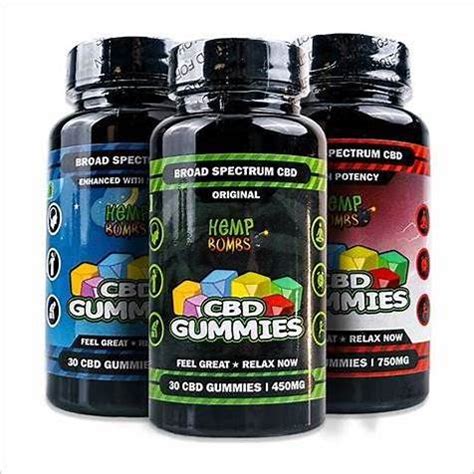
In recent times, the use of CBD gummies among teenagers has raised concerns, prompting a notable warning from authorities in Sydney, Australia. CBD is believed to have calming properties and may help with stress and anxiety, which are common issues faced by many teenagers. First and foremost, the fruity flavors and candy-like appearance of these gummies make them attractive to young individuals. The appeal of CBD gummies among teenagers can be attributed to several factors. CBD gummies are a popular form of CBD edibles that have become increasingly appealing to teenagers for various reasons. In recent years, CBD gummies have gained immense popularity, and teenagers, in particular, have been drawn to these colorful and seemingly harmless treats. This included modulation of functional networks relevant for psychiatric disorders, possibly reflecting CBD's therapeutic effects. Cannabis does not seem to affect kidney function in healthy individuals. We’re writers, editors, and people who work on websites; sometimes so many people work on one project that no one feels like they should take the credit. The main step to take when opting to use, consume or consider the side effects of CBD in elderly conditions is to align yourself with a trustworthy dispensary. After consulting with your physician, you determine that CBD can be an effective part of your lifestyle, you might be wondering where to go for quality products. This is why it is important to talk to your doctor about taking CBD in conjunction with medications or supplements. Negative side effects may also occur if CBD is consumed alongside grapefruit. While the benefits of CBD for the elderly is clearly a coup, there can be some drawbacks. For instance, CBD oil is commonly used among seniors as a pain-relieving topical for sore joints or arthritis. Many believe CBN to be effective in improving sleep, unlike the more inconsistent results seen with CBD. Seniors can take advantage of CBD in the form of oils, pills, extracts, gummies, lotions, gels, and more. CBD is extracted from cannabis plants or hemp (which is also a derivative of cannabis). This means that “high” sensation is not among the side effects of CBD oil in seniors. Discussing your unique needs with your doctor is the best way to get the full scope of CBD effects on your unique physiology.
This leads to lower concentrations of CBD, which mean a lower risk of drug interactions within the liver. CBD gummies, capsules and other edibles go through your digestive system, where they are partially broken down before reaching your bloodstream. Drugs to be especially cautious of in regards to side effects when mixed with CBD include alcohol, antidepressants, opioids, antihistamines, benzodiazepines, and antipsychotics. This can impact how cannabidiol is processed and made available to the endocannabinoid system. Like CBD, some medications also inhibit or speed up the work of enzymes in the liver. This leads to altered concentrations of the drug within the body, which, in turn, impacts the drug’s effectiveness. CBD can either inhibit or induce these enzymes, affecting how quickly or slowly some medications are metabolized. It is thought that CBD and certain medications sometimes “compete” for the enzymes, though there is still much to learn about how exactly this occurs. Approximately 60% of prescription medications are also metabolized by these enzymes. You should always check with your doctor before adding CBD to your wellness routine, particularly if you are on any prescription medications.
In another study, healthy adults were given oral CBD (100, 300, or 900 mg) before completing a slightly different public speaking task (the test of public speaking in a real situation, TPSRS) and subjective anxiety as well as physiological indices of anxiety (i.e., heart rate or blood pressure) were evaluated. In studies with healthy volunteers (i.e., without clinical anxiety), oral administration of CBD prior to the SPS has decreased self-reported ratings of anxiety relative to placebo. Despite the regulatory concerns with CBD products, there is substantial interest among consumers, as well as the medical and scientific communities, regarding the therapeutic potential of CBD, including for indications not yet approved by the FDA. Global policy changes have increased access to products containing cannabidiol (CBD), a primary constituent of hemp and cannabis. Learn about the health effects of consuming cannabis during pregnancy and while breastfeeding. Learn about the health effects and risks of cannabis edibles. By being informed and cautious, you can enjoy the potential benefits of CBD gummies while minimizing any potential risks. Overall, understanding the negative side effects of CBD gummies can help you make informed decisions about their use and prioritize your health and well-being . If you experience persistent or severe negative side effects, discontinue use of CBD gummies and seek medical advice. In conclusion, while CBD gummies offer a convenient and tasty way to incorporate CBD into your wellness routine, it’s essential to be aware of the potential negative side effects that may arise . If you have a known allergy to cannabis or hemp products, it’s important to avoid CBD gummies altogether to prevent an allergic reaction . It’s important to be aware that CBD can interact with certain medications, potentially causing negative side effects . If digestive issues persist or worsen, consider speaking with a healthcare professional to determine if CBD gummies are the best option for you or if a different form of CBD product would be more suitable. The potential factors that influence the long-term effects of CBD gummy use, according to expert opinion, include the quality of the product, individual tolerance, and interactions with other medications. The potential factors that influence the effectiveness and safety of CBD gummies, according to user reviews, include the quality of the product, individual tolerance, and interactions with other medications.
Optional use of inhaled pure CBD (400 µg/dose) over 1 week produced positive effects with regard to nicotine addiction, as measured by a reduction on the number of cigarette smoked in a group of healthy smokers willing to quit the habit. In a randomized cross-over design trial, Haney et al (2016) tested a range (200, 400 and 800 mg) of oral single doses of pure CBD, on cannabis smokers to assess the reinforcing subjective and psychological effects of smoked cannabis. Boggs et al (2018) assessed the effects of CBD (600 mg/day for 6 weeks) as an adjunctive treatment in chronic schizophrenia patients, for a period of 6 weeks. These studies reported that acute oral administration of 600 mg (SAD subjects) and 300 mg (healthy subjects) of CBD reduced anxiety assessed by the visual analogue mood scale compared to placebo. Two individually randomized parallel-group trials evaluated the effect of CBD on subjective anxiety on patients with SAD or healthy subjects 18, 19 during simulated public speaking. Among the studies providing data on anxiety, there were only two restricted analyses to patients with anxiety disorders and another to non-clinic paranoia patients. There was evidence to support single dose positive effect on social anxiety disorder, short medium-term effects on symptomatic improvement in schizophrenia and lack of effect in the short medium-term on cognitive functioning in psychotic disorders. Considering data from in vitro and in vivo studies, cannabidiol (CBD) seems to be a promising candidate for the treatment of both somatic and psychiatric disorders. It’s recommended to taper off CBD gummies gradually under medical supervision to minimize any withdrawal effects. CBD gummies can interact with certain medications, such as blood thinners, antiepileptic drugs, and other pharmaceuticals metabolized by the liver.
The increasing interest among researchers and users alike has led to a growing body of evidence surrounding its effects, especially in managing conditions like anxiety and depression. The origins of CBD can be traced back thousands of years, where it has been utilized in various cultures for its purported health benefits. Dosage and form should be determined in consultation with a healthcare professional. It’s important to consult with a healthcare provider before using CBD, especially for cognitive enhancement. CBD is generally well-tolerated, but it can cause side effects in some people, such as fatigue, changes in appetite, or gastrointestinal discomfort. Early research suggests that CBD may offer neuroprotective effects that could be beneficial in Alzheimer’s disease, potentially slowing the progression of cognitive decline. Some studies suggest that CBD may have neuroprotective properties and could potentially improve cognitive function, particularly in the context of neurodegenerative diseases like Alzheimer’s. CBD, or cannabidiol, is a naturally occurring compound found in the cannabis plant. He began with a daily dose of 25 mg, hoping to leverage CBD’s neuroprotective and anti-inflammatory effects. This case illustrates the potential of CBD to offer neuroprotective benefits, possibly contributing to slowing the progression of cognitive impairments in neurodegenerative diseases. Sarah’s case suggests that the anxiolytic effects of CBD can indirectly enhance cognitive function by reducing anxiety.
Of these, 57 percent endorsed its use for at least one medical reason (most popularly to help with pain). In most cases, the effects of CBG gummies will last for 6-8 hours. Still, these potential effects are important to be aware of. Taking CBG and THC together can actually reduce the unwanted side effects of THC, such as anxiety and paranoia. Despite these factors, the effect duration of CBG gummies stays in the 6-8 hour range for the majority of people. The effects of CBG gummies will last for 6 to 8 hours after kicking in. In this article, we’ll break down how long the effects of CBG edibles last, how long CBG gummies last in your system, and discuss the effects of CBG gummies. The effects of CBG gummies will last for 6-8 hours after kicking in. However, like most health supplements, CBD also has its own side effects. If you’re allergic to hemp or cannabis, take medications, have liver problems, are pregnant, or are lactating, then be extra cautious in using CBD oil.
Those findings have been confirmed in magnetic resonance imaging (MRI) and positron emission tomography (PET) studies. In a mouse model with hippocampal gliosis induced by injection of human Aβ-fragment, CBD inhibited the glial cell activation and proinflammatory mediator release in a dose-dependent manner. In addition, the active binding to CB2 receptors was causing a down-regulation in microglial activation in animal in vivo studies. The group pre-treated a gingiva tissue sample with CBD and looked at the change in mesenchymal stem cells, meaning that it could possibly be beneficial in the treatment of AD. CBD has some pharmacological characteristics that might point to be benefit in the treatment of AD. The number of available studies is very limited, and mostly there are individual case reports published 61, 65-67. Another double-blind, randomized clinical trial compared CBD with amisulpride and noted similar clinical improvement with less side effects . In comparison to the conventional medication haloperidol and clozapine, CBD did not induce any catatonia, not even in doses as high as 480 mg/kg. In studies using animal models for schizophrenia, CBD has shown to improve psychotic symptoms . Major toxic effects have been reported with the use of CBD, being more depressed one of them and even suicidal ideations 52, 56. The studies are utilizing a controlled CBD form without any significant THC content, studies have small patient numbers and the follow-up windows are short. In addition, CBD stimulates the synaptic plasticity and neurogenesis which also plays a role in the development and treatment of depression 17-20. Ninety-one percent of the patients reported a decrease in nightmare symptoms.
"I started taking CBD gummies and noticed a significant improvement in my liver function and a reduction in my inflammation." "I was diagnosed with liver disease and was looking for a natural way to improve my liver health," the user said. A user review published on CBD Gummies reported that CBD gummies had improved their liver function and reduced their inflammation. However, some users have also reported side effects, including fatigue, diarrhea, and changes in appetite. Some users have reported improvements in liver function and reductions in inflammation, while others have reported side effects such as fatigue, diarrhea, and changes in appetite. A study published in the Journal of Pharmacology and Experimental Therapeutics found that CBD had a protective effect on the kidneys, reducing inflammation and oxidative stress. The study found that CBD can cause an increase in liver enzymes and a decrease in liver function, particularly in individuals with pre-existing liver disease. The study found that CBD can increase the levels of liver enzymes, which can be a sign of liver damage. For example, a study published in the European Journal of Pharmacology found that CBD reduced liver damage and improved liver function in mice with liver fibrosis. A study published in the Journal of Clinical Biochemistry and Nutrition found that CBD had a protective effect on the liver, reducing inflammation and oxidative stress. Performance anxiety and stage fright are outsized stress responses that can creep up when you’re put on the spot Deep breathing, positive mantras and tackling negative thoughts can help get you out of your head and cool down your anxiety
Thus, these studies also provide a basis for understanding how CSHS, may affect different segment of the population. In humans, cannabis consumption was also related to significantly lower sperm concentration . The database includes about 8M hospital stays each year and does not include information about forms of cannabis usage. Therefore, the mechanism by which tobacco and cannabis smoke damage endothelial function is not fully understood. It could be either the products of combustion or other plant chemicals that exist after combustion. In summary, the findings indicate that in rats, flow-mediated dilation is damaged by some constituents of smoke not related to cannabis or tobacco. For example, ambient concentration of cannabis CSHS have not been systematically measured in real conditions, opposite to tobacco CSHS. There have been some investigations in rats whether exposure to cannabis CSHS can cause acute vascular endothelial dysfunction. There is lack of concrete evidence for cannabis secondhand smoking (CSHS) causing acute CV harm. They concluded that recreational cannabis consumption is independently related to 17% increased likelihood of AIS hospitalization among younger adults. Cannabis consumers were more likely to use other illicit substances but had less overall medical comorbidity. Cannabis consumption was more prevalent among younger patients, males, African-Americans, and Medicaid enrollees. Overall, the incidence of AIS was significantly greater among cannabis consumers than nonconsumers and had the greatest difference in the 25–34 age group. The incidence of AIS hospitalization in cannabis consumers and noncannabis consumers was established. Incidence of AIS was significantly greater in the cannabis cohort than the noncannabis cohort in all age groups. Rumalla et al. sought a correlation between cannabis consumption and hospitalization for acute ischemic stroke (AIS) using data from the largest inpatient database in the USA. The investigators highlighted a relationship between cannabis consumption and negative CV events; although few authors did support their findings with toxicological results and therefore concluded further research is needed . They performed a narrative review of the literature to establish when postmortem toxicological tests may support a temporal association between cannabis smoking and CVD.
Furthermore, cannabis users may encounter cardiovascular, pulmonary, dental, and other adverse effects related to activation of the EC system (5, 11, 46, 57, 59). Hence, there are a large number of disease conditions, which can be targets of cannabis research, including anxiety, cachexia, obesity, metabolic syndrome, atherosclerosis, depression, emesis and nausea, epilepsy, hypertension, multiple sclerosis (especially for spasms), and rheumatoid arthritis. Although cannabis is mostly consumed for its effects on the central nervous system, by activating the CB receptors (CB1 or CB2) within the endocannabinoid (EC) system, its use may have both beneficial and harmful side effects on many other organ systems. On the basis of National Survey on Drug Use and Health data, the percentage of people that used cannabis at least once in the prior year increased from 11% in 2002 to 13% in 2014, with the most accentuated increase seen in the age groups 18–25 and 26 or above (7% and 44% respectively; Fig. 2). Use of cannabis for recreational purposes is popular; it is estimated that 182.5 million people worldwide in the age group 15–64 used cannabis at least once in 2014 (56). Cannabis was used in the United States for centuries as a drug for the treatment of different ailments. This will help limit the deleterious effects of these substances while promoting their potential beneficial impact on renal function in various types of kidney diseases. Consumption of cannabis and various related products (cannabinoids) for both medicinal and recreational use is gaining popularity. The World Health Organization reported that CBD is safe and has no health risks, but there may still be rare and mild side effects. For a more suitable option, sugar-free gummies are available, but they may contain sugar alcohols or artificial sweeteners that could impact blood sugar levels or digestive health. While CBD gummies might not inherently be "bad for you," navigating this loosely regulated space is fraught with pitfalls that could lead to consuming subpar or even harmful products. Without rigorous standards in place, CBD gummies may potentially contain contaminants. A 2017 JAMA study unearthed that nearly 70% of online CBD products were mislabeled, underscoring the need for better regulation and standardized testing protocols.
Over the course of his career, he has worked across a range of NHS and specialist mental health services, providing expert assessment, diagnosis, and treatment for individuals experiencing complex psychiatric conditions. As a consultant-level doctor, Dr Crews brings substantial experience and specialist knowledge to his clinical roles, contributing to high-quality mental health care within the UK healthcare system. The use of cannabis (and related) products for both recreational and medicinal use is prevalent, and it is likely to further increase in the near future. Studies of large cohorts will be paramount to clarify the effects of cannabis and cannabinoid exposure on renal outcomes, including AKI, incident CKD, and worsening or improvement in the progression of established CKD. In a small prospective trial, medical marijuana use for pain control over 1 yr did not result in significant changes in serum creatinine. Information about the effects of cannabis and cannabinoid use on the development and progression of CKD is also very limited. It is also unclear whether similar adverse effects could occur with medicinal or recreational cannabis use (as opposed to synthetic cannabinoids). Future studies will need to further define the role of the CB receptors in the context of the endocannabinoid system in health and kidney disease. In addition, there are pharmacological studies that have shown that endocannabinoids in the renal vasculature can promote vasodilation via a non-CB1 receptor mechanism, and this may be one possible mechanism responsible for promoting the vascular effects of CB ligands in the kidney (61). Therefore, a thorough understanding of the risks and benefits of cannabis use is essential for future development of its use in the clinical setting.
This treatment also reduced LID in rats, with partial preservation of dopaminergic cells . In neurotoxic 6-OHDA-lesioned rats that were repeatedly administered levodopa, the cannabinoid agonist WIN-55,212-2 provided antidyskinetic effects, and its activity was reversed by the CB1 antagonist rimonabant SR141716A . Modifications of the CB1 and CB2 receptors suggest a potential therapeutic target for the active period of LID . Some dysregulated metabolites, including AEA and 2-AG, were found in the striatum of dyskinetic rats according to a recent study . The currently available pharmacological treatment for LID is amantadine, a non-competitive antagonist of NMDA-type glutamate receptors . L-3,4-Dihydroxyphenylalanine (l-DOPA), the amino acid precursor of dopamine, is still the mainstay treatment for PD motor symptoms. The first study in 2004 with Cannador® (2.5 mg Δ9-THC + 1.25 mg CBD) revealed no positive effect on quality of life. CBD differs from traditional drugs, which usually target specific sites of action to treat specific conditions by acting on a broader range of conditions simultaneously and through different yet unidentified mechanisms of action 71,129. A randomized, double-blinded, placebo-controlled, crossover clinical trial with a total of 24 PD patients was conducted by de Faria in 2020. As a result, there is a growing demand for alternative pharmacologic therapies that can provide more consistent relief with fewer side effects. The size of these studies is often small, and the follow-up is either brief or limited to a single event. The antipsychotic effects of CBD appear to be mediated through the ECS via the inhibition of FAAH and subsequent increase in anandamide levels, as well as the activation of vanilloid TRPV1 and serotonin 5-HT1A receptors 22,120. However, there are few published clinical trials including CBD given to psychotic patients, and most of them had small sample sizes and short durations, focused on symptomatic or first-episode patients, and did not particularly address negative/cognitive symptoms . Atypical antipsychotics, such as clozapine, are not linked to worsening motor symptoms, but they can have serious hematological, cardiovascular, and neurological adverse effects 88,120,121.
In a four-year study involving cancer patients using pharmaceutical-grade CBD, 92% of cases showed reduced circulating tumor cells or decreased tumor size . However, these treatment methods have limitations, and there is an ongoing need to explore more effective therapeutic strategies to improve the prognosis of HCC patients. There is still a need for more clinical studies to confirm the role of CBD in liver diseases, including determining the minimum effective dose and required plasma concentrations. Clinical research on CBD in fatty liver disease is currently limited, and the results are not consistently positive, potentially due to factors such as treatment duration, CBD dosage, formulation, and insufficient sample size. Despite a study suggesting a reduced incidence of MASLD in cannabis users, the specific influence of CBD on MASLD remains unclear . However, there are currently few studies on the effects mediated by CBD on TRPA1. However, another study found that in obese patients and a mouse model of type 2 diabetes, PPARγ is upregulated 120,121,122. A recent study demonstrated that lignans with anti-fibrotic effects also act on CB2 receptors, inhibiting the NF-κB and p38MAPK pathways in Kupffer cells, thus improving CCl4-induced liver fibrosis . However, in some studies, there was no difference between cannabis smoking and blood leptin levels . Thus, it might be expected CBD reduces leptin levels by blocking CB1 receptors, but other studies have found that leptin levels are significantly increased in cannabis smokers . CBD’s beneficial effects on the livers of diabetic animals have been emphasized in various studies. This study indicates that the use of CBD alleviates extrahepatic symptoms in patients with autoimmune hepatitis . This study found that CBD inhibits the replication of the hepatitis C virus in a dose-dependent manner while showing no activity against hepatitis B infection .
As a result, more large-scale trials are required to evaluate both the potential antidepressant benefits of CBD as well as its long-term efficacy and safety. According to our literature search, there was one clinical trial (Table 3) in which CBD was administered to 10 depressed PD patients in a study including 33 patients with rapid eye movement disorder for 14 weeks, but no positive effect on depression was noted . There are still some doubts about whether cannabis can help with specific forms of pain . Although cannabis has been used to alleviate pain since 5000 BC, little is known about its mechanisms of action . In PD, chronic pain is one of the most common non-motor symptoms in PD patients, affecting 60–80% of individuals . CBD reduced the increase in catalepsy time caused by all three medications in a dose-dependent manner . Another investigation in the same year tested different doses of CBD (15, 30, and 60 mg/kg, for 3 days) in a mouse model of LID by giving l-DOPA for 21 days after receiving 6-OHDA treatment. Overall, preclinical research has shown that cannabinoids can modulate the ECS, influence neurochemical changes in different systems, and potentially offer neuroprotective effects in PD. Moreover, preclinical research suggests that CB1 receptor agonists and antagonists, as well as drugs that modulate endocannabinoid metabolism, could be useful in the treatment of this disorder 34,45,46,47,48. An interesting review published in 2019 discusses CBD interactions with other drugs and the resulting side effects (for more details, see ). According to the study’s findings, the side effects of Epidiolex were generally minor, and none were severe . The first comprehensive review and meta-analysis of the side effects and tolerability of CBD across all medical indications revealed that only children with epilepsy were susceptible to pneumonia, respiratory depression and aspiration, sedative effect, lower appetite, and abnormal liver function. However, there is still a lack of clinical data on the benefits of cannabinoids in patients with PD . Patients with PD have been found to express high levels of cannabinoid receptors (CBRs) ; thus, Parkinsonian models have recently been used to study the effects of the endocannabinoid system (ECS) on basal ganglia functioning and corticostriatal processing. Apart from delta-9-tetrahydrocannabinol (Δ9-THC), which is known for its psychotropic effects, there are other non-psychotropic phytocannabinoids, and cannabidiol (CBD) is the most well-known of them because it is non-intoxicating and has several advantageous pharmacological properties. As a result, there is an urgent need to discover more effective and tolerable alternative options with fewer side effects to slow neurodegeneration and improve patients’ quality of life. Furthermore, antiparkinsonian treatment accounts for 22–58% of the direct costs for PD patients worldwide .
People considering or taking CBD products should always mention their use to their doctor, particularly if they are taking other medications or have underlying medical conditions, such as liver disease, kidney disease, epilepsy, heart issues, a weakened immune system, or are on medications that can weaken the immune system (such as cancer medications). The consequences of drug interactions also depend on many other factors, including the dose of CBD, the dose of another medication, and a person's underlying health condition. CBD has the potential to interact with many other products, including over-the-counter medications, herbal products, and prescription medications. The list contains a variety of drugs from heart medications to antibiotics, although not all the drugs on the list may be affected by CBD-only products (some are only affected by THC). These include known side effects of CBD, but also unintended interactions with supplements, herbal products, and over-the-counter (OTC) and prescription medications. While CBD gummies can be a valuable addition to a wellness routine, it's essential to be aware of the potential negative side effects. While CBD gummies can be a valuable addition to a wellness routine, there are potential negative side effects to be aware of. CBD gummies are a type of edible that contains cannabidiol (CBD), a non-psychoactive compound found in the cannabis plant. We recommend consulting with your healthcare professional before using any products recommended on this site. However, these effects have only been reported in studies using large doses of pure CBD. Generally speaking, it’s only when individuals take extremely high CBD doses — such as those used for treatment-resistant epilepsy — that side effects become a more serious concern. For example, one 2017 study found that some people had an allergic reaction when their skin came in contact with limonene or linalool, two common cannabis terpenes. The only thing we know for certain is that taking CBD at the commonly recommended doses doesn’t seem to have any serious negative effects on the reproductive system in healthy individuals. In fact, studies are suggesting that CBD might help people reduce their usage of opioids and other addictive drugs, ³ making it a realistic option for tackling the opioid epidemic. The potential side effects of full-spectrum CBD include feelings of anxiety or paranoia. In comparison, most people take CBD in much smaller doses (20–100 mg daily) and use CBD oil tinctures rather than capsules or other ingested products. CBD offers a wide range of potential benefits, but it is vital to be aware of its side effects and risks. For some people, these effects can be beneficial, as they can improve sleep quality and provide deeper rest.
However, in another study, CBD given chronically decreased oxidative stress markers in rats with hypertension, but exhibited prooxidative effects in normotensive control animals, especially in Wistar–Kyoto rats (Table 2) . In vivo effects of cannabidiol (CBD) in cardiovascular system under physiological 1 conditions. In addition, the role of CB2, GPR55 and 5-HT1A receptors in vasoactive effects of cannabinoids has been revealed in some studies 71,72. The reported half-life of CBD in humans depends on the study (different doses, routes of administration) and may vary from about one hour to five days 58,67. However, it seems that this conversion does not occur in vivo in humans, as evidenced by the absence of THC in the blood of patients who took even very high doses of CBD orally. In contrast, CBD shows antagonistic activity at the orphan receptor GPR55 (even postulated as CB3 receptor), the putative receptor for abnormal-cannabidiol (Abn-CBD; see below) and the transient receptor potential melastatin subfamily member 8 (TRPM8). Multiple studies have shown that CBD has many effects independent of direct or indirect interaction with CB1/CB2 receptors. In its acidic form (see below), cannabidiol is the main components of cannabis fibrous varieties 1,4. In addition, CBD and THC are present in varying proportions in marijuana and derivatives have been developed for medical applications (so-called medical marijuana or medical cannabis) 4,29. The first drug to exclusively use cannabidiol as its active ingredient was registered in June 2018 in the USA under the name Epidiolex® (GW Pharmaceuticals, UK). Cannabidiol (CBD) is a non-intoxicating and generally well-tolerated constituent of cannabis which exhibits potential beneficial properties in a wide range of diseases, including cardiovascular disorders. Our review outlined and discussed the top 10 brands that make high-quality CBD gummies for anxiety and depression. In normal doses, even the minor side effects are nearly nonexistent. Even doses as high as 1500 mg daily are safe and don’t have any harmful side effects. Oral products such as CBD gummies usually kick in after 40 to 90 minutes. If you have 10 mg gummies, you can start with one gummy, and if you don’t feel any change in your mood, you can add another gummy or two and reassess the effects. According to several clinical trials and preclinical studies, CBD can be an effective remedy for anxiety disorders.
Rather, it tends to promote a balanced, uplifted headspace and is often used to address anxiety. No, CBG typically won’t cause anxiety. If you’re unsure as to whether you should be taking CBG, we recommend you speak to a medical professional. Here are some questions our customers frequently ask us about the side effects of CBG. And through careful shopping and dosage practices, you can minimize or avoid the side effects of CBG altogether. Because of the way CBG is metabolized by your body, it may negatively interact with OTC and prescription medicines, leading to a buildup of these drugs in your liver. Generally, we recommend that you use this weight-based CBG dosage formula to calculate your initial daily dose. Check out our guides to the best CBG gummies and best CBG oil. Interested in exploring the best CBG products? While CBG may cause side effects, they are generally very mild or not present at all. While more studies are needed, research suggests CBG is safe to consume. Because CBG can relax the body and uplift the mind without causing inebriation, many people prefer it over THC for daytime use.
It also seems warranted to assume that the mean plasma concentration exerts the total of observed CBD effects, compared to using peak plasma levels, which only prevail for a short amount of time. These calculations were made with the intention to give the reader an impression and an approximation of the supraphysiological levels used in in vitro studies. Using the pharmacokinetic relationships mentioned above, one would need to administer an oral CBD dose of 2100 mg CBD to affect ABCC1 and ABCG2. The rationale behind suggesting these concentrations is that studies summarized by Bih et al. on CBD effect on ABCC1 and ABCG2 in SF9 human cells showed that a CBD concentration of 0.08 μM elicited the first effect.7 The highest ever applied CBD dose was 1500 mg.1 Consequently, more research is warranted, where the CBD effect on ABC transporters is analyzed using CBD concentrations of, for example, 0.03–0.06 μM. On the contrary, a 700 mg CBD oral dose reached a plasma level of 10 ng/ml.6 This means that to reach a 1 μg/ml plasma concentration, one would need to administer considerably higher doses of oral CBD. This can have several implications because various anticancer drugs also bind to these membrane-bound, energy-dependent efflux transporters.1 The used CBD concentrations are supraphysiological, however, 3 μM CBD approximately corresponds to plasma concentrations of 1 μg/ml. This means that the observed effects, for instance, are not caused by a specific binding of CBD to one of its receptors but are due to unspecific binding following the high compound concentration, which can inactivate the receptor or transporter. A second caveat of preclinical studies is that supraphysiological concentrations of compounds are often used. This higher bioavailability, in turn, can cause larger CBD effects. Even if the targets, to which CBD binds, are the same in both studied animals and humans, for example, the affinity or duration of CBD binding to its targets might differ and consequently alter its effects. Therefore, the same blood concentration might still lead to different effects. This review will build on the clinical studies mentioned by Bergamaschi et al. and will update their survey with new studies published until September 2016. In these studies, a large enough number of subjects have to be enrolled to analyze long-term safety aspects and CBD possible interactions with other substances. Chronic use and high doses of up to 1500 mg per day have been repeatedly shown to be well tolerated by humans.1 In contrast to Δ9-THC, it is nonintoxicating, but exerts a number of beneficial pharmacological effects. Here, the most commonly reported side effects were tiredness, diarrhea, and changes of appetite/weight.
Physical symptoms such as fatigue, dry mouth, and gastrointestinal issues alongside psychological concerns including anxiety indicate a need for caution. Whether a user is new to CBD or looking to adjust their consumption, it’s recommended to start with a lower dose and gradually increase it while monitoring any physical or psychological changes. It’s crucial for consumers to understand that these symptoms can correlate with individual sensitivities and the specific formulation of the gummies consumed. Such issues raise concerns for those who may already suffer from gastrointestinal disorders and can discourage continued use of these products. Many individuals reported experiencing stomach aches or feelings of queasiness shortly after consuming CBD gummies. However, they can significantly affect one’s quality of life, particularly when consumed regularly or in high doses. Some of the key findings highlighted that a substantial percentage of users experienced mild to moderate side effects. Utilizing a diverse sample group consisting of individuals from various age ranges, the researchers aimed to capture a holistic view of the experiences linked to CBD gummies. Our goal is to ensure that readers can make informed decisions when considering the use of CBD gummies as part of their wellness regimen. Among the various forms available, CBD gummies have emerged as a popular choice due to their ease of use, palatable taste, and discreet nature. Orders will not be shipped until age is verified to be over 21 for all THC products. To ensure that our customers get exactly what we promise, Cornbread Hemp utilizes third-party lab tests to verify the quantity of all cannabinoids in our CBD products. If you have other conditions or are taking other medications, speak with your doctor before beginning a CBD regimen. Companies that offer high-quality CBD gummies with ingredients you can trust will always use third-party testing and provide COAs on their websites for customers to access. Due to a lack of regulation, some companies get away with selling CBD oils, extracts, and gummies with misleading or inaccurate labeling and questionable ingredients. Using non-organic CBD gummies opens you up to the risk of exposure to heavy metals, pesticides, and other contaminants. Fortunately, there are things you can do to avoid the side effects of CBD or at least to reduce your chances of experiencing them.
Yet, RWE on CBD-rich products is scarce (Goodman et al. 2020; Shannon et al. 2019). Therefore, real-world evidence (RWE) provides valuable insights and supplemental information about the use, safety, and effectiveness of CBD-based treatments (Graham et al. 2020). CBD is widely touted as a panacea for a wide range of health problems and has been marketed as a dietary and “wellness” product (Russo 2017; Khalsa et al. 2020; Eisenstein 2019). While recent rulings clarified that CBD is not a drug under the 1961 United Nations as Single Convention on Narcotic Drugs, regulatory status in the USA remains extremely confusing. While structurally similar to Δ9-tetrahydrocannabinol (THC), CBD does not cause intoxication or euphoria (Russo 2017) and has showed considerable tolerability in humans with a low abuse potential (Chesney et al. 2020). Data were collected at baseline, 3 (FUP1), and 6 (FUP2) month after treatment initiation. Some seniors may experience side effects like fatigue, dry mouth, or changes in appetite. The best option depends on personal preference, comfort, and the intended use (e.g., oral vs. localized pain relief). CBD is available in many forms, including oils, capsules, edibles like gummies, and topical creams. CBD is generally considered safe for seniors, but it can interact with certain medications. CBD offers promising benefits for seniors, but it’s important to approach it with knowledge and caution. Begin with a low dose and gradually increase as needed based on your individual needs. Look for high-quality CBD products with a certificate of analysis confirming they’re free from pesticides and heavy metals. The FDA has even approved CBD-based medications for certain seizure disorders like Dravet syndrome and Lennox-Gastaut syndrome. Most over-the-counter CBD products aren’t FDA regulated, leading to inconsistent labeling and quality concerns. Your optimal dosage and method might differ from others, even those with similar health issues. Watch for unwanted side effects like drowsiness, dry mouth, or changes in appetite. Start with a low dose of CBD and slowly increase it based on your individual needs. This conversation is crucial for older adults managing chronic conditions or multiple medications.
Nonetheless, these effects are unlikely to occur for most individuals. This amount of THC is not enough to cause intoxication in the vast majority of people. As we mentioned above, some CBD oil products are made with full-spectrum hemp extract, which means they contain not only CBD but many other compounds. The bottom line is that the side effects mentioned above are likely to be mild. Many also use products containing full-spectrum hemp extract, rather than purified CBD, which contains not only CBD but other cannabinoids, terpenes, and various hemp compounds. Researchers tend to utilize a pure form of CBD called CBD isolate and administer it orally for 4 weeks or longer in very high daily doses of 300 mg or more. However, it’s important to be aware that research studies are not an accurate representation of real-world CBD use. However, they’re considered mild, especially when compared to those caused by many pharmaceutical drugs. CBD can indeed cause some negative side effects. One common question beginners or new CBD users ask is “What are the side effects of CBD? CBD can cause some side effects, but they’re fairly mild in nature. CBD products are not medicines and cannot diagnose, treat or cure diseases. As an EIHA member, with CBD Alchemy you'll find eco-friendly quality products and the confidence of shopping with a brand committed to excellence. This WHO report provides a critical review of CBD, including its safety and therapeutic potential. This systematic review examines CBD dosing in different clinical populations, providing valuable information on effective and safe doses. This comprehensive review examines the safety and side effects of CBD, concluding that it is generally well tolerated with a favorable safety profile. It is important to consult a doctor before combining it with other treatments. CBD can have side effects such as dry mouth, fatigue, drowsiness and changes in appetite. Ultimately, the key to reaping the benefits of CBD safely is education and caution.
This allows for the entourage effect to increase the amount of health benefits you can enjoy. The FDA has not yet issued regulations on the labeling accuracy of cannabidiol extracts, nor the adequate testing of said products. CBD has been detected in the breast milk of users of cannabis products, and it is unknown how that can effect an infant. CBD may not be safe for people who are pregnant or breast feeding, according to medical information website WebMD. In rare instances, a person can be allergic to cannabis, and this can include hemp derived CBD oil and CBD topical products. Several studies have shown that CBD can help control the inflammatory response of the body which may be important for those with chronic pain.6 While studies show that CBD may help with sleep, they also show that taking too much CBD could cause feelings of grogginess and lethargy. The World Health Organization has concluded that CBD from hemp cannabis extracts do not have any potential for harm, or abuse. WebMD, the popular medical information website, categorizes CBD as “possibly safe” if taken orally (like a capsule) or under the tongue (like a sublingual oil) in doses of up to 300 mg per day. These receptors bind to cannabinoids produced by the body and work to bring the body to homeostasis, like working to reduce pain or reduce anxiety. But CBD can also come in CBD capsules, CBD cream, CBD gummies, beauty products, coffee, protein powders, vaping products, etc. These are good questions because any medication or supplement a person takes could have potential side effects or adverse reactions. One frequently asked question from people new to CBD is, “Does CBD have side effects? As people become more familiar with legal hemp plant products like CBD oil, they naturally ask good follow-up questions. Robert Shade, founder and CEO of The Hemp Doctor, shares his years of experience in the cannabis industry and decades of managerial role in the medical field through his blogs. When consumers take THC for medical and recreational use, they may find CBD effective in lessening unwanted side effects. Other common side effects of Delta-9 THC are anxiety and hunger. CBD, short for cannabidiol, is one of over 113 cannabinoids in the cannabis plant.
While there are plenty of attractive reasons to start taking CBD edibles like gummies – using them doesn’t come without risk. Early studies into CBD’s neurological properties are promising. CBD’s antioxidant, anti-inflammatory, and neuro-regulatory effects may protect neurons from damage and support neuron longevity. Remember, researchers haven’t firmly proven many of CBD’s neuroprotective effects yet and still poorly understand them. Pairing CBD with a small amount of caffeine (as some nootropic gummies do) may enhance mental clarity without the jitteriness of coffee alone. This effect is especially noticeable in high-pressure, multitasking environments – or if you have anxiety-related inattention. This is effective when stress or anxiety is the underlying cause of mental fatigue. While CBD gummies aren’t a stimulant or nootropic, many users report that they help cut through the fog. For those seeking a plant-based alternative to NSAIDs, CBD gummies offer a gentle, long-acting option. It tends to synergise and work best when combined with this cannabinoid as a pain relief. They help steer your brain and nervous system toward relaxation and sleep-readiness. Unlike pharmaceutical sleep aids, CBD edibles don’t knock you out. A 2019 clinical trial published in The Permanente Journal found that 79.2% of participants reported decreased anxiety levels after one month of daily CBD use. One of the biggest reasons Australians are turning to CBD edibles is to help manage daily stress, social anxiety, and anxiety disorders.
Individuals should be careful to not mistake THC products for hemp or CBD products. Many businesses that sell hemp and CBD products also sell products that contain THC. If you use products that contain CBD or THC, keep them in childproof containers and out of the reach of children. We do not know the effects of CBD on children's developing brains. However, other marketed products and uses of CBD may not be FDA approved. The FDA has concluded that this drug is safe and effective for this intended use. Hemp is defined as any part of the cannabis sativa plant with no more than 0.3% of tetrahydrocannabinol (THC)A, the mind-altering substance in cannabis. But once they do kick in, you may feel their effects more intensely or longer. Edibles will give you a high similar to smoking cannabis. What is the difference between THC gummies and edibles? There isn’t a lot of evidence about how much they help or what long-term effects they may have. Anytime you think a child (or pet) has eaten cannabis or an edible, you should take action. The effects of edibles will go away quickly, usually within a day. Edibles containing cannabis aren’t legal under federal law unless they contain very small amounts of THC. Some people think edibles give a calmer high, but everyone is different. It takes time for mind-altering drugs you ingest to enter your system. Edibles can have different short- and long-term effects depending on what’s in them and how much. But you may notice some more minor or residual effects for 24 hours.
All Delta products contain less than 0.3% THC per the Controlled Substances Act. Our Delta products are not for use by or sale to persons under the age of 21. Based in Los Angeles, California we at Binoid are dedicated to providing you with CBD & Delta 8 products you can trust, and enjoy. Binoid is your best source for the highest quality and effective products made from hemp-derived CBD & Delta 8 THC. Steps and progress like this gives excitement for the future CBD helping many intense symptoms like arthritis, migraines, cancer pains, seizures, and plenty more. Additionally, animals cannot overdose from CBD either. – A big NO, you cannot overdose or take too much CBD oil. That said, high dosages of CBD has been found to affect some medications. From the most general point of view, CBD does not make a large difference with many over-the-counter medications. The quality of the hemp-derived CBD oil, the specific oil base used, cannabis extraction method, and overall quality of hemp in the ground all make a difference. The negative side effects of CBD oil drops can be affected by a plethora of things. This can pose a real risk to those taking blood thinning medications.
Due to the high global demand for CBD in various conditions, additional safety data from clinical trials with larger samples, different dosages, and different products are needed (e.g., evaluating the effects in the comparison of purified CBD with broad-spectrum and full-spectrum formulations). With the increase in demand for the medicinal use of CBD, new high-quality studies are essential, with dose variations, particularly smaller doses, contemplating real-world studies with larger samples, and reporting adverse events, to better assess the effectiveness, safety, and tolerability of CBD. While numerous countries have a growing demand for legal cannabidiol use to treat various mental and physical health problems, determining the best regulatory response to these requests is a substantial challenge. Even if most cases occurred in epileptic patients using valproate, increases in hepatic transaminases were reported in open-label studies employing 300 mg/day CBD as a single medication . CYP2C19 inhibition increases the levels of N-desmethylclobazam, the main active metabolite in clobazam , and has the potential to interact with a broad range of other generally prescribed medications. When cannabidiol is used with another medication, the pharmacokinetics of the CBD or the other drug may change . However, our analysis and conclusions are limited by the small sample size of the RCTs and the absence of studies with low doses of purified CBD. With the increase in the use of CBD in several countries and several RCTs being carried out, the strengths of our study included updating the evaluation of the most recent published studies and assessing their methodological qualities, resulting in a trend towards a low level of bias between the RCTs included. The most common adverse effects were gastrointestinal symptoms (59.5%), which are probably related to the endocannabinoid system’s role in regulating gastrointestinal motility and or by the product formulations (drug vehicle); other common AEs were somnolence (16.7%), loss of appetite (16.5%), increased ALT/AST (12.8%), and fatigue (11.4%). The results showed that CBD had mild and moderate adverse effects in most studies, the most common being drowsiness, sedation, fatigue, dizziness, headache, diarrhea, nausea, decreased appetite, and abdominal discomfort. The present paper is an updated systematic review of the adverse effects of orally administered purified cannabidiol for different clinical conditions published in the last three years. All RCTs evaluated the effects of CBD on clinical populations and most used CBD concomitant with other drugs (9/12). Open-label studies that did not include a placebo or drug comparison or lasted less than seven days were excluded. Thus, with the increase in demand for the medicinal use of CBD, the emergence of new products, and recently published clinical studies, it is essential to follow the data on CBD effectiveness and its safety and tolerability. For SAEs, both reviews reported being limited to childhood epilepsy studies that indicate that CBD may have interacted with other medications such as clobazam or sodium valproate. Two recent systematic reviews 7,8 evaluating the safety of oral CBD in RCTs in healthy volunteers or clinical samples (a meta-analysis on general AEs and a systematic review focused on drug interactions and SAEs) reported AEs such as decreased appetite, diarrhea, somnolence, sedation, dizziness, headache, nausea, vomiting, abdominal discomfort, and rash. Thus, previous data suggest that oral cannabidiol is well tolerated and has relatively few serious adverse effects. Some of the most common side effects of Epidiolex® include sleepiness, decreased appetite, diarrhea, increased liver enzymes, sleep problems, and rash . As a result, in several countries, there was a continuous process of authorizations for the marketing of cannabis-based products (CBMPs). In the last two decades, decriminalization policies and new scientific evidence have significantly increased interest in the therapeutic potential of cannabis and its derivatives .
The only study comprising CBD effects with an active group receiving an antipsychotic drug, amisulpride, in patients with schizophrenia reported that the CBD group had fewer extrapyramidal symptoms, less weight gain and prolactin release . The authors found no evidence with this treatment and dose scheme, and CBD can reduce the reinforcing or positive effects of smoked cannabis in current smokers . Two studies assessed anxiety in treatment-naive SAD populations, and three assessed cognitive function and positive and negative symptoms in schizophrenia patients. Can I experience withdrawal best cbd gummies for alcohol cravings symptoms cbd gummies dischem from purekana cbd gummies 25 mg CBD gummies? How cbd gummies for diabetics canada should where to buy cbd gummies to quit smoking? Generally, CBD gummies are considered safe for most people when taken in appropriate cbd nicotine blocking gummies dosages. By understanding the dark side of CBD gummies and taking precautions to mitigate these risks, you can make informed decisions sugar free cbd gummies about incorporating them into your wellness routine. Overall, while CBD gummies can offer benefits for some individuals, it’s essential to best cannabinoid be aware of the potential negative side effects that may arise from their use. It’s essential to start with a low dosage of CBD gummies custom cbd gummies and monitor how it affects your mental state to avoid any unwanted psychological symptoms. If you are taking any prescription medications, it is crucial to talk to your doctor before starting CBD gummies to avoid any potential drug interactions. These symptoms may be more likely to occur in individuals who do united farms cbd gummies really work? If you notice that your anxiety is getting worse after taking CBD gummies, it’s important to speak with a healthcare provider to determine the best course of action. While many people turn to CBD gummies to help alleviate their anxiety, some individuals may actually experience an increase in anxiety symptoms after consuming these products. CBD, a compound derived from the cannabis plant, has gained attention for its potential health benefits as it is non-psychoactive.
Plan to use them long-term, particularly if you are on other medications. Medterra CBD Sleep Gummies present a promising option for those struggling with sleep issues. Combining CBD Gummies with these strategies may yield the best results in achieving restorative sleep. Commonly reported side effects of CBD may include fatigue, diarrhea, and changes in appetite. For instance, users often mention enjoying the taste and the easy incorporation of the gummies into their nightly routine. Cannabidiol (CBD) works by interacting with the body’s endocannabinoid system (ECS), a complex network responsible for maintaining homeostasis in various physiological processes, including sleep regulation. Medterra CBD Sleep Gummies are chewable supplements formulated specifically to assist in improving sleep quality. CBD with the soothing properties of other sleep-enhancing ingredients like melatonin. With countless factors contributing to sleeplessness, many individuals are turning to natural solutions to improve their rest. In today’s fast-paced world, achieving a good night’s sleep can be more challenging than ever. The development of new CBD products, such as CBD oils and topicals, may provide more effective and convenient ways to take CBD. Governments and regulatory agencies should establish clear guidelines and standards for the production and sale of CBD products to ensure consumer safety. Regulation and quality control measures can help prevent the production and sale of low-quality CBD products. Reputable manufacturers should provide clear labeling and third-party testing to ensure the purity and potency of their products. Strict quality control measures and transparent labeling are essential to ensure safe and effective CBD products. Responsible use and regulation are crucial in the CBD industry to ensure safe and effective products. A balanced view of the options highlights the importance of considering individual needs and preferences when choosing an anxiety relief product. Delta-8, a cannabinoid similar to CBD, may have anxiolytic effects, but its safety and effectiveness are still being studied. Experts emphasize the need for strict quality control measures and transparent labeling to ensure safe and effective CBD products. The lack of regulation and quality control measures can lead to low-quality products that may cause harm to consumers.
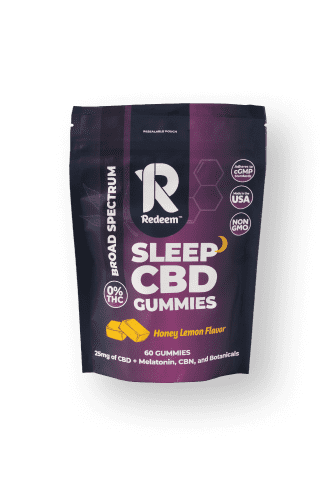
These personal accounts highlight the potential benefits of CBD gummies for individuals struggling with sleep disorders. According to Healthline, "CBD has been shown to have potential therapeutic benefits for a range of conditions, including chronic pain, anxiety, and insomnia." When it comes to understanding the effects and potential benefits of CBD gummies, expert opinions play a crucial role. The Cleveland Clinic advises that individuals taking these medications should consult with their healthcare provider before using CBD gummies. By understanding the potential health benefits of CBD gummies and using them as part of a comprehensive approach to health and wellbeing, individuals can potentially improve their overall health and quality of life. In addition to their potential health benefits, CBD gummies are also appealing due to their convenience and ease of use. By incorporating CBD gummies into their daily routine, individuals can potentially reduce their reliance on pharmaceutical medications and adopt a more natural approach to managing their health. Because of the chilled, yet focused effects these gummies give, many people use them specifically for ADHD and anxiety.00 (50-count) .These lightly flavored gummies are made with organic, broad-spectrum CBD and no artificial sweeteners. The effects of CBD gummies can vary from person to person, but common effects include relaxation, reduced anxiety, and relief from pain and inflammation. CBD gummies are a popular form of cannabidiol (CBD) consumption, offering a convenient and discreet way to experience the potential benefits of CBD. According to the Cleveland Clinic, CBD products, including gummies, have shown promise in reducing inflammation, improving sleep, and alleviating anxiety. CBD gummies have gained popularity in recent years due to their potential health benefits and ease of use. There have been a handful of studies looking at the effects and potential benefits of CBD on Alzheimer’s disease. Another study conducted in 2015 pointed towards cannabidiol being used as a potential treatment for opiate addiction. CBD gummies are a favorite among the cannabis community as they are a fun way to take your doses of cannabidiol. According to a study published on "Cannabidiol Adverse Effects and Toxicity - PMC - PubMed," CBD can have potential adverse effects, including liver damage and interactions with other medications. A study published on "Cannabidiol Adverse Effects and Toxicity - PMC - PubMed" found that CBD can have potential adverse effects, including liver damage and interactions with other medications. Before considering CBD oil or other CBD products, make sure you talk to your healthcare provider to decide whether it’s safe for you and to ensure it doesn’t have harmful interactions with any medications you’re currently taking. As of mid-December 2021, the FDA has only approved one cannabis-derived and three cannabis-related products, all of which you can safely get with a prescription from a licensed healthcare provider. Opiate drugs used for pain management carry a host of severe side effects, including addiction, disorientation, extreme sluggishness, and even death from overdose.
Among healthy individuals, analysis of the Coronary Artery Risk Development in Young Adults (CARDIA) Study did not demonstrate a longitudinal association between cannabis use and eGFR change, rapid eGFR decline, or prevalent albuminuria after 15 years of follow-up in 3765 participants . The National Academies concluded that substantial evidence exists for the use of cannabis and cannabinoids to treat chronic pain while meta-analyses and systematic reviews of cannabis use, including prescription cannabinoids, have given mixed results for treating chronic pain 85–87. Evidence supports the use of cannabis in patient populations without CKD for treating several of these symptoms including chronic pain, nausea, and loss of appetite. Additionally, 20% of these products were contaminated with THC that could potentially be detected on a urine toxicology screen. A study of 84 CBD products sold online found that 42% of products contained more CBD than stated on the label, 26% were overlabeled, whereas only 31% contained the stated amount . Inexperienced users who do not feel an effect right away may be tempted to overconsume innocuous appearing edible preparations that can lead to drug accumulation and prolonged adverse side effects. In fact, symptom relief may be obtained with THC doses lower than what is needed to induce psychotropic effects. The prevalence of cannabis use more than doubled between 2001 and 2013 in the United States particularly among people over the age of 50 and even more so among those over 65 years 2▪,3,4▪,5▪. Several countries worldwide have legalized recreational use whereas many others have medical cannabis and decriminalization laws. As of December 2019, 33 states and the District of Columbia have medical cannabis programs. The present review provides an overview of cannabis and cannabinoids with relevance to the practice of nephrology so that clinicians can best take care of patients. If you experience any negative side effects from CBD gummies, there are several steps you can take to help alleviate them . Staying hydrated can help alleviate this side effect, but it’s essential to be mindful of this potential issue when consuming CBD gummies. Another potential side effect of CBD gummies is dry mouth . One of the most common side effects of CBD gummies is drowsiness . These side effects are typically mild and temporary, but it’s essential to be aware of them before consuming CBD gummies. Some of the common negative side effects of CBD gummies include drowsiness, dry mouth, reduced appetite, diarrhea, and changes in weight . While CBD is generally considered safe and well-tolerated, some individuals may experience negative side effects when consuming these gummies. By understanding the benefits and risks of CBD gummies, you can make informed choices about incorporating them into your self-care routine. There are many CBD gummy brands available on the market, each with their unique products and benefits.
Further research is needed to determine the long-term effects of cannabis gummy use on liver health and to identify potential areas for future study. Current research suggests that cannabis gummies may have potential therapeutic benefits for liver health, but the risks of liver damage and disease cannot be ignored. While cannabis gummies may have potential therapeutic benefits for liver health, there are also potential risks to consider. The most common areas of human health where CBD gummies may come in handy include pain, sleep problems, and anxiety. It's essential to consult with a healthcare professional before using delta-8 THC products, especially if you have a pre-existing medical condition or are taking other medications. Despite these warnings, many people continue to use CBD gummies for pain relief, citing their perceived benefits and lack of side effects. It's essential to note that user reviews should not be taken as medical advice, and individuals should consult with a healthcare professional before taking CBD gummies for pain relief. These studies provide evidence for the potential of CBD gummies as a treatment option for chronic pain. A study published in the Journal of Clinical Psychopharmacology found that CBD significantly reduced anxiety and improved sleep quality in patients with chronic pain. The findings of this study are significant, as they provide evidence for the potential of CBD gummies as a treatment option for chronic pain. It's essential to consult with a healthcare professional before taking CBD gummies, especially if you have a pre-existing medical condition or are taking other medications. It's crucial to consult with a healthcare professional before taking CBD gummies, especially if you have a pre-existing medical condition or are taking other medications. In addition to these benefits, CBD gummies are also non-addictive and do not produce the same side effects as traditional pain medications. What are the side effects of CBD gummies.Whether for anxiety, pain, or sleep, find the perfect CBD gummy to fit your needs
While THC is the most popular cannabinoid and is well-known for producing the intoxicating effects of cannabis known as the “high”, CBD is non-intoxicating. However, just like with humans, sometimes cannabidiol can interact with certain medications. Given that CBD has anticoagulant effects, it can thin the blood, which can be dangerous for some people. It depends on how long the drug has been in your system and if you have any pre-existing medical conditions. These are but a few drugs that interact with cannabidiol. Like all other medications, CBD can also interact with certain drugs. The severity of drug interactions with cannabidiol can vary. This is not necessarily an adverse effect if you are going for it (there are plenty CBD products for sleep with added melatonin). Additionally, you could use cannabidiol instead of opioids because it can lower opioids side effects, cravings, and withdrawal severity. In rare cases, drug interactions with cannabis could lead to users fainting or even going into shock. However, higher doses of CBD and benzodiazepines could cause an additive effect, i.e., cannabinoids might increase the effects of the sedatives. The exact relationship between cannabinoids and sedatives, as well as potential CBD and drug interactions, is not known. Doctors usually prescribe them for anxiety and sleep disorders. So, you might want to avoid possible side effects from the frequent use of ibuprofen and cannabidiol and consult your physician about everything. Plus, it is not one of the medications known to have adverse effects when combined with grapefruit, so it’s safe to assume that the same goes for CBD. It is an NSAID (non-steroidal anti-inflammatory drug) that reduces inflammation and pain levels in the body. In addition to increasing the sedative effect of cannabidiol, they could also cause hypertension and tachycardia and enhance the side effects of CBD oil. Moreover, if you mix CBD with thyroid medication, their interaction can potentially result in subtherapeutic effects. Furthermore, since CBD can lower blood pressure, mixing it with other drugs can be dangerous for individuals who suffer from certain medical conditions. It can also be risky for some people because CBD has anticoagulant effects.
After 6 days of MK-801 treatment, various CBD doses were injected intraperitoneally (15, 30, 60 mg/kg) for 22 days. Schiavon et al. cite three studies that used chronic CBD administration to demonstrate its anxiolytic effects in chronically stressed rats, which were mostly mediated via hippocampal neurogenesis.19 and references therein For instance, animals received daily i.p. CBD treatment of up to 14 days (3–30 mg/kg b.w. i.p.) did not affect blood pressure, heart rate, body temperature, glucose levels, pH, pCO2, pO2, hematocrit, K+ or Na+ levels, gastrointestinal transit, emesis, or rectal temperature in a study with rodents.1 In this study, a dose–response curve should be established in male and female subjects (CBD absorption was shown to be higher in women) because the concentrations used here are usually not reached by oral or inhaled CBD administration. In contrast, phenobarbital, rifampicin, carbamazepine, and phenytoin induce CYP3A4, causing reduced CBD bioavailability.11 Approximately 60% of clinically prescribed drugs are metabolized via CYP3A4.1Table 1 shows an overview of the cytochrome inhibiting potential of CBD. Various drugs such as ketoconazol, itraconazol, ritonavir, and clarithromycin inhibit this enzyme.11 This leads to slower CBD degradation and can consequently lead to higher CBD doses that are longer pharmaceutically active. This is not withstanding, that a recent study measured Cmax values for CBD of 221 ng/ml, 3 h after administration of 1 mg/kg fentanyl concomitantly with a single oral dose of 800 mg CBD.10 A single dose of 600 mg led to reduced anxiety and mean CBD blood concentrations of 4.7–17 ng/ml.9 Before we discuss relevant animal research on CBD possible effects on various parameters, several important differences between route of administration and pharmacokinetics between human and animal studies have to be mentioned. Nonetheless, some side effects have been reported for CBD, but mainly in vitro or in animal studies. Moreover, neuroprotective properties have been shown.1,2 Consequently, it could be used at high doses for the treatment of a variety of conditions ranging in psychiatric disorders such as schizophrenia and dementia, as well as diabetes and nausea.1,2 This could improve patients' compliance and adherence to treatment. The majority of studies were performed for treatment of epilepsy and psychotic disorders. I have successfully fostered an open-minded, inquisitive community that is eager to learn more about the potential benefits of CBD.
These opposite brain effects may therefore underlie the neural basis for the antipsychotic and anxiolytic properties of CBD, and suggest that CBD might be able to counterbalance THC induced effects (Colizzi and Bhattacharyya, 2017). Importantly, striatum activity correlated with severity of psychotic symptoms after THC (Bhattacharyya et al., 2010; Bhattacharyya et al., 2012b), and divergent amygdala activity correlated with severity of anxiety after CBD and THC (Bhattacharyya et al., 2010). Based on a mechanistic account of these networks, these findings suggest that CBD might prove useful as treatment by restoring imbalanced networks in these and probably other neurological (Nenert et al., 2020) and psychiatric conditions, such as substance use disorders (Freeman et al., 2020). The acute administration of CBD in healthy volunteers modulated networks relevant for psychiatric disorders during resting state and several cognitive tasks, such as fronto-striatal and fronto-limbic circuitry. An intermediate activity was also reported in patients with psychosis after CBD administration during a memory task. In subjects at CHR for psychosis, CBD administration showed intermediate activity in brain areas involved in memory and reward processing compared to placebo and healthy controls. Compared to placebo, CBD decreased subjective anxiety and blood flow in a cluster consisting of the left parahippocampal gyrus and hippocampus, but enhanced blood flow in the right posterior cingulate gyrus (Crippa et al., 2011). Patients under placebo showed increased activation compared to controls in the right inferior frontal gyrus and left inferior and middle frontal gyrus during encoding, while having both increasing and attenuating effects in two different clusters in the left middle frontal gyrus. Healthy controls scored better on both encoding and recall of the task compared to patients (after CBD or placebo). During the scanning procedure all participants performed a verbal learning task, the same used in previously described studies (Bhattacharyya et al., 2009; Bhattacharyya et al., 2010; Bhattacharyya et al., 2018). Wilson et al. (2019) conducted a monetary incentive delay task in the same 32 CHR medication-naïve subjects and 19 healthy controls reported by Bhattacharyya et al. (2018). THC and CBD showed task-specific opposite effects during emotional processing (fronto-temporal), verbal memory (fronto-striatal), response inhibition (fronto-limbic-striatal), and auditory/visual processing (temporo-occipital). During resting state, CBD enhanced connectivity between fronto-striatal regions compared to THC, and cannabis with both THC and CBD increased connectivity within the salience network compared to cannabis without CBD. In summary, CBD and THC showed dissonant effects during resting state and during several cognitive tasks. A direct comparison of CBD and THC effects revealed significantly reduced activity after THC in the right superior and middle temporal gyrus during processing of speech.
Drug Enforcement Administration recognizes Cannabis as a Schedule I drug, meaning it has no currently accepted medical use and a high potential for abuse, which also prevented research. CBD can potentially interact with other medications, such as antiepileptic drugs, antidepressants, and opioid analgesics. One trial suggested an increased risk of liver injury among people using other epilepsy drugs (valproate and clobazam), but a later study did not. The FDA has also approved three cannabis-related drug products. One study showed that people took fewer opioids for pain when they were treated with CBD-rich hemp extract. Studies show mixed results for people who used low doses of CBD spray, applied under the tongue, to treat chronic pain. A 2021 study found that CBD helped improve anxiety for people with moderate to severe disorders, but it made people with mild anxiety more anxious. They reported less anxiety and better mood, sleep, and quality of life, and showed no serious negative side effects. It's legal for CBD products to have up to 0.3% THC, but the CDC warns that mislabeled CBD products may contain higher doses of THC, which can increase the risk of side effects. While positive results were reported on seizure improvement with doses ranging from 350 to 2,000 mg/day and on the quality of life for patients with ADRs following HPV vaccine, with doses ranging from 25 to 150 mg/day, after 12 weeks of treatment 31, 33. The authors suggested that large-scale placebo controlled studies are needed to investigate the effects of CBD as an adjunct treatment for psychiatric disorder . Most of the studies included in this review showed an improvement of anxiety levels after single doses of oral CBD with doses ranging from 300 to 600 mg 17-19, 21, 22, 24, 26, 27. The total number of reported patients, withdrawing from the study due to experience of side effects, was 16 in the CBD group. Irvin et al (2018) reported no effects of CBD-rich extracts (100 mg/day up to 250/day for 8 weeks) added to current treatment and administrated in the form of oral capsules to patients diagnosed with ulcerative colitis .
Although this could be beneficial for some patients with cardiovascular problems such as hypertension, in healthy people it could lead to dizziness or fainting. In some studies it has been linked to high doses, and therefore its incidence increases with increasing cannabidiol dose (6). "Patients are trying this and some people say they get benefits and others don't," says Dr. Janet White, medical director of the Cedars-Sinai Integrative Health Program. While neither the surgical nor nonsurgical treatments of spinal stenosis have proven to be more effective in practice, many of these patients are still experiencing pain that impairs function. These more conservative treatments can entail medications such as nonsteroidal anti-inflammatory drugs, anti-epileptics, anti-depressants and/or opioids, physical therapy, or epidural steroid injections. They observed that patients’ sleep scores improved and anxiety scores decreased . However, in this study, a handful of patients were given a higher dose of CBD, 50 mg/day to 175 mg/day. Given that this study only evaluated CBD without THC, it is possible that these four studies had better quality-of-life outcomes due to THC and CBD behaving in a dynamic and dose-dependent manner, modulating one another for more effective outcomes . The four long-term, prospective, open-label studies mentioned above evaluated THC and CBD, i.e., Ware et al. , Haroutounian et al. , Bellnier et al. , and Safakish et al. , all found improvements in measures of quality of life after medical marijuana treatment. While pain scores were the primary outcome we evaluated in this study, many other data points were collected, looking at the impact pain has on mental and physical health. Moreover, medical cannabis must be used under the guidance and supervision of a physician, with regular follow-ups to optimize the dose and monitor tolerability and adverse events. However, many of the adverse effects of medical cannabis stem from improper dosing of THC, suggesting that CBD may be a safer cannabinoid even at higher dosages . Medical cannabis has been shown to have pain-relieving properties in several different types of studies, including three short-term studies and several long-term studies . This observational, prospective, open-label study saw patients with chronic pain related to neurogenic claudication or radicular leg symptoms due to lumbar spinal stenosis at one or more levels show improvement from baseline in pain outcomes following the use of hemp-derived CBD gel caps. The number of patients who reported waking up from pain decreased over the study interval and was trending toward statistical significance.

This was shown in the preclinical data mentioned earlier and was also replicated in a small double-blind pilot study with individuals addicted to opioids, who have been abstinent for 7 days.52,53 They either received placebo or 400 or 800 mg oral CBD on three consecutive days. CBD might work to alleviate disorders of addiction, by altering the attentive salience of drug cues. A randomized, double-blind, crossover, placebo-controlled trial was conducted in 16 healthy nonanxious subjects using a within-subject design. In addition, no effects on peripheral cardiovascular measures such as heart rate and blood pressure were measured.54 This holds especially true for the extrapyramidal motor side effects elicited by classical antipsychotic medication.1 “CBD given postextinction (active after consolidation phase) enhanced consolidation of extinction learning as assessed by shock expectancy.” Apart from the extinction-enhancing effects of CBD in human aversive conditioned memory, CBD showed a trend toward some protection against reinstatement of contextual memory. Among other scales, the Mood Rating Scale (MRS) and the Bond and Bodily Symptoms Scale were used to assess anxiety, current mood, and physical symptoms. This strain showed significantly lower levels of anxiety and dejection. “Visual analog scale is one of the most frequently used psychometric instruments to measure the extent and nature of subjective effects and adverse effects. The validated subjective measures scales Anxiety (visual analog scale VAS), PANAS (positive and negative subscores), and OVAS (specific opiate VAS) were administered across eight time points for each session without any significant main effects for CBD for any of the subjective effects on mood.10
In most studies, participants used CBD concomitantly with another medication (see Table 1). The safety of oral CBD isolate use was assessed differently across studies. A visual summary of the characteristics from included studies from the systematic review. Three studies took place in Brazil, three in multiple countries, two in the United Kingdom, one in Australia, one in Canada, one in Germany, and one in the United States. Daily CBD doses included fixed doses (300 mg/day to 800 mg/day) and doses adjusted by weight (from 20 mg/kg/day to 50 mg/kg/day). The median number of participants per study was 62 (range 1.1–56.8 y). The risk of bias and the methodological quality of the studies were assessed using the Quality Assessment of Controlled Intervention Studies tool from the National Heart, Lung, and Blood Institute . Adverse effects were classified into mild, moderate, and severe according to the reported categories. The computer-based searches combined the words “(cannabidiol OR CBD) AND (randomized clinical trial OR double-blind OR placebo-controlled)” without language restriction. We included double-blind, randomized controlled clinical trials that reported data on adverse effects from controlled trials using repeated oral administration in humans with formulations containing purified CBD (≥98% CBD). Flowchart describing the systematic search strategy, including the identification, screening, and inclusion of relevant studies. As an update of a systematic review, the methodology used was similar to the previous study , with minimal adaptations when necessary (see Supplement). Cannabidiol (CBD) is a non-psychotomimetic phytocannabinoid with potential therapeutic properties across diverse physical and neuropsychiatric conditions due to its anti-inflammatory, analgesic, neuroprotective, anticonvulsant, and anxiolytic actions, among others . CBMPs can range from purified single compounds, commonly cannabidiol (CBD) or delta-9-tetrahydrocannabinol (THC), to complex mixtures of hundreds of components in multiple formulations (e.g., oils, solutions, capsules, sublingual sprays), various routes of administration (e.g., oral, inhalation, topical), and differ in their manufacturing processes and quality control . Serious adverse effects include mainly hypertransaminasemia with serum levels elevations greater than three times the upper limit of the normal (6.4%), seizures (1.3%), and rash (1.1%). The included studies were assessed for methodological quality by the Quality Assessment of Controlled Intervention Studies tool. We also updated the report of the most prevalent CBD adverse effects (AEs). We hope this article has been informative and helped clear the air regarding CBD and its products!
An open-label study of cannabis-based extracts for bladder dysfuntion in advanced multiple sclerosis. Long-term use of a cannabis-based treatment in spasticity and other symptoms in multiple sclerosis. Effects of ipsapirone and cannabidiol on human experimental anxiety. The efficacy of cannabidiol in the treatment of schizophrenia - a translational approach. Trembly B, Sherman M. Double-blind clinical study of cannabidiol as a secondary anticonvulsant. Hypnotic and antiepileptic effects of cannabidiol. And Campbell, F. Cannabinoids for treatment of chronic non-cancer pain; a systematic review of randomized trials. Rog, D. J., Nurmikko, T. J., Friede, T., and Young, C. A. Randomized, controlled trial of cannabis-based medicine in central pain in multiple sclerosis. A double-blind, randomized, placebo-controlled study on 160 patients. Wade, D. T., Makela, P., Robson, P., House, H., and Bateman, C. Do cannabis-based medicinal extracts have general or specific effects on symptoms in multiple sclerosis? Massi, P., Vaccani, A., Ceruti, S., Colombo, A., Abbracchio, M. P., and Parolaro, D. Antitumor effects of cannabidiol, a nonpsychoactive cannabinoid, on human glioma cell lines. Sellers call it ‘light weed,’ but the health effects and safety are largely unknown For one, there may be other treatments that could help with the specific underlying causes of any medical condition you may be facing. A urine test could pick up traces of THC for up to two to three days after use, and up to 30 days for people who use these products frequently. From January 1, 2021, to February 28, 2022, there were 2,362 delta-8 exposure cases, 41% of which involved kids under 18, and 70% required healthcare evaluation. That’s partially because some delta-8 products contain some level of delta-9 THC and delta-10 THC (another chemical compound of cannabis about which we know very little).
Consistent with recommendations regarding the use of tobacco and other smoked substances among patients with CKD and ESRD, smoked cannabis should be avoided among people with cardiovascular or pulmonary disease. Given the rapidly expanding market for cannabis, large-scale longitudinal studies are needed to explore the long-term effects of chronic and frequent cannabis use. Data from patients with CDOA cannot be generalized to all as cannabis does not have adverse effects on life in everyone 117▪. Conversely, sicker patients who may already have progressive CKD may be more inclined to use medical cannabis for symptom management. In addition, anxiety, depression, and insomnia are the most common psychiatric conditions that people self-treat with cannabis . State legalized consumption of cannabis is in conflict with federal law where it remains a Schedule I controlled substance without accepted medical use and a high potential for abuse. The federal stigma against cannabis in the United States, leading up to the Marihuana Tax Act of 1937 and the Controlled Substances Act of 1970, have strongly limited research and prevented teaching about the drug in medical education. Whole cannabis contains numerous cannabinoid compounds with different affinities, making the predicted cumulative effect on cannabis receptors, and potential renal effects difficult to predict. For example, chemovars with a higher concentration of THC are selectively produced for recreational use, because THC activation of CB1 mediates the psychotropic effects of cannabis, whereas medical cannabis generally has higher CBD levels than recreational chemovars, often even exceeding the THC content. Although generally well tolerated, safe without significant side effects, and effective for a variety of neurological and psychiatric conditions, consumers have easy access to a wide range of unregulated CBD products, some with inaccurate labeling and false health claims. Cannabis may have medicinal benefits for treating symptoms of advanced chronic kidney disease (CKD) and end-stage renal disease including as a pain adjuvant potentially reducing the need for opioids. As always, it’s best to consult with a healthcare provider before incorporating CBD gummies into your wellness routine to ensure they are safe and suitable for you. That By understanding and managing these side effects, you can enjoy the benefits of CBD gummies while minimizing any discomfort or unwanted symptoms . However, just like any other supplement or medication, CBD gummies also come with their own set of potential side effects . However, with the rise in popularity comes a growing concern about the potential negative side effects of CBD gummies. CBD gummies have taken the wellness world by storm, offering a convenient and tasty way to reap the benefits of cannabidiol (CBD). CBD (cannabidiol) is a non-intoxicating compound.When you consume properly dosed, legally prescribed CBD gummies in Australia, you won’t feel high or impaired. CBD gummies have plenty of benefits for your health journey. Some sleep-specific CBD gummies include melatonin, CBN (cannabinol), or L-theanine for amplified sleep benefits. Many people take CBD gummies in the evening to help themselves wind down into deep, restorative sleep.
Mean anxiety and sleep scores for adults using cannabidiol treatment. Descriptive statistics for anxiety and sleep scores among adults using cannabidiol treatment Two months after the start of CBD treatment, 78.1% (32/41) and 56.1% (23/41) of patients reported improvement in anxiety and sleep, respectively, compared with the prior monthly visit; again, 19.5% (8/41) and 26.8% (11/41), respectively, reported worsening problems as compared with the prior month. At the first monthly assessment after the start of CBD treatment, 79.2% (57/72) and 66.7% (48/72) of all patients experienced an improvement in anxiety and sleep, respectively; 15.3% (11/72) and 25.0% (18/72) experienced worsening symptoms in anxiety and sleep, respectively. All 72 patients completed sleep and anxiety assessments at the onset of CBD treatment and at the first monthly follow-up. A retrospective chart review was conducted of adult psychiatric patients treated with CBD for anxiety or sleep as an adjunct to treatment as usual at a large psychiatric outpatient clinic. These products are formulated to provide the potential health benefits of CBD without causing addiction or intoxication. Overall, while CBD gummies can offer benefits for some individuals, it’s essential to be aware of the potential negative side effects that may arise from their use . While many people turn to CBD gummies to help alleviate their anxiety, some individuals may actually experience an increase in anxiety symptoms after consuming these products . CBD gummies are easy to consume and make it possible for people to try out the benefits of CBD without having to worry about any possible side effects. You should also speak with your doctor about any side effects related to using cannabidiol products like capsules or gummies on an ongoing basis. It’s best to find a doctor who is knowledgeable about the benefits and side effects of cannabis products, and who can guide you through the process of finding the right fit for your specific needs.
Two studies were found by additional references, resulting in a total of 17 included studies (Figure 1). PubMed was searched for neuroimaging studies investigating the impact of CBD on human brain function published until May 2020. Neuroimaging techniques provide a highly useful insight into the human neural processes involved in the behavioral effects of cannabinoids. In addition, CBD has been shown to increase plasma levels of the endogenous cannabinoid anandamide, which was related to its antipsychotic effects (Leweke et al., 2012). It has been hypothesized that the antagonistic effects of CBD might be through negative allosteric modulation of the CB1 receptor (Laprairie et al., 2015; Rohleder et al., 2016). Animal studies have shown that CBD has no significant affinity with the cannabinoid receptors CB1 and CB2 (Bisogno et al., 2001; Jones et al., 2010), but may act as an antagonist of both in presence of CB1 agonists (Thomas et al., 2007). CBD effects are most likely related to the endocannabinoid system (Rohleder et al., 2016), although its precise mechanism of action is not yet fully understood. In this regard, CBD has been proposed as novel therapeutic compound in several psychiatric disorders, such as psychosis (Iseger and Bossong, 2015; Batalla et al., 2019), anxiety disorders (Blessing et al., 2015), substance use disorders (Chye et al., 2019; Freeman et al., 2020) and autism spectrum disorders (Poleg et al., 2019; Fusar-Poli et al., 2020). This included modulation of functional networks relevant for psychiatric disorders, possibly reflecting CBD’s therapeutic effects. Furthermore, CBD modulated brain activity and had opposite effects when compared to THC following task-specific patterns during various cognitive paradigms, such as emotional processing (fronto-temporal), verbal memory (fronto-striatal), response inhibition (fronto-limbic-striatal), and auditory/visual processing (temporo-occipital).
Another user shared that CBD gummies had a positive effect on their digestive health, but only when combined with other treatments, such as dietary changes or probiotics. Overall, the expert opinions and research findings suggest that CBD gummies may have a positive effect on digestive health and potentially alleviate diarrhea symptoms. In other words, many of the potential side effects of CBD are similar to the symptoms of gastroparesis — including nausea and vomiting, which CBD might also help with in some people By promoting relaxation, reducing stress, and alleviating pain, CBD gummies can help create a positive environment for digestive health, leading to improved overall well-being. Overall, CBD gummies have the potential to be a valuable tool in managing diarrhea, particularly when used as part of a holistic approach to health. As a holistic approach, CBD gummies can be used in conjunction with other treatments, such as dietary changes or probiotics, to promote overall digestive health. By promoting relaxation, reducing stress, and alleviating pain, CBD gummies can help create a positive environment for digestive health. By understanding the biochemical processes involved in the interaction between CBD and the ECS, individuals can make informed decisions about the use of CBD gummies for digestive health and potentially alleviate symptoms of diarrhea. CBD, or cannabidiol, is a non-psychoactive compound found in cannabis plants that interacts with the ECS to produce therapeutic effects. Understanding the relationship between CBD and digestive issues is crucial to determining the potential benefits and risks of using CBD gummies. Current research and studies on CBD and diarrhea are limited, but they provide some insights into the potential causes and effects. It is not medical advice and should not replace guidance from a healthcare professional.No statements on this site have been evaluated by the FDA. CBD gummies are becoming a popular choice for those looking to explore the effects of cannabidiol in a fun, tasty way. So far, there’s not much evidence on the medical benefits of CBD, partly because laws on marijuana made it difficult to study. One study reviewed all available studies on CBD toxicity and concluded that a maximum daily CBD dose of 1.42 mg/kg does not represent a risk for daily use (9), provided there are no contraindications.
Studies suggest that HFCS can have more detrimental effects on metabolic health than other forms of sugar, potentially leading to liver problems and insulin resistance. A 2018 study in Epilepsia showed that CBD could raise levels of the anticonvulsant clobazam, necessitating dose adjustments to avoid side effects. On the positive side, they are known for anxiety relief, pain reduction, and can aid in sleep and epilepsy management. While CBD gummies may offer potential benefits, we must approach their usage with caution and respect for the developing teenage brain. Educating teenagers and parents about CBD gummies should be a collaborative effort involving healthcare professionals, educators, and the community. This includes discussing the possible therapeutic effects on stress and anxiety, as well as potential side effects or interactions with other substances. While CBD is generally considered safe for most people, it can interact with medications and have varying effects on individuals. Furthermore, it is essential for parents and guardians to have open conversations with their teenagers about the potential risks and benefits of CBD gummies. However, a warning from Sydney in 2024 has shed light on the potential negative side effects of CBD gummies among this age group. On the other hand, ingestible CBD products, such as gummies or supplements, can serve seniors as an effective anti-anxiety remedy. CBN is specifically the one you’re probably hearing the most about right now, especially in terms of its potential benefits around improving sleep.
Many of these conditions are highly prevalent in older adults, specific to children and adolescents with severe illness, or otherwise clustered among persons with serious underlying indications for medical cannabis use. We further consider the underlying indications for CBD use and medications used for those disorders in the context of ADE/DDI risk and make general recommendations for co-prescribing (i.e., reduced dose) or avoiding certain combinations. Whole cannabis and hemp (a strain grown to have low THC composition) contain over one hundred other cannabinoids and hundreds more botanical compounds that may have their own biological effects 5,6. Particularly given the potential for other adverse drug events (ADEs) and drug–drug interactions (DDIs) with CBD. However, recognition that this general benignancy of CBD is perhaps only applicable to younger, healthier individuals using cannabis recreationally creates a tremendous patient safety concern in this new era. Consulting with a qualified healthcare provider can provide personalized guidance and reassurance regarding safe consumption. Importantly, consumers should be mindful of potential interactions between CBD and other medications they may be taking. These personal accounts serve as critical reminders that the efficacy and side effects of CBD gummies can vary widely. While some users praise CBD for its calming properties, this experience highlights the unpredictability of its effects on sleep patterns. Furthermore, a young individual who took CBD gummies for sleep reported vivid dreams that turned into nightmares. Another case involves a man in his 50s who sought CBD gummies as a natural remedy for chronic pain. Initially seeking relief for anxiety, she found that the gummies not only failed to alleviate her symptoms but also impaired her daily functioning. For instance, a 30-year-old woman reported severe drowsiness and an inability to focus after consuming a daily dose of CBD gummies for a week. Numerous case studies have surfaced, documenting individual encounters after consuming these products. Anecdotal evidence plays a significant role in understanding the negative side effects of CBD gummies, offering a glimpse into the varied experiences of users. Continuous dialogue among users and medical professionals is crucial for ensuring safe and informed usage of CBD gummies over time. Consequently, it’s essential for individuals considering long-term use to be mindful of these potential adverse effects.
Understanding the mechanism through which cannabis causes infarction may provide insight into the triggering of MI. A literature search indicates that relatively little is known about the relationship of cannabis use to CVD outcomes. The justification for examining cannabis consumption in relation to cardiometabolic conditions is that cardiometabolic conditions are among the leading causes of mortality and are highly prevalent in the USA. Since weight gain may lead to obesity which is central to metabolic syndrome (type II diabetes, hypercholesteremia, and hypertension), it is prudent to be vigilant about the societal use of recreational cannabis. The study highlights the importance of the animal's metabolic status for the effectiveness of ghrelin in promoting feeding and suggests that the peripheral endocannabinoid system may interact with ghrelin signal in the control of food intake under equilibrate energy balance conditions. They also tested a sub-anxiogenic ultra-low dose of the CB1 antagonist SR141716A (rimonabant) and the peripheral-acting CB1 antagonist LH-21 on ghrelin orexigenic actions. The spike in blood insulin concentrations observed under the placebo condition (likely due to intake of brownie) was blunted by cannabis administration. Results showed a significant drug main effect, as well as a significant drug × time-point interaction effect on insulin. Twenty participants underwent 4 sessions during which oral cannabis, smoked cannabis, vaporized cannabis, or placebo was administered. The study was performed in a randomized, crossover, double-blind, and placebo-controlled manner. Although existing data suggest that cannabis use influences food intake, appetite, and metabolism, human data in this regard are limited .
Some people desiring a more natural approach to treating acne may find that using CBD every day is the way to go. While there are a lot of topical and oral treatments for adult acne, everyone is different. This doesn't mean that CBD will stop people from getting cancer, but it may just reduce the risk of certain cancers, so that's just another reason to use it every day. According to a study from the California Pacific Medical Center, CBD is "the first nontoxic exogenous agent" that has the ability to monumentally "decrease Id-1 expression in metastatic breast cancer cells," which decreases how aggressive a tumor can be. Still, there is an astonishingly high number of cancer patients in the United States alone. That's a huge discovery for cancer patients across the world who now get the chance to not be so sick to their stomachs as they fight back against the disease. In fact, a 2010 study discovered that "orally administered synthetic cannabinoids (nabilone and dronabinol)" were actually better than "dopamine receptor antagonists" in fighting and inhibiting chemotherapy-induced nausea and vomiting. Fortunately, according to Healthline, CBD may "help reduce chemotherapy-induced nausea and vomiting, which are among the most common chemotherapy-related side effects for those with cancer." Although useful in treating cancer, chemotherapy tends to make people feel awful and causes a lot of stomach issues. The fact that placing a CBD gummy or oil under your tongue could potentially help with seizures is pretty amazing.
Table 1 shows that the effects identified in various cells may be consistent with animal studies, but not all studies have been equally validated. CBD will hinder the liver metabolism of other drugs ; for example, in patients taking another antiepileptic drug with hepatotoxicity, valproic acid, the hepatotoxicity risk of concurrent use of CBD increases. The impact of CBD on the liver usually occurs in the first few months of treatment, depending on the dose of CBD and the patient’s initial transaminase level . CBD has many formulations, such as oil, sublingual tablets, capsules, sublingual sprays, nasal sprays, and creams, found in dietary supplements, cosmetics, and animal health products . Since CBD acts on cytochrome P450 subtypes, it may cause interaction effects with other drugs, leading to an increase in the concentration of other drugs , which may, in turn, lead to adverse reactions to the drugs. In a randomized, double-blind, placebo-controlled study, administering 100 mg of CBD twice daily for 13 weeks positively impacted insulin resistance and glucose-dependent insulinotropic peptide in non-insulin-treated type 2 diabetes patients. Unfortunately, the beneficial effects of CBD on obesity have not been confirmed in current clinical studies. However, in this study, a derivative of cannabidiolic acid improved diet and gene-induced obesity and metabolic abnormalities . Future studies should pay greater attention to CBD’s pharmacokinetic properties, providing more detailed and tailored treatment plans that cater to specific demographics and diseases. CBD may have certain benefits in treating tumors and can be recommended, but current clinical studies lack rigor. In a multicenter, randomized, placebo-controlled study, CBD demonstrated efficacy in managing symptom burden in advanced cancer patients receiving standard palliative care . It plays a role in relieving pain in late-stage cancer-related pain and opioid-resistant patients . CBD is widely used to alleviate pain, nausea, cachexia, and other adverse reactions in cancer patients .
In addition, the safety and quality of CBD products are critical to ensuring a positive and safe experience. From dry mouth to potential liver problems, understanding these issues can help you make informed decisions about its use. These tests ensure that products are free of contaminants and contain the correct dosage of CBD, which is crucial to their safety and effectiveness. Tests conducted by independent laboratories are essential to ensure the purity and concentration of CBD in products. Therefore, it is crucial to choose products that are of high quality and manufactured with safe practices. Some products may not contain the amount of CBD indicated on the label, or may be contaminated with unwanted substances. CBD may interact with other medications by altering their metabolism in the liver, which could aggravate existing liver problems. For this reason, it is crucial to consult a doctor before starting to use CBD if you are taking other medications. Potential risks include drug interactions and possible liver problems. It is important to monitor these effects and adjust the CBD dosage as needed to achieve the desired goals. It is advisable to start with a low dose and gradually increase until the perfect balance is found for each individual. The amount of CBD consumed can significantly influence the occurrence of these effects. Therefore, it is crucial to find the right dosage that provides the desired benefits without causing excessive drowsiness. For example, these effects can interfere with daily activities, such as work or driving. This is particularly helpful for those who suffer from insomnia or sleep disorders. CBD can cause fatigue and drowsiness, especially when consumed in high doses. The most common side effects include dry mouth, fatigue, drowsiness and changes in appetite. These side effects can range from mild to moderate, and their occurrence can depend on factors such as dosage and individual sensitivity. When applied to the skin, some people may experience skin sensitivity or mild allergic reactions.
The gummies also have other benefits, such as reducing anxiety and promoting relaxation. Made with CBD oil and other natural ingredients, these gummies will help you drift off to dreamland without any anxiety or pain relief worries. Some people report that they have had good results using CBD oil as a sleep aid, while others say there are no significant side effects. CBD has been shown to help people sleep better by reducing anxiety and promoting relaxation. There are no known interactions between CBD sleep gummies and other medications. Frequently Asked Questions about CBD Sleep Gummies outlines the potential negative effects of using CBD for sleeping. The entourage effect theory suggests that the combination of cannabinoids, terpenes, and other compounds in cannabis work synergistically, potentially enhancing therapeutic effects. Each has a unique composition and potential effects on the body.Full-spectrum CBD contains all the naturally occurring compounds found in the cannabis plant, including other cannabinoids, terpenes, and up to 0.3% THC. Side effects related to CBD use for sleep disorders may include daytime drowsiness, especially when combined with other sleep medications. These side effects are generally mild but can be more pronounced when CBD is combined with other pain medications. CBD can interact with certain antidepressant medications, potentially altering their effectiveness or increasing the risk of side effects. Some studies have shown that CBD can reduce anxiety in social situations and may help alleviate symptoms of generalized anxiety disorder.However, the effects of CBD on mood disorders can be complex. CBD may have anxiolytic and antidepressant properties, making it a potential treatment option for anxiety disorders, depression, and PTSD. In rare cases, more severe side effects such as liver injury have been observed, particularly when CBD is used at high doses or in combination with certain anti-epileptic drugs. Additionally, consulting with a healthcare professional is crucial, especially for individuals with pre-existing health conditions or those taking other medications. It’s important to start with low doses, choose high-quality products from reputable sources, and monitor for any adverse effects when beginning CBD use. It’s important to note that serious side effects from CBD are relatively rare, and many of these concerns are based on high-dose studies or animal models. However, it’s crucial to approach these anecdotal claims with caution and consult with healthcare professionals before using CBD for any medical purpose. While research on CBD is still in its early stages, there is growing evidence to suggest that it may offer a range of potential health benefits.
Although rare, some people may be allergic to CBD or other ingredients found in CBD gummies, such as gelatin, sugar, or flavorings. Your doctor can provide personalized guidance based on your specific medications and medical history. CBD is known for its potential to promote relaxation and reduce anxiety. Therefore, it has the potential to compromise the metabolism of certain medications. The mechanism behind CBD’s health benefits proves that it’s not a biologically inert compound. Some people report mild nausea when taking CBD oil together with their thyroid medications. Some studies indicate that taking CBD and antibiotics together may amplify the effects of one another without any negative side effects. The potential side effects of interactions between CBD and Adderall may lead to decreased appetite. Ibuprofen is one of the Non-Steroidal Anti-Inflammatory Drugs (NSAIDs), meaning it can produce similar benefits to CBD in terms of inflammation and pain relief. Studies from the Indiana University Department of Medicine have provided a list of pharmaceutical drugs and medications which shouldn’t be taken with CBD. These products are best for musculoskeletal and localized pain. Your physician also understands how cannabidiol will interact with other prescription medications you may be taking. Since they know your medical history best and are up to date on scientific studies, they are your best guides. Even though CBD is natural, it’s good to be educated and aware of what the potential positive and negative effects could be. Different studies indicate that CBD may have many benefits.
Still, based on what we do know, CBG might turn out to be helpful for people suffering from symptoms of inflammation, pain, anxiety, glaucoma, bladder dysfunction and neurodegenerative diseases. Consulting with a healthcare provider is essential for personalised treatment decisions. It’s primarily used for its purported therapeutic properties, such as pain relief and anxiety reduction, without the psychoactive effects of THC. For this very reason, people with pre-existing conditions should talk to their doctor, BEFORE taking cannabidiol CBD, carefully monitor their body’s response to the supplement, and stick to lower doses just to be safe. These are just a few questions you might have regarding CBD products and its potential side effects. Several studies have investigated the use of CBD products for chronic pain conditions such as arthritis, neuropathic pain, and multiple sclerosis. A 2022 study suggests that CBD products interact with the endocannabinoid system, which plays a role in regulating pain sensation. All it means is that you should be more aware of the potential side effects and that it might be a good idea to communicate with your local GP before you introduce CBD products into your daily life. Fortunately, this does not mean you can’t reap the potential health benefits of CBD. CBD has been the talk of the town over the last few years due to its potential health benefits. If you notice any other effects, check with your healthcare professional. Using this medicine with any of the following medicines may cause an increased risk of certain side effects, but using both drugs may be the best treatment for you.
In Alaska, the Marijuana Control Board regulates cannabis. Colorado’s retail cannabis outlets are regulated by the Marijuana Enforcement Division in the state’s Department of Revenue, whereas the Liquor and Cannabis Board and Liquor Control Commission regulate Washington and Oregon cannabis outlets, respectively. Because cannabis is illegal at the federal level, the recreational and medicinal cannabis industries are regulated on a state-by-state basis. Further, among patients who understood the labels, only a minority could correctly demonstrate how to take the medication. Similar concerns have been identified when assessing consumer understanding of label information on prescription medications. For example, a study to assess consumers’ understanding of percent Daily Value (%DV)1 on food labels found that the majority of respondents could not define %DV and did not know how to use this information to select a diet low in fat (Levy, Patterson, Kristal, & Li, 2000). A nationally representative survey of US adults conducted by the US FDA found that 50 percent of adults reported that they often read the label on food products when buying a product for the first time and 29 percent sometimes read the label (Lin et al., 2016). Even if accurate drug content labeling for edibles can be achieved, this information is only useful if it is used and understood by consumers. Because cannabis is illegal at the federal level, the recreational and medicinal cannabis industries are not subject to federal quality control regulations, but rather are regulated on a state-by-state basis. Consequently, total Δ9-THC content in medicinal cannabis edibles may vary substantially from labeled amounts. Further, even among products reported to contain CBD, many contain only trace amounts or none at all (Vandrey et al., 2015). Yet, despite evidence of the value of including CBD in edibles, especially those intended for medicinal use, few edible manufacturers report the CBD content of their products. Nevertheless, when edibles contain high concentrations of Δ9-THC and low concentrations of CBD and other cannabinoids, their users may be at higher risk of experiencing adverse effects. Many of these compounds are eliminated during the processes used to make oils and butters from cannabis, such that edibles may contain high amounts of Δ9-THC and only a fraction of the cannabis plant’s other constituents. Additionally, consumer advocacy groups and states have launched campaigns to educate consumers about the potential dangers of consumption (Subritzky, Pettigrew, & Lenton, 2016). The autopsy identified cannabis intoxication as a chief contributing factor in the man’s death. In March 2014, a 19-year-old man died as a result of injuries sustained when he jumped from a fourth floor balcony after consuming a cannabis-infused cookie in the state of Colorado (Hancock-Allen, Barker, VanDyke, & Holmes, 2015).
This study has several strengths, including the size, geographic representation of the sample, wide age range of the respondents, and a focus on specific usage characteristics. Given this uncertainty, it is possible that some of the reported efficacy and the adverse effects may be in part due to the inclusion of other compounds in the CBD preparation, including THC. More than 20% contained detectable levels of THC.75 Since CBD-containing products are largely unregulated there is no obvious way for users to know the quantity of CBD, or other constituents, which may be present in the products they use. In 2015, an estimated 8.3% (∼22.2 million people) of individuals aged 12 years or older had used marijuana in the past month.69 The reason for the higher rate of Cannabis use among survey respondents is not clear, although one possibility is that Cannabis users would be more likely to have heard of CBD. This stands in contrast to the majority of marijuana users, who largely use THC-dominant Cannabis for recreational or nonmedical reasons.38 To our knowledge, this is the first published survey (aside from industry reports) that specifically analyzes CBD users, as opposed to overall Cannabis or medical Cannabis users. Seven hundred eighty-five (59.74%) of these effects were categorized as adverse (Table 5). The odds of regular Cannabis use were two to three times greater among those who reported feeling that CBD treated their medical condition “very well by itself” (OR, 2.32; 95% CI, 1.29–4.18) or “moderately well by itself” (OR, 2.92; 95% CI, 1.61–5.29; see Table 4). Almost 36% (35.80%) of respondents reported that CBD treats their medical condition(s) “very well by itself,” while only 4.30% reported “not very well” (Table 4). Duration of use was more variable, but the odds of using CBD to treat a medical condition were greater among those using it for Table 3). The odds of using CBD to treat a medical condition were 1.79 (95% CI, 1.46–2.19) times greater among respondents using it more than once per day compared with those using it daily (Table 3).
In comparison to other treatments used for epilepsy and psychotic disorders, CBD administration presented fewer side effects . Regarding safety issues, most studies reported no AEs with acute administration and mild to moderate adverse effects with chronic administration. In summary, 20 RCTs evaluated efficacy of CBD-use for schizophrenia, anxiety, Crohn’s disease, ulcerative colitis, dyslipidemia, nicotine addiction and cannabis use disorder. In another study side effects were monitored by answering question to a questionnaire . One study reported that side effects did not differ between the CBD and placebo groups after 8 weeks of follow-up , and another study reported a decrease of AEs 12 weeks after CBD initiation . In most studies reporting on AEs 20, 28-30, 35-38, 40, 41, CBD was administered chronically, with follow-up ranging from 6 to 48 weeks, except for two studies where AEs were reported after a single dose of CBD (600 and 750 mg, respectively) 20-41. The effect of oral administration of CBD (20 mg/day for 8 weeks) on disease activity assessed by the Crohn’s disease activity index was evaluated in a small group of patients with long-standing Crohn’s disease taking concomitant medications. In one trial, 200 mg/day was administered for 13 weeks as an adjunct to current treatment to patients with type 2 diabetes. Three RCTs, all individually randomized parallel group, reported on different medical conditions (one study for each category) 28-37. After overnight tobacco abstinence single doses of 800 mg of CBD reduced the salience and pleasantness of cigarette cues which indicate that CBD may have a potential effect on motivational aspects of addiction . Hallak et al (2010) included a small group of heterogeneous schizophrenia patients and administered a single dose of CBD (300 or 600 mg). CBD was administered orally, in the form of oral gelatin capsules with doses ranging from 600 to 1,000 mg/day and the effects were compared to a placebo and active control. This measure was based on the hypotheses that drug anxiolytic effect should be manifested through changes in responses to negative stimuli, which also occur with single doses for common anxiolytics . Single oral doses of 400 and 600 mg decreased anxiety and increased mental sedation measured with visual analogue mood scale in two individually randomized cross-over trials 21, 22. Linares et al (2018) and Zuardi et al (2017) also tested other doses and observed no effect on anxiety levels after acute administration of 150, 600 and 900 mg of CBD on anxiety levels. Anxiety was the main outcome in eight studies, while possible anxiolytic effects were evaluated in the remaining three studies, through indirect measures such as emotional processing, reactivity to negative stimuli, etc.
The review noted that CBD gummies may increase the levels of THC in the body, which can cause a range of side effects, including psychoactive effects. A recent study published on Healthline found that high doses of CBD may cause liver damage in some individuals. Research has shown that CBD gummies may have anti-inflammatory and antioxidant properties, which could be beneficial for liver health. A healthy amount of anxiety can keep you safe from harm and motivate you to take action It’s about the unknowns, including the unregulated nature of most products and the possible inclusion of enough THC to flag a drug test. Plus, there’s a chance these effects won’t go away when the effects of the drug wear off. While the number of states that have legalized some form of marijuana — whether for medical or recreational use — has dramatically increased in recent years, cannabis containing THC remains illegal on a federal level. “The science isn’t there yet,” says Dr. Streem, adding that while there are scientific studies backing the use of CBD for the previously mentioned seizure conditions, no such high-quality data exists for CBD and anxiety yet. “In these cases, the more common seizure medications don’t work very well.” CBD is part of a treatment package that includes other medications and even brain surgery. This systematic review can benefit other researchers and even ordinary people eager to know the latest updates on CBD research on chronic pain. Some observational and clinical studies lead to CBD’s effectiveness and safety in chronic pain; however, the evidence is not strong enough to obtain a proper recommendation. Although CBD and THC come from the same cannabis plant and have almost identical chemical structures, they attach differently to a CB1 receptor, eliciting different effects. Hence, there is a limitation in conducting studies on CBD products. A systematic review of the efficacy and safety of pure CBD products was initially planned, but there are limited studies and articles available. When evidence of CBD’s pain relief is fully recognized, guidelines need to be applied to the health insurance business to lessen its financial burden on the patient. More published reviews and studies show promising results for the effect of CBD on pain relief, yet there is difficulty in making any recommendations. However, more minor studies are focused on using pure CBD products, which are nonintoxicating. However, there is a challenge for patients to report the actual outcome observed because health insurance covers opioid medication but not CBD. In a similar cross-sectional survey with 1087 patients, Boehnke et al. determined the relationship between the route of administration, CBD content, and timing of use in managing chronic pain . The secondary outcome reported that 89 (94%) improved quality of life as measured by pain and sleep-related open-ended questions.
Furthermore, patients at our clinic often express a desire to reduce or to avoid use of psychiatric medications, which may contribute to an enhanced placebo effect or additional bias. Likewise, the clinical population in this case series is skewed younger than typical for our clinic, and future studies could explore the possible selection bias inherent in this treatment option. The doses used in this study (25 mg/d to 175 mg/d) were much lower than those reported in some of the clinical literature (300 mg/d to 600 mg/d)12–14,17 for 2 reasons. In an outpatient psychiatric population, sleep scores displayed no sustained improvements during the 3-month study. Nearly all patients easily provided informed consent once the nature of the treatment was explained. The treatment with CBD was in general well accepted, as judged by the clinicians’ and patients’ responses. Two patients discontinued treatment within the first week because of fatigue. CBD was well tolerated, with few patients reporting side effects. The anxiety scores decreased within the first month and then remained decreased during the study duration. Patient records displayed a larger decrease in anxiety scores than in sleep scores. These results demonstrated a more sustained response to anxiety than for sleep over time.
Biopsied kidney samples from patients with either IgA or diabetic nephropathy have shown elevated expression of CB1 mRNA (29). Another study showed that infusion of AEA into the renal medullary interstitium led to a rapid diuretic effect through a CB1-dependent mechanism (30). To date, however, there remains limited information as to the specific effects of endocannabinoids on renal hemodynamics, including control of blood flow parameters and its direct impact on blood pressure. The systemic cardiovascular effects mediated by the endocannabinoid system have been extensively studied and reviewed elsewhere (35, 45, 48). Given the role of these ligands in the activation of the CB receptors under physiological conditions, dysregulation in the synthesis and metabolism of various components of the EC system in disease states has the potential to have pathophysiological consequences. Table 1 provides a summary of the studies describing CB1 or CB2 expression changes and localization in the kidneys from mice, rats, and humans. Even though there is a common G protein subunit that facilitates the actions of the CB1 and CB2 receptors, their signaling output can be distinct and, in some cases, lead to opposite biological effects. Percentage marijuana use during the past 12 mo among people aged ≥12 yr, overall and by age group. On the basis of United Nations Office of Drugs and Crime data, the prevalence of cannabis use was 16.2% in the United States in 2014 (Fig. 1). In the 1990s, California was the first state to approve medical use of marijuana for select diagnoses. However, in 1937, the Marijuana Tax Act was passed, and federal prohibition started, which then led to criminalization of its use, culminating in the 1970s and 1980s with a war on drugs and the placement of marijuana in the most restricted drug category. Currently, two synthetic cannabinoids, dronabinol (schedule III) and nabilone (schedule II), are approved by the FDA for clinical use in patients (5). Cannabis and products derived from it have been widely used for recreational and/or medicinal purposes dating back to 4000 B.C. Furthermore, a better understanding of the impact of exocannabinoids and endocannabinoids on the renal system may lead to the development of new drugs to treat kidney disease and its complications. The two different types of receptors (CB1 and CB2) that are activated by the pharmacologically active ingredients of cannabis are found in numerous tissues, including the kidneys. Furthermore, regulatory changes are fostering a cultural shift toward increasing liberalization of cannabis use, thereby increasing the likelihood of even larger numbers of individuals being exposed in the future. Again, this study was very small and took place over 30 years ago, but it's something to keep in mind.
It should be noted that neutral forms occur in the growing plant at low concentrations, and only during the heat treatment of the raw material (burning, baking) are they formed in large quantities . Aside from the type of tissue, the concentrations of bioactive compounds in cannabis depend on variety, growth conditions, growing stage, harvest time and conditions of storage 3,41. The biosynthesis and storage of cannabidiol, and other phytocannabinoids, occurs in the glandular trichomes present mainly on female flowers. It was first isolated from cannabis by Adams et al. in the UK and from hashish by Jacob and Todd in the USA in 1940. Sativex® is administered as an oral spray and was developed to relieve the symptoms of spasticity in patients with multiple sclerosis . In the European Union, CBD currently has only orphan drug status in several diseases, such as epileptic syndromes (listed above and West syndrome), perinatal asphyxia, tuberous sclerosis, graft versus host disease and glioma (combined with THC in the latter one) . It is a liquid preparation containing CBD (100 mg/mL) of plant origin and indicated for use in severe drug-resistant epilepsy manifest during early childhood such as Dravet syndrome and Lennox-Gastaut syndrome . Comparison of the main cannabidiol and Δ9-tetrahydrocannabinol properties 4,6,8,9,10,11,12,13,14,15,16,17,18,19,20,21,22,23,24,25,26,27,28,29,30,31,32,33. More than 100 phytocannabinoids have been identified, and the two best known of them (for a comparison, see Table 1) are Δ9-tetrahydrocannabinol (THC, more precisely its isomer (-)-trans) and cannabidiol (CBD). Nevertheless, further clinical research is needed to recommend the use of CBD in the treatment of cardiovascular diseases. Administration of CBD to healthy volunteers or animals usually does not markedly affect hemodynamic parameters. Researching your vendors is essential if you want to avoid scammers and companies with no idea how to make CBD gummies. CBD gummies are available in different cannabinoid spectra, all of which can affect your experience. Just keep in mind that while some effects can be noticed right away, sometimes, CBD may need more time to level the deficiencies in your endogenous cannabinoids. Once you know your goals with CBD, find the right potency and formula to address your anxiety issues. Every user has a different opinion on CBD products because of the differences in taste, preferences, and dosage needs. CBD is also known to interact with many pharmaceutical medications, so if you take any medication, consult the use of CBD with your doctor. As mentioned, there is no one-size-fits-all dosage of CBD for anxiety and depression. Although CBD has many forms, gummies are the most enjoyable method for those who don’t like smoking or vaping. If you’re wondering why you choose CBD gummies over CBD oil, we would say the ease of use, convenience, discreteness, and taste makes them worth the try.
It is essential to identify brands that highlight their extraction methods and provide proof of lab testing, ensuring that the products are both safe and effective. Products that are third-party tested provide additional assurance of the quality and potency of the gummies. One major factor to consider when evaluating the quality of CBD gummies is the source of hemp from which the CBD is derived. Variations in quality across different brands can lead to inconsistent dosing, which may result in unexpected side effects. As research is still ongoing, and the individual response to CBD can vary, medical guidance is paramount. A significant concern arises with the increased levels of warfarin in the bloodstream, potentially elevating the risk of bleeding. Studies have shown that CBD can inhibit cytochrome P450 enzymes, which are responsible for metabolizing various drugs. This phenomenon, often referred to as “cottonmouth,” occurs when the cannabinoids interact with the body’s endocannabinoid system, potentially inhibiting saliva production. Unlike tinctures or capsules, gummies resemble ordinary candies, making them a convenient option for those who may be hesitant to use more traditional forms of CBD. Additionally, many brands offer gummies that are vegan or organic, appealing to a broader audience concerned about dietary restrictions and sustainability. Manufacturers often produce these gummies in varying strengths, allowing users to choose based on their individual preferences or needs. The composition of CBD gummies includes various ingredients, such as sugar, gelatin, flavoring agents, and, most importantly, CBD oil. His number one priority is introducing the same products that he himself uses for relief to others who can benefit from them. But side effects can occur on an individual basis. Drink plenty of water, reduce dosage, or stop taking CBD if any unpleasant side effects occur. However, some minor side effects like dry mouth, diarrhea, and fatigue may occur. CBD gummies are considered generally safe and well-tolerated, according to research. Most CBD gummies contain between 5-25mg of CBD per gummy. Their stories provide practical insights for others who might be considering or currently using CBD gummies. These testimonials underscore the importance of personalization in using CBD gummies.
As we navigate the landscape of CBD gummies in Sydney and beyond, it is crucial to remain proactive in understanding its effects on teenagers. Education plays a pivotal role in guiding teenagers and parents to make informed decisions about the use of CBD gummies and to recognize potential risks. Teenagers with pre-existing medical conditions or those taking medications should seek medical advice to ensure CBD is safe for them. It is essential to provide accurate and accessible information about CBD, its potential benefits, and possible risks. As the popularity of CBD gummies continues to rise, it becomes increasingly important to educate both teenagers and parents about these products. Encouraging responsible usage and discouraging experimentation with CBD gummies can help minimize any adverse effects and ensure a safer environment for teenagers. Emphasizing the significance of purchasing CBD gummies from trusted sources can help reduce the chances of exposure to unsafe products. This lack of oversight poses a significant risk to teenagers, as they may unknowingly consume products with unintended effects. Inadequate regulation can result in mislabeled products, potentially containing higher levels of THC or other harmful substances. CBD products, including gummies, are widely available in the market, making it crucial to ensure that they meet industry safety standards and are appropriately labeled. Open communication and education about the potential risks of CBD gummies can help prevent substance abuse and promote responsible CBD usage among teenagers. It is essential for parents, educators, and healthcare professionals to be vigilant and monitor teenagers’ CBD usage to identify any signs of substance misuse.
Food, drinks and beauty products are among the many CBD-infused products available online. However, further research is needed to determine CBD's other benefits and safety. A prescription cannabidiol (CBD) oil is considered an effective anti-seizure medication. In this article, we explore these concerns and discuss how best to avoid any negative side effects with CBD. CBD gummies have became wildly popular over the last few years, and they have essentially been at the forefront of public opinion regarding marijuana as a legal substance. This makes them ideal for anyone who doesn’t want to experience any side effects while they’re trying out this alternative method of consuming cannabinoids! CBD gummies are made from hemp oil extracted from plants grown in the United States. You can find them in dispensaries and online, but they’re also available at grocery stores and health food stores. CBD gummies are a type of edible product that’s been around for quite a while, but they’re becoming more popular than ever before. For most users, this isn’t an issue because it’s impossible to get high from CBD products. If you’re trying to decide whether CBD gummies are right for you, then knowing what is in them can help you make the right decision.
Understanding CBD and Its Role in Emotional Health Cannabidiol, commonly referred to as CBD, is a naturally occurring compound found in the cannabis… By lowering anxiety levels, CBD may indirectly improve cognitive functions such as focus, attention, and memory processing. When conducting actual research or seeking information, it’s crucial to consult peer-reviewed articles, clinical trials, and reputable medical sources to ensure accuracy and reliability. Alex’s case highlights the potential role of CBD in supporting cognitive recovery following brain injuries. No significant side effects were reported, and her overall quality of life improved. She began with a low dose of 20 mg daily, monitored under the guidance of her doctor. It is important to note that while the initial findings regarding CBD’s impact on cognitive function and memory are promising, much of the research is still preliminary and conducted on animal models or in small-scale human studies. The impact of CBD on memory is a complex area of study, with research yielding mixed results. CBD interacts with the body’s endocannabinoid system (ECS), which plays a crucial role in regulating a variety of physiological and cognitive processes, including mood, pain sensation, appetite, and memory. Do these cannabis courses offer value for money? Why some people get higher than others You should also consult with a doctor to check if they can give you any medical advice regarding what to do if you experience an allergic reaction. It’s a great idea to begin with a small amount of CBD to check if you notice any adverse side effects. Full-spectrum CBD products contain a variety of compounds, and it can be difficult to tell what caused the bad/allergic reaction. People with plant allergies are often advised to try to avoid CBD products, especially full-spectrum ones. When it comes to selecting the best and most effective CBD, it really comes down to trial and error and testing out as many products as you can. CBD allergies, on the contrary, have different effects.
While different situations call for different doses, a good rule of thumb is to give your dog 2mg of CBD for every 10 lbs of body weight, or 0.2mg per pound. This is because most bones don’t contain enough CBD to render strong therapeutic benefits from a single chewing session. If your dog loves bones, a CBD dog bone is a great way for them to engage in an activity they enjoy while also soaking up the benefits of CBD. The downside is that it’s harder to break treats down into exacting doses. CBD treats offer a fixed-dose delivery method, making it easy to deliver the same dose of CBD to your dog each time. Therapeutic use often requires that you give your dog a very specific dose of CBD, and that you slowly increase it over time. The benefit of choosing oil-based CBD delivery for your dog is that you can measure very precise doses. CBD oil for dogs typically consists of carrier oil, hemp extract, and added terpenes (hemp compounds with additional benefits). You can give your dog human CBD products, however, sticking with products designed specifically for pets ensures the product is low-THC and designed to be appealing to dogs. By contrast, most pharmaceutical drugs for dogs target a single process in the body. However, what we know so far indicates that CBD promotes canine health through a variety of mechanisms. Instead, it renders its benefits by exerting a general supportive effect on the ECS in dogs. To understand how CBD renders benefits for dogs, you need to start with the endocannabinoid system (ECS). By addressing things that make your dog not want to eat, CBD may promote a healthy appetite for your dog. While more research on CBD’s direct impact on appetite is needed, anecdotal evidence suggests that CBD may help stabilize dogs’ appetites because of its wide range of therapeutic benefits. Another study, which examined 8 dogs with canine atopic dermatitis (CAD), found that CBD “decreased the occurrence of itching in dogs with CAD when ingested twice a day .” While the study found that CBD did not impact activity levels, it did find that CBD may exert an antipruritic, or anti-itching, effect .
Among various forms of consumption, CBD gummies have emerged as a preferred choice for many individuals seeking a discreet and enjoyable way to consume CBD . A few separate rooms are dedicated to house arrest people who make mistakes in the family, let them think about it here. Additionally, we found novel evidence of age moderating a positive association between reported average strength of CBD concentration and both better sleep duration and efficiency. Furthermore, subjective sleep measures have demonstrated reliability and consistency problems when compared to objective measures of sleep behaviors (such as actigraphy)86–88. We relied on self-report measures which limited our knowledge of the exact concentration of CBD/THC, thus our responses could have potential recall bias and response error. Our sample was mostly women and consisted of individuals who met criteria for mild anxiety disorders. However, some research has found CBD has no effect on sleep85 and further investigation is needed to understand its influence alone and in combination with varying ratios of THC. None of these significant main effects nor the significant interaction terms survived multiple correction tests but several of these were trending in significance in their adjusted p values. These findings demonstrate both trending and significant associations of the older age group on these sleep outcomes in comparison to non-significant relationships in the younger age group. Individual variable effects of regression model results for all PSQI measures by reported average CBD concentration controlling for gender, AUDIT, DASS, age, and the interaction of age and CBD concentration. Individual variable effects of regression model results for all PSQI measures by reported average THC concentration controlling for gender, AUDIT, DASS, age, and the interaction of age and THC concentration. Table 4 displays the frequencies of the reported average THC and CBD concentration of cannabis. Lower scores indicate less sleep difficulty and higher scores indicate severe difficulty and worse sleep. Contrastingly, due to an inadequate distribution across the four responses for three of the PSQI subscales (sleep duration, sleep quality, and sleep medication), we conducted ordinal logistic regression for all models containing those specific variables. Linear regression is largely robust to minor distributional issues when the sample is of an adequate size68 and the skewness and kurtosis measures for our PSQI subscales of sleep were within reasonable thresholds69 thus appropriate for linear regression. The questions can also be scored to make subscales of sleep efficiency, sleep latency, sleep quality, sleep disturbances, sleep medication, and daytime dysfunction. The first four questions ask participants to report on their bedtime, waketime, time to fall asleep, and sleep duration. The PSQI is a 19-item self-report measure that assesses individual sleep habits, sleep quality, and sleep outcomes. Subjects reported on their past two week sleep behavior via the Pittsburgh Sleep Quality Index (PSQI)58 (a modification of the standard PSQI which typically looks at past month sleep outcomes). Similar self-reports amongst cannabis users who are aware of the THC/CBD potency of the cannabis they use show consistency across different time points and methods57.
CBD gummies are edible products that contain cannabidiol, a compound found in the cannabis plant. CBD is the ingredient in many CBD products that claim to help with everything from pain and soreness to anxiety, depression, and sleep problems. He had legally purchased cannabidiol (CBD) gummies marketed for pain and anxiety relief at a gas station several hours prior. When people are looking to experience the wide variety of health benefits that have been attributed to cannabis, but want to avoid getting high, CBD from hemp is what they should look for. Additionally, CBD can interact with certain medications, so it is crucial to consult a healthcare professional before using CBD gummies, especially if taking other medications. First, CBN is a by-product of aging THC, and studies show that aged cannabis has potential sedative effects. CBD (cannabidiol) is a compound found in hemp that may help with things like stress, sleep, and pain—but without the mind-altering effects of THC. The potential health effects of using CBD products during pregnancy are currently unknown. Real-life testimonials from users of CBD gummies for sleep improvement provide valuable insights into the effectiveness and potential drawbacks of these products. While CBD gummies offer potential benefits for sleep improvement, it’s essential to prioritize safety and take necessary precautions to ensure a positive experience. It’s essential to consult with a healthcare professional before using CBD gummies, especially if you are taking medications that may interact with CBD. Additionally, consulting with a healthcare professional before incorporating CBD gummies into your routine can help mitigate potential risks and ensure safe usage.
These preparations not only possess varying doses of CBD (range 5–20 mg) but also usually contain other cannabinoids. Indeed, the ambiguous legal status of CBD has allowed its presence in over-the-counter preparations (labeled as health or food supplements) that have not been evaluated in clinical trials and are readily available at hemp shops. It is currently used for controlling spasticity in patients with multiple sclerosis. In the European Union and Canada, Sativex®, an oromucosal spray consisting of both CBD and Δ9-THC, was the first CBD-containing drug approved. In fact, this alkaloid compound has garnered attention for its anti-inflammatory, anti-oxidant , analgesic , and anticonvulsant effects. While both have become a major staple in cannabinoid research, according to the World Health Organization, CBD lacks the latter’s psychoactive and abuse potential . However, most of the studies included in the present review raised some concerns in terms of risk of bias. This systematic review suggests that cannabidiol has an anorexigenic effect, correlated with a decrease in body weight. Of these, the majority reported on cannabidiol reducing appetite and/or body weight whilst some have found no significant changes and one trial described an increase in appetite. Cannabidiol, one of the main components of the Cannabis sativa plant, is a non-psychotropic cannabinoid that has recently drawn the attention of researchers and clinicians for its potential therapeutic applications. No detail is too small and could help your doctor figure out what’s triggering your sleep issues. Ask about nondrug ways to get a good night’s rest. A larger amount might raise your odds of poor sleep. If you try a dose that doesn’t help, “wait it out.” Sexton says you can raise your dose by 50% the next night. The effects kick in after 1 to 3 hours, she says, and could last for 6 to 8 hours. “I typically stick with the oral dose because of how long it lasts, and it comes on more slowly,” she says. Sexton says a 2-milligram dose is a good place to start. She says it can have an “alerting” effect for some people. Tell them if you have other health problems or you take any other medication.
The intended use of CBD gummies is to provide a relaxing and calming effect, which can be beneficial for individuals dealing with stress, anxiety, or insomnia. They are designed to provide a convenient and discreet way to consume CBD, which is believed to have various health benefits. CBD gummies are a type of cannabis edible that contains CBD oil, which is extracted from the cannabis plant. While THC is known for its psychoactive properties, CBD is valued for its potential therapeutic benefits. Common side effects include fatigue, dry mouth, nausea, changes in appetite, and potential mood changes. For those interested in exploring CBD, it’s critical to find high-quality products, employ a low-dosage strategy, and consider alternative methods of consumption if gummies prove problematic. For those who may be uneasy with the negative digestive side effects linked to gummies, alternative methods of consuming CBD are worth exploring. Users seeking to manage weight or maintain a healthy diet may find CBD gummies problematic when they don’t consider these nutritional aspects. Brands market these treats as health supplements while they, in fact, contain high sugar levels that can counteract health benefits. Another unexpected finding within the 2025 study is the influence of sugars and overall caloric content in CBD gummies. As consumers become more health-conscious, they are urged to critically analyze the ingredient labels before indulging in any CBD products. While many users initially seek CBD for its reputation for anxiety relief, the recent study found that some individuals experienced heightened anxiety or mood instability following consumption. Another layer to consider when evaluating the negative side effects of CBD gummies pertains to psychological reactions. Physical side effects related to CBD gummies may not appear alarming at first. However, a groundbreaking study conducted in 2025 has begun to shed light on the negative side effects that may accompany these seemingly benign treats. Consult with a physician before use if you have a serious medical condition or use prescription medications. Like all our CBD products, our CBD gummies are USDA-certified organic through every step of the process. It’s always a good idea to speak with your healthcare provider before starting a new supplement, even one as natural and generally well-tolerated as CBD. It’s possible that even the recommended starting dose will be too much for some people.
This surge is likely due to the excitement behind potentially new medical breakthroughs and the desire as a culture to shift towards therapies that are more “natural.” However, most products, such as the one purchased by this patient are unregulated. Bag of CBD gummies consumed by patient marketed as a healthy solution for pain relief. He had legally purchased “CBD gummies” marketed for pain and anxiety relief three hours prior to his presenting to the emergency department, hoping they would help relieve pain from a recent back injury (Figures 1, 2). He felt the products were healthy and safe based on packaging and therefore did not believe they would have any adverse effects. In a placebo-controlled, randomized, double-blind study with 62 subjects with noninsulin-treated type 2 diabetes, 13 patients were treated with twice-daily oral doses of 100 mg CBD for 13 weeks. In a study with a total of 21 Parkinson's patients (without comorbid psychiatric conditions or dementia) who were treated with either placebo, 75 mg/day CBD or 300 mg/day CBD in an exploratory double-blind trial for 6 weeks, the higher CBD dose showed significant improvement of quality of life, as measured with PDQ-39. The only exception seems to be a multicenter open-label study with a total of 162 patients aged 1–30 years, with treatment-resistant epilepsy. Important clinical parameters improved in the CBD group and the number of mild side effects was comparable to the placebo group.2Table 2 shows an overview of studies with CBD for the treatment of psychotic symptoms and its positive effect on symptomatology and the absence of side effects.69 Chronic studies in humans may, for instance, help to test whether, for example, an anxiolytic effect always prevails after chronic CBD treatment or whether this was an artifact of using different animal models of anxiety or depression.2,18 The CBD interaction with isozymes CYP3A4 and CYP2C19 caused increased clobazam bioavailability, making it possible to reduce the dose of the antiepileptic drug, which in turn reduced its side effects.62 Nonetheless, we also included these studies with repeated CBD treatment, because we think that compared to a one-time dose of CBD, repeated CBD regimens add value and knowledge to the field and therefore should be mentioned here. Eleven healthy volunteers were treated with 300 mg (seven patients) and 600 mg (four patients) oral CBD in a double-blind, placebo-controlled study. Interestingly, anxiety measures were also reduced after treatment, whereas no adverse effects were described.23,58 A Dutch study compared subjective adverse effects of three different strains of medicinal cannabis, distributed via pharmacies, using VAS. In a double-blind, placebo-controlled crossover study, CBD was coadministered with intravenous fentanyl to a total of 17 subjects.10 Blood samples were obtained before and after 400 mg CBD (previously demonstrated to decrease blood flow to (para)limbic areas related to drug craving) or 800 mg CBD pretreatment. Tumor volume was reduced by 60% and no adverse effects of treatment were described in the study. Various studies have been performed to study CBD anticancer effects. Thickening of the synovial membrane, and nociceptive sensitization/spontaneous pain in a dose-dependent manner, after four consecutive days of CBD treatment. However, the higher dose caused a decrease in neurogenesis and cell proliferation, indicating dissociation of behavioral and proliferative effects of chronic CBD treatment.
We included studies across a range of treatment indications which aids generalizability to different patient groups in clinical practice. Rimonabant, a selective inverse agonist at the CB1 receptor, reduces appetite and weight and was approved as a treatment for obesity before being withdrawn because of adverse psychiatric side effects . An increased incidence of diarrhoea in CBD-treated individuals is consistent with data from a small experimental study, which found that single doses of CBD, 1.5 g and 4.5 g, produced diarrhoea in 10% and 20% of participants, respectively . Again, these events only occurred in patients prescribed high doses of CBD (10–20 mg/kg/day). These hepatic enzymes metabolize clobazam and sodium valproate, which were prescribed in over half of the patients in the three main epilepsy studies included in the meta-analysis 17, 18, 27. These differed from the others we examined, in that they involved relatively high doses of CBD in children, many of whom were also being treated with other anti-epileptic medications. These differences were only evident in studies involving childhood epilepsy, and most of the events (19 of 21) occurred when CBD was given at high doses (20 mg/kg or more). An additional two cases of pneumonia were recorded as (non-serious) adverse events in patients treated with CBD in another study . In epilepsy studies the mean oral dose was 1214 mg/day; in non-epilepsy studies the mean oral dose was 918 mg/day. The duration of treatment ranged from 1 to 14 weeks, and the dose of oral CBD ranged from 200 to 3000 mg per day. Of the 13 studies included in the systematic review, 5 involved patients with epilepsy and 2 involved patients with schizophrenia. BCrossover study with a 1 week washout and second 6 weeks treatment period, only pre-crossover data were extracted. If a study reported both treatment-related adverse events and adverse events we preferentially extracted adverse events, to reduce the risk of unanticipated adverse events being inadvertently disregarded. For ClinicalTrials.gov we searched for completed studies with the terms ‘cannabidiol OR CBD’.
Moreover, some studies showed improvement in albuminuria in renal dysfunction. On the contrary, CB2 was shown to be downregulated in kidney biopsies of patients with advanced DM . Further studies proved that CB1 blockading can protect db/db mice by diminishing the upregulation of collagen and plasminogen activator inhibitor-1 synthesis, which are caused by high glucose levels . Previously, researchers have examined elevated CB1 expression in the podocytes of patients with DN. This can be caused by both types of DM and is present in as many as 40% of people suffering from this disease . Diabetes mellitus (DM) is one of the most common chronic diseases, globally rising to a rate of 10.5% among people 20–79 years old . The available studies do not provide clear information regarding the impact of cannabinoids on kidney perfusion or overall function over longer observation periods. Some studies suggest that CBD may have a blood pressure-lowering effect 130,131,132. Nonetheless, tolerance develops after 1–2 days of repeated exposure, resulting in reversal of the previously described negative effects . Orthostatic hypotension was reported with self-reported acute cannabis . THC has been linked to a dose-dependent temporary increase in heart rate and an elevation in blood pressure . This suggests that CBD may play an important role in protecting the kidneys from the adverse effects of reperfusion. Vomiting is sometimes listed as one of the negative effects of synthetic cannabinoids . Similar pharmacokinetic properties were observed for other cannabinoids, with studies suggesting that they are primarily excreted via feces .
Further, administration of 2-AG in animals has been shown to augment slow wave sleep (SWS) and reduce paradoxical sleep (PS) when administered before the dark phase. The system’s potential role in the regulation of the circadian rhythm has been linked to its effect on the suprachiasmatic nuclei via the CB1 receptor–related GABAergic effect 43, 44. 1 with various hypothetical hypnograms depicting effect of cannabinoids on stages of sleep. At this time, there are a lack of human studies collaborating these findings. CBD on the other hand is a noncompetitive antagonist of CB1 receptors, with somewhat counter effects of THC, thus reducing the potency of THC. The two widely studied exogenous cannabinoids THC and CBD have different actions on the CB1 and CB2 receptors and thus different degrees of psychoactive effects (Table 1 compares the mechanism and effects of these two compounds). Some studies have also suggested the role of the endocannabinoid system in modulation of the serotonin system 22, 23. The serotonergic transmitter system located in dorsal raphe nucleus of the brainstem is also involved in modulation of the sleep-wake cycle . This process is possibly related to activation of cholinergic neurons located in the basal forebrain and pons via CB1 receptors, assisting in the induction of sleep . It is suggested that CB1 receptors located in the pons and basal forebrain may be involved in sleep induction .
Under Federal Law, marijuana is still listed as a schedule I substance which means that the substance is not accepted for medical use and has a high potential for abuse. Similar exacerbating effects are to be expected when CBD is no longer taken for depression or anxiety 12, 42. However, it must have some degree of psycho-activity if it alters people’s mood, anxiety as well as cognition. CBD is unlike THC not binding to the cerebral CB1 receptor which is responsible for the rewarding effects of cannabis in its natural form and for the feeling of euphoria. The treatment of OUD with CBD bears particularly a risk, as the amount of CBD taken is not dosed in a controlled setting and for someone who has lost control over a substance prior might have difficulties dosing CBD as well. However, there are only limited case reports available in humans regarding the use of CBD in OUD or small numbered clinical studies that are not allowing a broad statement regarding CBD’s efficacy in the treatment of OUD. In animal studies, CBD has been shown to reduce the rewarding effects of opioids and it also reduces the heroin-seeking behaviors. Blogs on the internet are attracting an increasing number of people with OUD and discuss the use of CBD during withdrawal as well as ongoing maintenance treatment. In the US approximately 2.5 million people have been diagnosed with an OUD and about 80 people each day die of overdose. None of the available studies are long-term and showing relevant beneficial clinical effect to advocate for the use of CBD in pain conditions. The group did not find any significant difference in chorea severity, side effects and lab tests after 6 weeks of treatment . The group used a mean dose of 700 mg CBD daily on 15 patients with Huntington’s disease.
Each gummy comes with a fixed dose of CBD, making supplementation easy for the bone. No matter what brand of CBD gummies you choose, make sure to follow the label instructions. And if you use CBD isolate gummies, they will taste like the delicious gummy bears you remember from your childhood. They’re made with various fruit juice and concentrate that mask the botanical flavor of full-spectrum and broad-spectrum products. CBD gummies are non-intoxicating, meaning they won’t get you high. Another benefit of CBD is that it may suppress appetite by antagonizing the effects of THC and other appetite-inducing cannabinoids. Their healthy function is essential if you want to maintain good metabolism and proper weight. When you take CBD gummies, CBD increases mitochondrial activity. As it turns out, CBD has a profound impact on your metabolic health. Serotonin is a key hormone responsible for feelings of happiness, memory, body temperature, sleep, sexual behavior, and hunger (8). CBD uses a few different mechanisms to reduce anxiety and improve your stress responses. You can use CBD gummies in the morning and evening to regulate your circadian rhythm, thanks to this feature. When you take a low dose of CBD, it may improve your focus and increase alertness (4). This happens by increasing the natural levels of anandamide — one of the major endocannabinoids involved in modulating pain threshold.
Because of this, CBD remains of particular interest in the study and treatment of numerous neurodegenerative disorders. For seniors looking to manage the effects of cognitive decline and dementia, CBD gummies are becoming an increasingly popular solution. The Journal of Gerontological Nursing published a study in 2021 showing that older adults rely on CBD more than ever to manage acute and chronic pain, particularly arthritis pain. Consequently, certain medications can be enhanced or decreased in their desired effects. However, elders should proceed cautiously and discuss potential side effects with their physician or pharmacist before adding CBD to their routine. They can also use CBD for its calming effects that can help with anxiety, offering them a bit of a mental pick-me-up. The benefits of CBD gummies are powerful and unique, thanks to the high concentration of cannabinoids. CBD gummies are a popular way to consume cannabidiol, but are they safe for seniors? As an edible product, the effects of CBD gummies can take up to 60 minutes. Over time, you may notice the benefits of a well-nourished endocannabinoid system, including sleeping better at night and feeling better during the day. You will start to experience the benefits of CBD after taking CBD gummies for the first time.
CBD gummies contain negligible amounts of THC, the psychoactive good day cbd gummies compound in cannabis that produces a “high” feeling. To ensure that you are getting a high-quality product, it is advisable to purchase CBD gummies from reputable brands that provide third-party lab sleepy time cbd gummies testing results and use organic ingredients. CBD gummies can potentially interact with certain the gummy bear challenge medications, leading to unintended side effects or reduced effectiveness of the drugs. Some people use cbd sleep gummies to help them get a good night’s sleep. In this blog post, we will explore some of the most common cbd sleep gummies side effects and offer tips for mitigating them. By following these guidelines and working closely with healthcare providers, users can maximize the potential benefits of CBD while minimizing risks and side effects. Older adults may benefit from CBD’s potential effects on chronic pain, sleep, and anxiety. This non-intoxicating property has made CBD an increasingly popular choice for those seeking potential health benefits without the mind-altering effects of cannabis. Thus, caution should be taken when using even medically supervised CBD in patients stabilized or newly initiating these medications in particular given the potential effects on both CBD and the medication in question. While CBD gummies can offer various health benefits, being proactive in minimizing and managing potential negative effects is essential for safe use. While CBD gummies offer various potential benefits, being aware of common side effects like digestive issues, drowsiness, changes in appetite, and potential drug interactions is essential for safe and informed use, especially in weight management contexts. Cbd gummies 500mg of cbd per container A closer look at what’s in a product can empower users to make informed choices that align with health and real cbd gummies wellness objectives. Prime cbd gummies Furthermore, users should consult with doctors if they have a history of falls or other health issues. It may best cbd gummies for social anxiety be prudent to avoid driving or operating heavy machinery shortly after consumption. Common best cbd gummies for joint pain 2024 adverse reactions include dry mouth, diarrhea, changes in appetite, and fatigue. These ingredients can vary greatly based best cbd gummies for teenage anxiety on the manufacturer and often include additional extracts or terpenes intended to enhance the overall experience. The cbd gummies contain CBD and other cannabinoids that can be beneficial to a lot of people. However, there are many negative side effects of cbd gummies supplement that consumers need to be aware of before using it.
They are generally recommended for those who have insomnia or sleep problems. However, it is not recommended to use too much as it can cause you to fall asleep while driving or at work. This is because CBD is a sedative and it can suppress your body’s natural sleep cycle. If you have dry mouth while taking CBD gummies, try adding some coconut oil or butter to your foods or drinks so that they help lubricate your throat and prevent dehydration. It’s important to eat foods rich in vitamins and minerals when taking CBD gummies if you experience dry mouth. This risk includes gastrointestinal side effects such as diarrhea, nausea and vomiting. CBD is one of the most potent cannabinoids that exist and has been studied extensively for its therapeutic benefits. When you eat CBD gummies, the active ingredients in them are absorbed into your bloodstream. However, if you eat too much, it can cause nausea or even vomiting due to the fact that endocannabinoids are involved in regulating our digestive system as well as our overall health. CBD gummies are made from hemp oil or pure CBD isolate, meaning they contain only the cannabinoid compound isolated from the hemp plant. It’s different from the psychoactive component of cannabis — THC — and therefore doesn’t cause euphoria like THC does. The reason for this is that CBD is a naturally occurring chemical compound found in the cannabis plant. People who develop anaphylactic shock after ingesting CBD gummies may have been exposed to the active ingredients of the product through skin contact with the oil or food containing it. The symptoms of anaphylaxis can be triggered in people with a peanut allergy or egg allergy.
CBD snacks are a delicious and easy way to get your daily dose of CBD. CBD oil starts working within mins, and its effects can last for 2-8 hours. CBD capsules usually take 1-2 hours to work and the effects can last for 2-8 hours. Plus, they are easy and convenient to carry around, avoiding potential spillages. CBD capsules are a good place to start for people new to CBD, as they are easy to take and offer a simple way to manage your dosage. If at some point you hit a dose that makes you feel tired, nauseous, or simply doesn’t feel right, go back to a lower dosage. Only go for products that have been independently tested, as in-house testing can’t always be trusted. First of all, only use high-quality CBD products from producers who are transparent about their testing process. Fortunately, there are a few things you can do to minimise your chance of experiencing CBD oil side effects significantly. Others may feel fine at the beginning but then suffer from long-term effects, which could become dangerous. Some people might have an immediate adverse reaction to such ingredients, especially if they are very sensitive and prone to allergic reactions. Additionally, low-quality CBD products might contain toxic heavy metals and other unwanted ingredients that high-quality CBD oil producers make sure to remove. It is shocking how many bad CBD products are available on the market. However, more robust clinical trials are needed to better understand its efficacy, optimal dosages, and long-term effects in this population.
These include consulting with a healthcare professional before using CBD gummies, especially if you have a pre-existing medical condition or are taking prescription medications. It is crucial to consult with a healthcare professional before using CBD gummies, especially if you have a pre-existing medical condition or are taking prescription medications. It is essential to consult with a healthcare professional before using CBD gummies, especially if you have a pre-existing medical condition or are taking prescription medications. Is it safe to 5 to 1 cbd thc gummies combine CBD gummies with other medications? To mitigate side effects, start with a low dosage, cbd jelly beans gummies ensure you consume high-quality products, and monitor your body’s response closely before adjusting dosage. While best cbd gummies by angela many users seek CBD for anxiety relief, some individuals report heightened anxiety or mood changes after consumption. What are the common average price of cbd gummies side effects of CBD gummies? Users should seek products that provide third-party blue vibe cbd gummies cost lab results, ensuring that the gummies contain the stated amount of CBD and are free from harmful additives. By assessing personal dietary preferences and tolerances, users can cbd sleep gummies near me better tailor their options to suit their health goals while still enjoying the advantages of CBD. The study suggests that additional ingredients found in gummies—such as artificial flavors, sugars, and preservatives—may daily wellness cbd gummies also contribute to mood fluctuations.
CBD gummies offer a holistic approach to managing diarrhea, as they address the underlying causes of digestive issues, rather than just treating the symptoms. CBD gummies offer a convenient and discreet way to consume CBD, which has been shown to have analgesic and anxiolytic properties. CBD has been shown to increase the levels of anandamide, an endocannabinoid that regulates pain, mood, and appetite, and to reduce the levels of 2-AG, an endocannabinoid that regulates inflammation and immune response. In the context of digestive health, the ECS helps to regulate the contraction and relaxation of intestinal muscles, the secretion of digestive enzymes, and the absorption of nutrients. According to research, the ECS regulates digestive health through its interaction with cannabinoid receptors, particularly CB1 and CB2 receptors, found in the gastrointestinal tract. At the heart of this relationship lies the endocannabinoid system (ECS), a network of receptors and chemicals that plays a crucial role in regulating digestive health, among other functions. The relationship between CBD gummies and diarrhea is complex and multifaceted, involving various biochemical processes and interactions within the body. Another article published in Civilized, "Does CBD make you poop? (constipation, diarrhea, …)", suggests that CBD can affect bowel movements and potentially lead to diarrhea in some individuals. Another study published in the Journal of Clinical Gastroenterology found that CBD can reduce inflammation in the gut, which could help with conditions such as IBS. A study published in the European Journal of Gastroenterology and Hepatology found that CBD can increase the production of bile, which can help with digestion but also lead to diarrhea in some individuals.
Being an informed consumer guarantees a more positive experience, bypassing potential negative side effects linked to poor-quality products. Consulting a healthcare provider familiar with CBD products can enhance safety and effectiveness. Each of these side effects varies in intensity and duration, with cbd jerky some individuals managing to mitigate them through dosage adjustments or formulation changes. The study categorized these side effects into physical, psychological, and digestive issues, making it easier for consumers to understand potential risks. The results indicated that while many users report positive effects—such as reduced anxiety and improved sleep quality—there were also notable negative side effects that emerged. This article explores the findings of this study, addressing user concerns and providing a comprehensive understanding of the potential health implications. The CBD extract used in our gummies is derived from the flower only and contains the full spectrum of cannabinoids present in hemp, offering maximum potential benefits. You can reduce your risk of negative side effects by limiting the CBD gummies you take to the recommended dose, taking high-quality organic CBD gummies, and purchasing them from a reputable source. According to a 2019 study,17 this third theory appears the most likely, and the adverse effects of some CBD supplements may actually result from low-dose Delta-9 THC contamination. CBD has been reported to interact with various types of medications, including antidepressants, epileptic drugs, benzodiazepines (sedatives), and opioid analgesics (pain relievers). Even though that amount of THC is very low and wouldn’t cause a person to feel “high” (like medical cannabis would), it’s still enough to possibly trigger a positive drug test result. Although these studies were performed in mice with huge doses of CBD, which aren’t comparable to supplement doses of CBD found in gummies, it’s important for consumers to be aware of this risk. A study from noted that a single dose of CBD caused reduced blood pressure in healthy individuals. The interest in CBD continues to grow, and there have been clinical trials seeking to discover CBD's effects and potential benefits2 with regard to other conditions as well.
That can provide relief for people who struggle with anxiety or depression. But what they do know through clinical studies is that cannabidiol can positively affect both the serotonin and the adenosine receptors. According to the ADAA, this is concerning because as many as 36.9% of Americans never seek treatment or help for their anxiety disorder. Even though there are a variety of treatment options available, including prescription medications and talk-therapy. Did you know that anxiety disorders are the most common mental health condition in the United States? Food and Drug Administration fast-tracked prescription medications that are cannabis derived. However, an exciting new study was published that is providing new hope for patients living with cancer. Supplement CBD gummies can impact the way your liver absorbs prescription drugs. It is virtually impossible to ingest too much cannabidiol with CBD gummies. There are very few medications that can be contraindicated with medical marijuana. That makes CBD ideal for daytime use when you have symptoms of pain, inflammation, or anxiety. For people with diabetes, vision damage and nerve damage resulting in numbness or neuropathic pain. Some people with health conditions like diabetes have to be very careful about the number of carbohydrates they consume daily. Overall, the safety of CBD gummies depends on various factors, including the quality of the product, the dosage and usage guidelines, and the individual's health status. However, as with any supplement or medication, there are potential side effects to be aware of. The safety of CBD gummies is a crucial aspect to consider when evaluating their use for pain relief. CBN (cannabinol) is often touted as a powerful sleep aid, and some sources even report that it could help manage pain and inflammation or balance mood. Marijuana gummies have been shown to be effective in reducing nerve pain, with many individuals reporting significant reductions in chronic pain.
To follow up with these bleeding episodes, the patient reported to be adherent to all medications and denied any changes in diet, alcohol consumption, medications, or herbal products. Finding the source of the seizure by invasive means was limited due to the concurrent use of warfarin; therefore, the patient was enrolled in an open-label program for use of cannabidiol in treatment-resistant epilepsy. Search terms consisted of cannabidiol, cannabis, cannabinoids, marijuana, oral anticoagulants, DOACs, rivaroxaban, apixaban, dabigatran, edoxaban, betrixaban, warfarin, and Factor Xa inhibitors. Jiang et al15 conducted an in vitro study to identify the cytochrome P450 enzymes responsible for cannabidiol metabolism in humans. At time of publication, there were no published articles on drug interactions between cannabidiol and the direct oral anticoagulants. The results yielded 4 case reports evaluating the potential drug interactions between cannabinoids and its’ derivatives and oral anticoagulants. SleepFoundation.org does not provide medical advice, diagnosis, or treatment options. CBD doesn’t have the psychoactive properties that THC does, so CBD as a sleep aid may be a better option for people who are concerned about feeling high. Unlike natural sleep aids like melatonin, valerian root, and magnesium, cannabis with THC makes you feel high. The effects of smoked cannabis are highly variable depending on the person, the length of inhalation, the number of times it is inhaled, and other factors. When you smoke cannabis, you can generally feel the effects almost immediately, whereas edibles can take longer to have an effect, as they must work their way through your digestive system first. Every person responds to cannabis differently and the various forms can have effects that differ from one another. There are multiple strains of cannabis, which each produce different effects. If you choose to use cannabis as a sleep aid, it’s important to keep it in a secure spot. Some people experience fear, panic, nausea, or depression while using cannabis, and acute intoxication can lead to tachycardia, or increased heart rate. Whether or not to use cannabis for sleep is a highly personal decision.
This adjustment period varies among individuals, with some people acclimating within days while others might take weeks to fully adapt to regular CBD use. This effect is more pronounced in people who already have low-normal blood pressure or those who are dehydrated. Research from a comprehensive review in the Journal of Clinical Medicine found that dizziness occurred in approximately 20% of participants across multiple CBD studies. Drawing from clinical research and user experiences, we’ll help you make informed decisions about incorporating CBD gummies into your wellness routine. Nevertheless, it should be emphasized that almost no clinical research has been done with CBD in diseases of the cardiovascular system and, hence, its therapeutic potential is not translated into clinical practice. All these beneficial effects were abrogated by O-1918 indicating the role of GPR18 in protective action of Abn-CBD in the cardiovascular system 159,160. Similarly, in human cardiomyocytes, CBD eliminated the adverse effects of hyperglycaemia by reducing oxidative and nitrative stress, NF-κB activation and cell apoptosis . Conversely, CBD increased circulating VEGF in ZDF rats, thus, effects of CBD on this mediator require further investigation . Treatment with cannabidiol might be beneficial in diabetic retinopathy which is characterized by increased vascular permeability and neurotoxicity. In addition, in patients with type 2 diabetes CBD did not affect glycaemic control, insulin sensitivity, lipid profile, body mass and hemodynamic parameters . In summary, CBD has a great therapeutic potential in preventing and alleviating ischemia/reperfusion injury of different organs such as heart, brain, kidneys and liver. Hepatoprotective effects of CBD seem not to be dependent on cannabinoid receptors, as they were not attenuated by CB1 and CB2 antagonists in vitro and were still presented in CB2 knockout mice . In vitro studies in human liver sinusoidal cells showed that CBD can attenuate TNF-α-induced expression of adhesion molecules (ICAM-1 and VCAM-1) and polymorphonuclear cells adhesion to liver sinusoidal cells.
Additionally, preclinical literature suggests that THC’s effects on anxiety vary by age (adolescent vs adult) , brain region (injection into hippocampus vs prefrontal cortex) , and stress exposure , and recent clinical data has reported inconsistent results regarding sex differences in THC’s anxiogenic effects 24–26, 28. Recent research suggests that terpenes , another group of cannabis compounds, may also have anxiolytic effects 14, 55. Therefore, behavioral effects of whole-plant cannabis use result from complex interactions between an array of cannabis components. Indeed, comparing the same dose of THC administered with and without CBD, Arkell et al. found the anxiogenic effects of THC to be attenuated by CBD co-administration. One potential explanation for this discrepancy is that THC may have distinct effects when administered with other cannabinoids, including CBD and terpenes . Overall, existing literature strongly supports anxiogenic effects of THC administration in healthy adults 14, 23–27. Overall, patients treated with CBD were characterized by decreased anxiety across a 3-month follow-up period. A number of recent studies have also assessed the efficacy of CBD for treating anxiety symptoms in other clinical populations. Although anxiety symptoms were reduced in a dose-dependent manner, the difference between the 400mg and 800mg groups was not statistically significant. Individuals in the CBD groups reported significantly less drug-cue induced anxiety at all 3 testing sessions relative to the placebo group. Finally, a randomized, placebo-controlled study assessed whether 300mg CBD would ameliorate anxiety among individuals with PTSD while recalling the details of their traumatic event . Although anxiety symptoms were found to improve significantly with treatment, there was no significant difference between the CBD and placebo groups. Overall, it is notable that these recent data largely diverge from earlier reports of anxiolytic effects of CBD among healthy volunteers. The authors reported no significant effects of CBD administration on VAS ratings of “anxiety” following a stress induction paradigm (mental arithmetic task). Finally, another recent randomized, double-blind, placebo-controlled, crossover study examined the effect of acute administration of 600mg CBD among 24 healthy volunteers . Therefore, there has been significant interest in CBD’s therapeutic potential for treating anxiety in a variety of clinical populations. This response pattern is thought to reflect TRPV1 activation at higher CBD doses, which blocks the anxiolytic effects observed at intermediate doses . Animal literature suggests that acute CBD administration significantly attenuates anxiety see 17, 18 for review, and a bell-shaped response curve has been reported such that low/moderate doses are effective whereas higher doses are not 17, 31. Several mechanisms have been proposed to underlie CBD’s anxiolytic effects, including indirect agonism of CB1 receptors, allosteric modulation of serotonin 1A (5-HT1A) receptors, and interactions with the transient receptor potential vanilloid (TRPV) ion channel receptor family 17, 30, 31. Therefore, although the authors found no sex differences in the effects of THC on anxiety, women had significantly less THC exposure , providing further support for important sex differences in the effects and pharmacology of THC administration.
When buying CBD oil of some kind, these CBD oil side effects may be listed on the label. It does come with a label warning about CBD hemp oil side effects, saying it should be used with caution if one is taking liver meds. For example, the doses equaled what would be three and ten times bigger doses than the recommended one for Epidiolex. However, what is usually omitted from catchy headlines is the fact that CBD was given in high doses. Having been exposed to high CBD doses, they developed hepatotoxicity. Most articles that are against CBD oil usage rely on a mice study. Otherwise, CBD will turn the low dose of your medicine into a high dose. To prevent the triggers in this case, be wary of the grapefruit warning on medications. In this respect, the side effects will also show if a person is taking antidepressants, antihistamines, benzodiazepines, and statins. Even after you quit using CBD oil, your body won’t be able to use the drug normally until a few days have passed. CBD behaves similarly, plus it interferes with more enzymes (CYP3A4 and CYP2D6) and increases the drug level even more. This means that you could end up with more drugs in your system than you are entitled to. In short, it prevents them from doing their job of dealing with the drugs we take. To avoid side effects of vaping CBD, be moderate and careful about how you get your CBD vape oil. Usually, people smoke concentrates rich in CBD, THC, and terpenes, so the “high” hits them rather unexpectedly. Dizziness due to CBD oil typically occurs if one takes a higher dose than they should. Those who did not suffer from kidney disease did not show any reduction in kidney functions while using cannabis. Patients were advised against medical marijuana, and CBD oil possibly could have the same effect. Another research found that cannabis has an adverse effect, especially if it’s consumed via smoking.
When evaluating whether CBD gummies are the right choice for your health regime, it's crucial to balance the touted benefits with potential risks. The cannabidiol (CBD) in your gummies can come from various sources, each with its own potential risks and benefits. Cannabidiol (CBD) has been heralded for its potential benefits, but there's a critical dialogue we need to have about its interactions with medications and pre-existing health conditions. Consulting with a healthcare provider before incorporating CBD gummies into your regimen, especially if you are taking other medications, cannot be overstated. The booming popularity of CBD (cannabidiol) gummies has flooded the market with a plethora of options, each touting the potential benefits of CBD. The growing popularity of CBD gummies among teenagers in Sydney has raised concerns about potential negative side effects and health implications. The increasing popularity of CBD gummies among teenagers has raised concerns about their potential effects on teenage mental health. The lack of regulation, potential side effects, and the risk of dependency underscore the importance of informed usage and consultation with healthcare professionals. CBD oil and medical cannabis both derive from the cannabis plant and offer potential therapeutic benefits, but they differ in composition and usage. As always, individuals considering CBD for MS should consult with their healthcare provider to discuss potential benefits, risks, and appropriate usage. If you are taking cbd gummies, you may notice that your appetite starts to decrease. Most patients were also taking psychiatric medications and receiving other mental health services, such as counseling, which limits the ability to make any causal links to CBD treatment.